
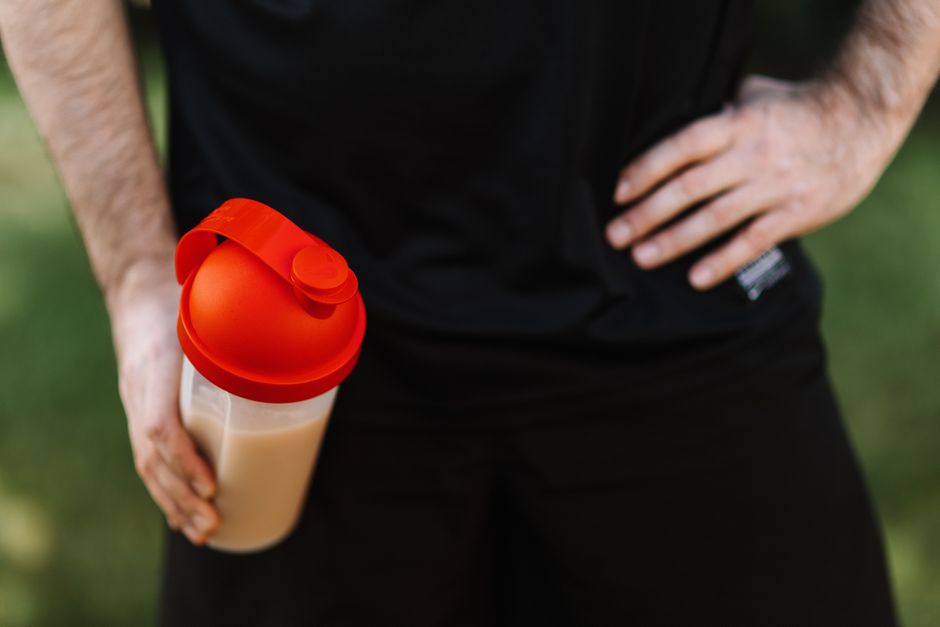
Protein is the body’s main building material. It makes up your muscles, organs, skin, hair, and the enzymes that drive nearly every chemical reaction in your cells. It also carries oxygen in your blood, supports your immune system, and helps regulate hormones.
Unlike fat and carbohydrates, your body does not keep a storage tank of protein to draw from. You need to supply it through food each day. When you eat protein, your body breaks it into amino acids and reassembles them into whatever it needs at that moment.
What Is Protein Good For Its Roles In The Body?
Protein performs more jobs than any other single nutrient. It builds tissue, runs chemical reactions, moves molecules around, and defends against infection.
Here is what protein actually does, in plain terms:
- Builds and repairs tissue. Muscle, bone, skin, hair, and nails are all made partly of protein. Your body constantly breaks down old tissue and replaces it, and protein supplies the raw material.
- Acts as enzymes. Enzymes are proteins that speed up digestion, energy production, and countless other reactions. Without them, your metabolism would slow to a crawl.
- Carries oxygen. Hemoglobin is a protein in red blood cells that picks up oxygen in your lungs and delivers it to every cell.
- Supports the immune system. Antibodies are proteins. They recognize and neutralize bacteria and viruses.
- Sends signals. Many hormones, including insulin, are proteins or are built from amino acids.
- Moves substances in and out of cells. Transport proteins ferry nutrients, ions, and other molecules across cell membranes.
- Provides a backup energy source. When calories are scarce, your body can break down protein for fuel. This is not its preferred role, but it happens.
How Does Protein Build and Repair Muscle?
Muscle tissue is in a constant state of turnover. Your body breaks down old muscle protein and builds new protein every day, whether you exercise or not.
When you lift weights or do other resistance training, you create small amounts of damage to muscle fibers. This triggers a repair response. Your body uses amino acids from the protein you eat to patch and rebuild those fibers, often making them slightly stronger than before.
This process requires two things: enough dietary protein and a training stimulus. Eating more protein without resistance exercise does not build significant muscle. Lifting weights without adequate protein limits how much muscle you can repair and grow.
Protein also matters for maintaining muscle during weight loss. When you eat fewer calories, your body may break down muscle for energy. Higher protein intake combined with resistance training helps preserve lean mass during that period.
Does Protein Help With Weight Management?
Protein tends to keep you full longer than fat or carbohydrates. That is one reason higher-protein diets are often studied for weight management.
Several mechanisms likely explain this. Protein takes longer to digest. It triggers the release of satiety hormones. It also requires more energy to metabolize than fat or carbohydrate — a concept called the thermic effect of food.
The evidence on protein and weight is mixed. Some studies suggest that higher protein intake helps people eat fewer calories overall and maintain weight loss better. Other studies show modest or no advantage once total calories are matched.
What the research does support: protein is more satiating per calorie than the other macronutrients. That effect is real and reasonably consistent. Whether it translates into meaningful long-term weight loss depends on many other factors, including total calorie intake and physical activity.


What Are the Building Blocks of Protein?
Protein is made of smaller units called amino acids. There are 20 amino acids your body uses to build proteins, and they fall into three groups.
Essential amino acids. Nine of the 20 cannot be made by your body. You must get them from food. These include histidine, isoleucine, leucine, lysine, methionine, phenylalanine, threonine, tryptophan, and valine.
Nonessential amino acids. Your body can make these on its own, so you do not strictly need them from food.
Conditional amino acids. These are normally nonessential, but your body may need more of them during illness, stress, or intense exercise.
A food is called a “complete protein” if it contains all nine essential amino acids in adequate amounts. Animal foods like meat, eggs, dairy, and fish are complete. Most plant foods are lower in one or more essential amino acids, but eating a variety of plant proteins across the day covers your needs. You do not need to combine specific foods at every meal.
Which Foods Are High in Protein?
Protein is found in both animal and plant foods, but the amounts and the accompanying nutrients vary widely.
| Food (approximate portion) | Protein (grams) |
|---|---|
| Chicken breast, 3 oz cooked | 26 |
| Lean beef, 3 oz cooked | 22 |
| Salmon, 3 oz cooked | 22 |
| Egg, 1 large | 6 |
| Greek yogurt, 6 oz plain | 17 |
| Milk, 1 cup | 8 |
| Lentils, 1 cup cooked | 18 |
| Black beans, 1 cup cooked | 15 |
| Tofu, 1/2 cup firm | 10 |
| Peanut butter, 2 tbsp | 7 |
| Quinoa, 1 cup cooked | 8 |
These values come from USDA nutritional data and reflect typical preparations. Actual protein content varies by cut, brand, and cooking method.
Animal proteins tend to deliver more protein per calorie and come with vitamin B12, heme iron, and zinc. Plant proteins bring fiber, folate, and phytonutrients. Both can fit into a healthy diet.
How Much Protein Do You Need?
The official Recommended Dietary Allowance for protein is 0.8 grams per kilogram of body weight per day for most adults. For a 150-pound adult, that is about 54 grams daily.
That number is set to prevent deficiency in mostly sedentary people. It is not necessarily the ideal amount for everyone.
People who exercise regularly, are recovering from illness or injury, or are over age 65 may benefit from more. Some research suggests that older adults need more protein than the standard RDA to help preserve muscle mass, because muscle protein synthesis becomes less efficient with age. The exact optimal amount is still debated.
Athletes and people doing intense resistance training often aim higher, though the precise figure depends on training load and goals. Some clinicians recommend 1.2 to 2.0 grams per kilogram per day for active adults, but this range is not a universal guideline and individual needs vary.
For people with kidney disease, protein intake may need to be restricted. That decision should come from a doctor or dietitian, not from general advice.
What Happens If You Do Not Get Enough Protein?
Protein deficiency is rare in the United States among people eating a typical diet. When it does occur, it usually reflects severe malnutrition, certain illnesses, or restricted eating patterns.
Signs of inadequate protein intake can include muscle loss, weakness, swelling in the legs and feet, slow wound healing, and a weakened immune response. In children, it can impair growth and development.
Milder shortfalls are more common than outright deficiency, especially in older adults. Losing muscle mass with age — called sarcopenia — is partly driven by not eating enough protein, along with reduced physical activity and other factors. This muscle loss can affect strength, balance, and independence.
Getting enough protein across the day, not just at dinner, may help. Some research suggests that spreading protein intake more evenly across meals supports muscle maintenance better than concentrating it in one meal, though the evidence is not entirely settled.
Frequently Asked Questions
What does protein do for the body?
Protein builds and repairs muscle, skin, and other tissues, acts as enzymes and hormones, carries oxygen in the blood, and supports the immune system. It is involved in nearly every process your body runs.
How much protein do I need each day?
The Recommended Dietary Allowance for most adults is 0.8 grams per kilogram of body weight. Active people, older adults, and those recovering from illness may need more, though the ideal amount for these groups is still debated.
Can you get enough protein from plant foods?
Yes. Eating a variety of beans, lentils, tofu, whole grains, nuts, and seeds across the day provides all nine essential amino acids. You do not need to combine specific plant foods at every meal.
Does eating more protein build muscle without exercise?
No. Muscle growth requires a training stimulus like resistance exercise. Extra protein without that stimulus does not build significant muscle, though it still supports other body functions.
