
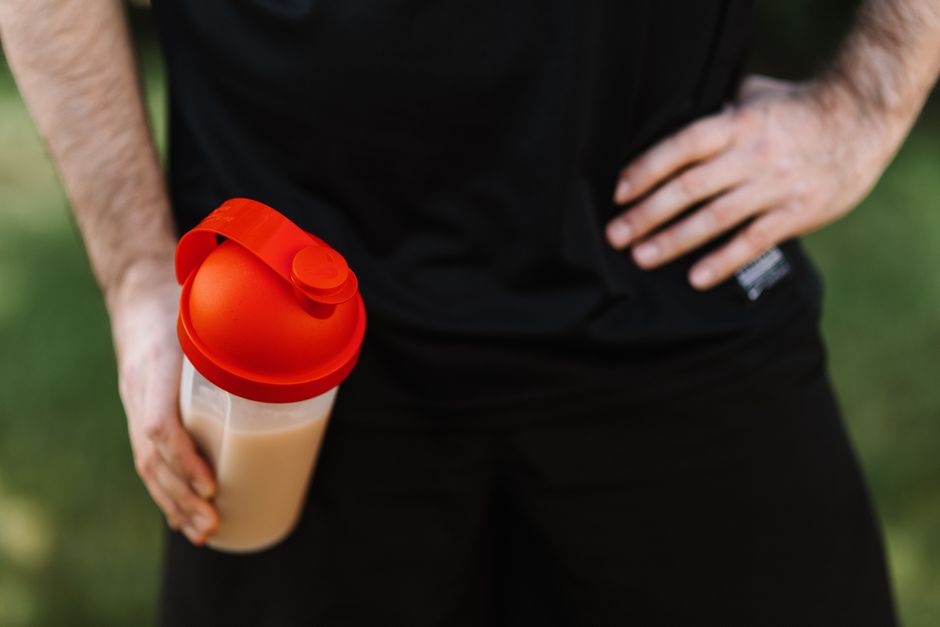
Protein is a daily necessity, but the exact amount you need is one of the most debated topics in nutrition. For most healthy adults, a practical target is 0.7 to 1 gram of protein per pound of body weight per day. This range supports muscle maintenance, recovery, and general health for the average person. If you are actively building muscle or training intensely, aiming for the higher end of that range is reasonable.
What Do The Official Guidelines Say?
The official Recommended Dietary Allowance (RDA) for protein is much lower than what most fitness sources suggest. The RDA is set at 0.36 grams per pound of body weight per day. For a 150-pound person, that equals about 54 grams of protein daily.
This number is not a target for optimal health. It is the minimum amount required to prevent deficiency in nearly all healthy adults. It keeps your body from breaking down its own muscle tissue to meet basic needs. It does not account for athletic performance, muscle growth, or the needs of older adults.
Most nutrition experts agree that the RDA is too low for active people. The broader scientific consensus for general health and activity falls between 0.5 and 0.7 grams per pound. Athletes and those doing heavy resistance training often need more.
How Much Protein A Day Per Pound Of Body Weight For Muscle Growth?
If your goal is building muscle, research consistently supports a higher protein intake. Studies on resistance-trained individuals typically recommend 0.7 to 1 gram of protein per pound of body weight daily. For a 180-pound person, that is 126 to 180 grams per day.
The upper end of this range matters most during a calorie deficit. When you eat fewer calories than you burn, your body is more likely to break down muscle. Higher protein intake helps preserve lean mass during weight loss. In a calorie surplus, the lower end of the range is often sufficient for muscle gain.
Eating more than 1 gram per pound does not appear to provide additional muscle-building benefits. Some research suggests that very high intakes are simply excreted or stored as fat. The extra protein does not automatically translate into more muscle.
Does Your Weight Or Your Lean Mass Matter More?
Using total body weight is simple, but it is not always the most accurate method. A person with high body fat has different protein needs than a lean athlete of the same weight. Fat tissue requires very little protein to maintain. Muscle tissue requires much more.
A more precise approach is to base protein intake on lean body mass. This is your total weight minus your body fat. For example, a 200-pound person with 25% body fat has 150 pounds of lean mass. Their protein needs would be based on that 150-pound figure.
In practice, most people do not know their exact body fat percentage. Using total body weight with the 0.7 to 1 gram range works well enough for most people. It naturally gives heavier individuals more protein, which is appropriate because they typically have more muscle mass to support.




Protein Needs Change With Age
Older adults need more protein than younger adults. Age-related muscle loss, called sarcopenia, begins around age 30 and accelerates after 60. Higher protein intake helps slow this process.
Research suggests adults over 65 should aim for the higher end of the protein range. A target of 0.8 to 1 gram per pound of body weight is commonly recommended for this group. This higher intake helps preserve strength, mobility, and independence.
Older adults also need to pay attention to protein distribution across meals. Eating a moderate amount of protein at each meal is more effective than eating most of it at dinner. Spreading intake across three to four meals supports better muscle protein synthesis throughout the day.
What About Protein For Weight Loss?
Protein is the most satiating macronutrient. It keeps you feeling full longer than carbohydrates or fat. This makes higher protein intake genuinely useful for weight management.
During weight loss, a higher protein intake protects lean muscle mass. When you create a calorie deficit, your body loses both fat and muscle. Adequate protein helps minimize the muscle loss.
For weight loss, the research supports 0.8 to 1 gram per pound of body weight. This is higher than the general recommendation because the calorie deficit increases the body’s protein needs. For a 200-pound person, that means 160 to 200 grams per day.
Some popular diets recommend even higher amounts, such as 1.2 grams per pound. This may be safe for healthy individuals, but it is not necessary for most people. It can also be difficult to achieve without relying heavily on protein supplements.
How Much Protein Can Your Body Absorb At Once?
A common myth claims your body can only absorb 20 to 30 grams of protein per meal. This is not accurate. Your body can digest and absorb much larger amounts at one time.
Research shows that consuming 40 grams or more of protein in a single meal still results in significant muscle protein synthesis. The idea of a hard limit comes from early studies that only tested small doses. Larger meals simply take longer to digest.
The real issue is not absorption. It is the rate at which your body uses protein for muscle building. There appears to be a ceiling effect where additional protein beyond a certain point does not further stimulate muscle growth. The excess is used for energy or other bodily functions.
What Does This Mean In Real Food?
Translating protein targets into food is the practical challenge. Here is what common portions provide:
- A 3-ounce chicken breast: about 26 grams
- A 3-ounce salmon fillet: about 22 grams
- One large egg: about 6 grams
- One cup of Greek yogurt: about 20 grams
- One cup of cooked lentils: about 18 grams
- One scoop of whey protein powder: about 25 grams
A 160-pound person aiming for 0.8 grams per pound needs about 128 grams daily. That could look like three meals with roughly 35 to 45 grams each. This is achievable with whole foods, including animal and plant sources.
Plant proteins are slightly less digestible than animal proteins. If you follow a vegan or vegetarian diet, aim for the higher end of your protein range. This compensates for the lower digestibility of some plant sources.
Are High Protein Diets Safe?
For healthy individuals, high protein diets are generally safe. The concern that high protein damages kidneys comes from studies of people with existing kidney disease. Healthy kidneys adapt to higher protein intake without issues.
People with chronic kidney disease need to limit protein. If you have kidney problems, work with your doctor to determine the right amount for you. Do not follow general protein guidelines if you have this condition.
High protein diets can cause mild dehydration because your body uses extra water to process nitrogen from protein. Drinking adequate water helps. This is rarely a problem for people who maintain normal hydration habits.
Frequently Asked Questions
Is 1 gram of protein per pound of body weight too much?
For most healthy adults, 1 gram per pound is safe but likely more than needed. The research supports 0.7 to 0.8 grams per pound for most people, with higher amounts only during weight loss or intense training.
How many grams of protein do I need a day by weight?
Multiply your body weight in pounds by 0.7 to 1 gram. A 150-pound person needs 105 to 150 grams daily, depending on activity level and goals.
Can I eat all my daily protein in one meal?
Your body can digest a large protein meal, but spreading intake across the day is more effective. Multiple meals of 30 to 50 grams each support better muscle maintenance than one massive meal.
Do I need protein powder to hit my target?
No, whole foods can meet your protein needs. Protein powder is a convenient supplement, but chicken, fish, eggs, dairy, beans, and legumes work just as well.
