
Protein is essential for building and repairing muscle, supporting immune function, and keeping you full between meals. The highest protein foods are primarily animal products like chicken breast, lean beef, fish, eggs, and Greek yogurt, but several plant-based options like lentils, chickpeas, and tofu also deliver substantial amounts. These foods provide the building blocks your body needs, and their nutritional impact goes far beyond just muscle growth, influencing everything from bone health to weight management.
What Are The Highest Protein Foods by Serving Size?
When ranking protein foods, it helps to look at grams of protein per serving. Animal proteins generally top the list because they are “complete” proteins, meaning they contain all nine essential amino acids your body cannot make on its own.
Chicken breast is a standard benchmark. A 3-ounce cooked serving delivers about 26 grams of protein with very little fat. Lean beef is similar, offering roughly 22-26 grams per 3-ounce serving, depending on the cut. Fish like salmon and tuna provide about 22-25 grams per serving, with the added benefit of omega-3 fatty acids.
Eggs are a budget-friendly option. One large egg contains 6 grams of protein. If you eat three eggs, that is 18 grams. Greek yogurt is another standout, with a single 6-ounce container providing 15-20 grams of protein, significantly more than regular yogurt.
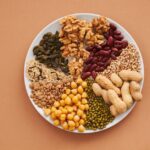
For plant-based eaters, the numbers are different but still meaningful. Cooked lentils deliver about 18 grams of protein per cup. Chickpeas and black beans offer roughly 15 grams per cooked cup. Tofu provides about 10 grams per half-cup serving. These foods are incomplete proteins, but eating a variety of plant proteins throughout the day covers your amino acid needs.
How Does Animal Protein Compare to Plant Protein?
The main difference between animal and plant protein is the amino acid profile. Animal proteins contain all essential amino acids in the right proportions. Most plant proteins are low in one or more essential amino acids, typically methionine or lysine.
This does not make plant protein inferior. The idea that you must combine specific foods at the same meal, like rice and beans, has been largely disproven. Research shows your body pools amino acids from foods eaten over the course of a day. As long as you eat a varied plant-based diet, you get enough of each essential amino acid.
Protein quality also affects how well your body uses it. The Digestible Indispensable Amino Acid Score (DIAAS) is the modern standard for measuring protein quality. Animal proteins score higher because they are more digestible and have a better amino acid balance. Soy protein is the plant exception, scoring nearly as high as animal protein.
There is also a difference in what comes along with the protein. Red meat provides iron, zinc, and vitamin B12, but can be high in saturated fat. Fatty fish provides omega-3s. Beans provide fiber, which animal foods lack entirely. The best approach for most people is a mix of both sources.
What Is the Nutritional Impact of High-Protein Foods?
Protein’s most recognized role is muscle maintenance and growth. When you eat protein, your body breaks it down into amino acids that are used to repair muscle tissue damaged during exercise. Without adequate protein, your body cannot build new muscle, no matter how hard you train.
Protein also has a significant effect on appetite. It is the most satiating macronutrient, meaning it keeps you feeling full longer than carbohydrates or fat. This happens through several mechanisms, including the release of appetite-suppressing hormones like peptide YY and GLP-1. For people trying to manage their weight, this is a practical advantage.
The thermic effect of food is another factor. Your body burns more calories digesting protein than it does digesting carbs or fat. Roughly 20-30% of the calories in protein are used just to process it, compared to 5-10% for carbs and 0-3% for fat. This is not a license to eat unlimited protein, but it does give protein a slight metabolic edge.
Protein is also critical for bone health. About one-third of bone mass is protein. Studies consistently show that adequate protein intake, combined with calcium and vitamin D, supports bone density and reduces fracture risk in older adults. The old belief that high protein intake leaches calcium from bones has been disproven by newer research.

How Much Protein Do You Actually Need?
The Recommended Dietary Allowance (RDA) for protein is 0.8 grams per kilogram of body weight per day. For a 150-pound person, that is about 54 grams daily. This number is the minimum needed to prevent deficiency, not the optimal amount for health or performance.
Most nutrition experts recommend higher intakes for specific goals. For general health and maintaining muscle as you age, 1.2 to 1.6 grams per kilogram is often suggested. For athletes or people doing heavy resistance training, 1.6 to 2.2 grams per kilogram is common. For a 150-pound person, that range works out to roughly 82 to 150 grams per day.
Spreading protein across meals matters more than most people realize. Eating 25-30 grams of protein per meal stimulates muscle protein synthesis more effectively than eating all your protein in one large dinner. This is because there is a ceiling on how much protein your body can use at one time for muscle building, generally around 25-35 grams per meal.
Older adults need more protein than younger people. Age-related muscle loss, called sarcopenia, begins around age 30 and accelerates after 60. Research suggests older adults benefit from 1.2 to 1.5 grams per kilogram daily to slow this process. Many older adults eat far less, especially if they skip breakfast or eat a light lunch.
What Are the Best High-Protein Foods for Weight Loss?
If weight loss is your goal, protein density matters. You want foods that deliver a lot of protein for relatively few calories. Chicken breast, turkey breast, white fish, and egg whites are the most protein-dense options available.
Greek yogurt and cottage cheese are excellent choices because they combine high protein with moderate calories. A 6-ounce serving of nonfat Greek yogurt has about 100 calories and 17 grams of protein. Cottage cheese is similar, with roughly 90 calories and 12 grams of protein per half-cup.
Beans and lentils are also effective for weight loss, though they contain more carbohydrates than animal proteins. Their high fiber content slows digestion and extends fullness. One study found that people who ate a legume-rich diet lost more weight than those on a comparable diet without legumes.
Processed protein sources like protein bars and shakes can fit into a weight loss plan, but whole foods are generally better. They provide more micronutrients and are more satiating. If you use supplements, treat them as supplements, not meal replacements.
Can You Eat Too Much Protein?
For healthy people, high protein intake is remarkably safe. The body adapts to higher protein loads by increasing the rate at which it breaks down and excretes nitrogen, the waste product of protein metabolism. This is why the long-standing fear that high protein damages kidneys is largely unfounded for people with healthy kidneys.
The concern is real for people with pre-existing kidney disease. Damaged kidneys have a harder time clearing nitrogen waste, and high protein intake can accelerate decline. If you have chronic kidney disease, your doctor will likely recommend a specific protein target, usually lower than the general recommendation.
There is also a practical limit to how much protein your body can use. Excess protein beyond what your body needs for maintenance, repair, and muscle building is converted to glucose or stored as fat. Eating 300 grams of protein daily is not better than eating 150 grams; it just adds extra calories.
Some people experience digestive discomfort with sudden increases in protein, especially from beans and legumes. This usually resolves as your digestive system adapts. Increasing water intake helps because protein metabolism requires more fluids.
How to Add More High-Protein Foods to Your Diet
Start with breakfast. Most people eat low-protein breakfasts like cereal, toast, or pastries. Swapping to eggs, Greek yogurt, or a protein smoothie adds 20-30 grams before your day even starts.
Make protein the centerpiece of each meal rather than an afterthought. Build your plate around a protein source first, then add vegetables and starches around it. This simple ordering change increases protein intake without requiring you to count grams.
Keep high-protein snacks available. Hard-boiled eggs, string cheese, edamame, roasted chickpeas, and jerky are portable options that do not require refrigeration. Having these on hand reduces the chance of reaching for low-protein processed snacks.
If you use protein powder, choose one with minimal added sugar. Whey, casein, and soy protein are all complete proteins with strong evidence behind them. Plant-based blends that combine pea and rice protein are also effective, though they may be slightly less digestible.
Frequently Asked Questions
What single food has the most protein?
Chicken breast is generally considered the highest protein food per serving, with about 26 grams per 3-ounce cooked portion. Some seafood options like tuna and salmon are comparable, and dried fish and certain protein powders can exceed this per weight.
Is it better to get protein from food or supplements?
Whole foods are better because they provide protein along with other nutrients like iron, zinc, and B vitamins. Supplements are convenient but should not replace whole food sources as your primary protein intake.
Can you build muscle with plant protein alone?
Yes, you can build muscle with plant protein if you eat enough total protein and a variety of sources. Soy is the most effective plant protein for muscle building, and combining different plant foods covers all essential amino acids.
Does eating protein before bed help with muscle growth?
Yes, eating protein before sleep provides amino acids to your muscles during the overnight fasting period. Research shows that consuming about 30-40 grams of casein protein before bed enhances overnight muscle protein synthesis.
