
Protein is the most versatile nutrient in your diet. It builds muscle, forms hormones, makes enzymes, and supports your immune system. Every cell in your body contains protein, and you need a steady supply from food to keep those cells working properly. When you eat protein, your body breaks it down into amino acids and uses them for repair, growth, and countless daily functions.
What Does Protein Actually Do in Your Body?
Protein is not just for gym-goers. It is a structural component of every tissue in your body. Your hair, skin, nails, bones, and internal organs all rely on protein for their basic structure.
Beyond structure, protein performs several specific jobs. It transports oxygen through your blood. It helps clot blood when you get a cut. It regulates fluid balance between your cells and bloodstream. Antibodies that fight infections are proteins. So are most enzymes that drive chemical reactions in your body.
Hormones like insulin are protein-based too. Insulin controls blood sugar. Growth hormone, which matters for tissue repair, is also a protein. When you do not get enough dietary protein, these systems all feel the effects.
How Much Protein Does Your Body Need Daily?
The standard recommendation for healthy adults is 0.8 grams of protein per kilogram of body weight per day. For a 150-pound person, that works out to about 55 grams daily. This amount prevents deficiency in most people.
But this baseline may not be enough for everyone. Older adults, people recovering from illness or surgery, and those who exercise regularly often need more. Some research suggests that adults over 60 benefit from higher intake, around 1.0 to 1.2 grams per kilogram, to help preserve muscle mass.
Pregnant women also need more protein. The body uses extra protein to build fetal tissue, the placenta, and increased blood volume. No single number fits every person. Your age, activity level, health status, and goals all influence your needs.
What Effect Does Dietary Protein Have On The Body’s Muscle Mass?
Protein provides the building blocks for muscle tissue. When you eat protein, your body breaks it into amino acids. These amino acids stimulate a process called muscle protein synthesis — the creation of new muscle protein.
Without adequate dietary protein, your body cannot maintain muscle mass. This becomes more important as you age. Starting around age 30, adults naturally lose muscle mass at a slow rate. This process, called sarcopenia, accelerates after age 60. Higher protein intake combined with resistance exercise is the most reliable way to slow this loss.
One important detail: your body cannot store protein the way it stores fat or carbohydrates. Any excess amino acids are converted to energy or excreted. This means you need regular intake throughout the day, not just one large protein-heavy meal.
Research consistently shows that spreading protein across meals — roughly 20 to 40 grams per meal for most adults — supports muscle maintenance better than eating most of your protein at dinner.




Can Protein Help With Weight Management?
Protein affects appetite in ways that other nutrients do not. It increases feelings of fullness more than carbohydrates or fat. This happens through several mechanisms, including the release of appetite-regulating hormones like GLP-1 and peptide YY.
Protein also has a higher thermic effect than other macronutrients. Your body burns more calories digesting protein than it does digesting carbs or fat. This effect is real but modest — it does not replace the need for a calorie deficit if weight loss is your goal.
Studies have found that high-protein diets help preserve lean body mass during weight loss. When you lose weight, you typically lose both fat and muscle. Higher protein intake helps tip that balance toward fat loss while protecting muscle.
The evidence for protein’s role in weight management is solid, but it is not magic. Protein does not override total calorie intake. A high-protein diet still requires sensible portions and overall energy balance.
Does Protein Affect Your Bones and Kidneys?
Older advice warned that high protein intake harms bones and kidneys. Current evidence tells a more nuanced story.
Dietary protein actually supports bone health. Bones are about one-third protein by weight. The protein matrix provides the framework where calcium and other minerals deposit. Some research suggests that adequate protein intake, combined with adequate calcium and vitamin D, helps maintain bone density in older adults.
The kidney concern comes from an older belief that protein “overworks” the kidneys. In people with healthy kidneys, current evidence does not show that normal to moderately high protein intake causes kidney damage. The kidneys adapt to handle the extra nitrogen load from protein metabolism.
However, people with existing chronic kidney disease do need to limit protein. Their kidneys cannot clear nitrogen waste effectively. If you have kidney disease, follow your doctor’s specific protein recommendations. This restriction does not apply to healthy people.
What Happens When You Eat Too Little Protein?
Protein deficiency is uncommon in the United States, but it does happen. The most obvious sign is muscle wasting. Without enough amino acids, your body breaks down muscle tissue to get what it needs.
Other signs include hair thinning, brittle nails, dry skin, and slower wound healing. You may feel fatigued because protein helps carry oxygen in your blood. A weakened immune system makes you more susceptible to infections.
Severe deficiency causes a condition called kwashiorkor, marked by fluid retention and a swollen belly. This is rare in developed countries but can occur in people with severe eating disorders, very restrictive diets, or malabsorption conditions.
Most Americans eat more than enough protein. The concern is more often distribution — eating most protein at one meal — rather than total deficiency.
Are Animal and Plant Proteins Different?
Yes, and the difference matters. Animal proteins — meat, eggs, dairy, fish — are called complete proteins. They contain all nine essential amino acids your body cannot make on its own.
Most plant proteins are incomplete. They lack one or more essential amino acids. Soy and quinoa are exceptions; they are complete plant proteins. Other plant sources like beans, rice, and nuts can be combined to cover all essential amino acids across the day.
This does not make plant protein inferior. It just requires more planning. A varied plant-based diet can easily meet protein needs. The key is eating different plant protein sources throughout the day rather than relying on a single food.
One practical difference: plant proteins are often accompanied by fiber and beneficial plant compounds, while animal proteins provide vitamin B12 and heme iron. Both can fit into a healthy diet.
Should You Use Protein Supplements?
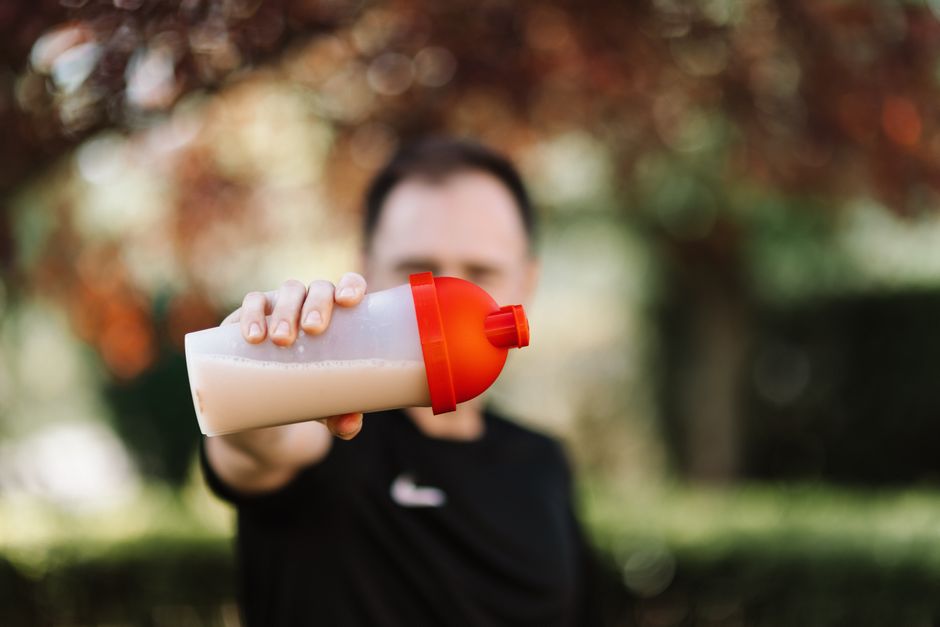
Protein powders and shakes are convenient but not necessary for most people. Whole foods provide protein along with other nutrients that supplements lack. A chicken breast gives you B vitamins, zinc, and iron alongside its protein.
Supplements make sense in specific situations. Older adults who struggle to chew meat, people recovering from surgery, athletes with very high protein needs, and those with poor appetite may benefit from a protein shake. In these cases, a supplement can help close the gap between intake and need.
If you choose a protein powder, check the label for added sugars and artificial ingredients. Whey, casein, soy, and pea protein all have solid evidence behind them. None is meaningfully superior for general health purposes.
No supplement replaces whole food. Protein powder is a tool, not a requirement.
Frequently Asked Questions
Can eating too much protein be harmful?
For healthy people, moderately high protein intake is not linked to harm. People with kidney disease should follow their doctor’s protein limits.
Is it better to eat protein before or after exercise?
Both matter, but total daily intake matters most. Eating protein within a few hours after exercise supports muscle repair, while consistent intake across the day builds the foundation.
Do I need protein supplements to build muscle?
No. Whole foods like meat, eggs, dairy, beans, and fish can fully meet your protein needs. Supplements are convenience tools, not requirements.
How can I tell if I’m getting enough protein?
Consistent muscle weakness, hair thinning, and slow wound healing can signal low protein intake. Tracking your food for a few days against the 0.8 grams per kilogram guideline gives you a clearer answer.
