
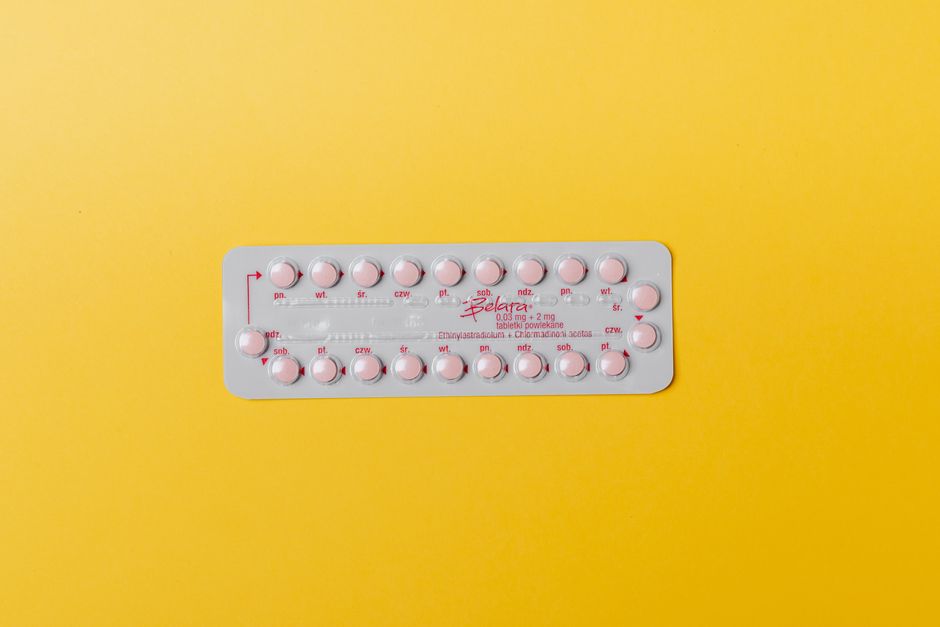
Progesterone is the hormone that prepares the uterus for pregnancy and maintains it once an embryo implants. In IVF, progesterone is used to support the uterine lining after embryo transfer, making it receptive enough for implantation to occur. Without adequate progesterone, the body may not sustain a pregnancy even when a healthy embryo is transferred. This is why nearly every IVF patient receives some form of progesterone support after their transfer.
Why Is Progesterone Necessary After Embryo Transfer?
The natural menstrual cycle involves the ovaries releasing an egg, which then forms a structure called the corpus luteum. The corpus luteum produces progesterone to thicken the uterine lining and keep it stable. In IVF, the process of egg retrieval disrupts this natural cycle.
When eggs are retrieved, the cells that normally become the corpus luteum are removed along with them. This means the body cannot produce enough progesterone on its own during the critical window after embryo transfer. Research published in the journal Human Reproduction Update confirms that progesterone supplementation significantly increases implantation rates in IVF cycles.
The timing matters just as much as the dose. Progesterone levels must be sufficient during the “window of implantation,” which typically starts about five days after the start of progesterone exposure. If levels drop too early, the uterine lining may shed before an embryo can attach.
What Forms of Progesterone Are Used in IVF?
There are three main delivery methods for progesterone in IVF. Each has different absorption rates, side effects, and levels of patient comfort. The choice often depends on clinic preference and individual patient factors.
| Form | How It Is Given | Common Side Effects |
|---|---|---|
| Intramuscular injection | Oil-based shot into the muscle, usually daily | Pain at injection site, swelling, risk of sterile abscess |
| Vaginal suppository or gel | Inserted into the vagina once or twice daily | Vaginal irritation, discharge, mild cramping |
| Oral pill | Swallowed daily | Drowsiness, dizziness, nausea, lower absorption rates |
Oral progesterone is rarely used in IVF because the liver breaks down most of it before it reaches the bloodstream. Studies show that both intramuscular injections and vaginal preparations achieve adequate uterine lining support, though injection levels tend to be more consistent. The CDC has noted that vaginal progesterone is now the most common form prescribed in US fertility clinics.
When Does Progesterone Start and How Long Is It Used?
Progesterone supplementation typically begins the day after egg retrieval or a few days before embryo transfer. The exact start date depends on whether the transfer is fresh or frozen, and whether the cycle uses a natural or medicated protocol.
For fresh embryo transfers, progesterone starts immediately after retrieval and continues until the pregnancy test. For frozen embryo transfers in a medicated cycle, progesterone often begins about five days before the scheduled transfer. In natural frozen cycles, the body produces its own progesterone from ovulation, so supplementation may be lower or sometimes unnecessary.
If the pregnancy test is positive, progesterone use continues until the placenta takes over production, which usually happens around 8 to 10 weeks of pregnancy. Most clinics recommend stopping between 10 and 12 weeks. Some patients stop earlier if their own progesterone levels are adequate, though this should always be guided by blood tests.
There is no strong evidence that continuing progesterone beyond 12 weeks provides any benefit. A 2020 study in Fertility and Sterility found no difference in miscarriage rates between patients who stopped at 10 weeks and those who continued to 12 weeks.





What Are the Side Effects of Progesterone in IVF?
Progesterone side effects vary by delivery method, but some are common across all forms. Fatigue is one of the most reported complaints. Many patients describe feeling unusually tired, especially in the first week of use.
Bloating and breast tenderness are also common. These symptoms mimic early pregnancy, which can be confusing and emotionally difficult for patients waiting for test results. Mood changes, including irritability or low mood, are reported by some patients but not all.
Intramuscular injections carry specific risks including injection site pain, redness, and in rare cases, sterile abscesses that require medical drainage. Vaginal preparations can cause discharge that some patients find bothersome, but they avoid the pain of daily shots.
Oral progesterone is associated with more systemic side effects like dizziness and drowsiness because it is absorbed through the digestive system. The American Society for Reproductive Medicine advises that oral progesterone is not the first choice for IVF due to lower effectiveness, but it may be used in combination with other forms.
What Does Research on Progesterone in IVF Show?
Multiple large studies confirm that progesterone supplementation improves live birth rates in IVF. A 2018 Cochrane review analyzed 33 randomized trials and found that progesterone support after embryo transfer significantly increased pregnancy rates compared to no support or placebo.
The same review found no clear winner between vaginal and intramuscular progesterone in terms of pregnancy outcomes. Both work. The choice often comes down to patient preference and tolerability. Some clinics have shifted toward vaginal use because it avoids daily needles and has fewer serious side effects.
Research also shows that progesterone levels can be measured in the blood, though routine monitoring is not standard in all clinics. A 2021 study in Reproductive BioMedicine Online found that patients with serum progesterone levels below a certain threshold on the day of embryo transfer had lower implantation rates. Some clinics now adjust doses based on these levels, though this practice is not yet universal.
There is no strong evidence that adding estrogen to progesterone improves outcomes in most patients. The endometrium responds to both hormones, but progesterone alone appears sufficient for luteal phase support in most cycles.
What Are Common Misconceptions About Progesterone in IVF?
One widespread myth is that progesterone injections are painful because the needle is large. The needle is actually smaller than many people expect. The discomfort comes more from the oil-based solution being injected into muscle, which can cause soreness afterward, not from the needle itself.
Another misconception is that more progesterone is always better. Progesterone levels above a certain threshold do not improve outcomes and may increase side effects. The goal is adequate support, not maximum dosing.
Some patients believe that progesterone prevents miscarriage entirely. Progesterone supports the uterine lining but does not correct chromosomal abnormalities in embryos, which are the most common cause of early miscarriage. A 2019 study in The New England Journal of Medicine found that progesterone did not reduce miscarriage rates in women with recurrent early pregnancy loss who were not undergoing IVF.
A third myth is that you can stop progesterone as soon as you get a positive pregnancy test. The placenta does not produce enough progesterone on its own until around 8 weeks. Stopping early can cause the uterine lining to shed, leading to pregnancy loss.
Frequently Asked Questions
How is progesterone given during IVF?
Progesterone is given as an intramuscular injection, a vaginal suppository or gel, or rarely as an oral pill. The form depends on your clinic’s protocol and your personal preference.
Can I take progesterone orally for IVF?
Oral progesterone is not recommended as the sole form of support because the liver breaks it down before it reaches the uterus effectively. Most clinics use injections or vaginal forms instead.
When can I stop taking progesterone after a positive pregnancy test?
Most patients stop between 10 and 12 weeks of pregnancy, once the placenta has taken over progesterone production. Your doctor will confirm this with blood tests.
Does progesterone cause weight gain during IVF?
Progesterone can cause fluid retention and bloating, which may show as temporary weight gain. This is not true fat gain and usually resolves after stopping the medication.
