
What Does Iron Actually Do in the Body?
Iron is a core part of hemoglobin, a protein in red blood cells. Hemoglobin grabs oxygen in your lungs and releases it in your tissues. Think of iron as the lock that holds oxygen in place during the trip. Without iron, hemoglobin cannot form correctly. The CDC reports that about 10% of women in the United States are iron deficient. That number jumps higher for pregnant women and people with heavy menstrual bleeding.
Iron also helps with energy production at the cellular level. It is a component of enzymes involved in making ATP, which is your body’s main fuel source. Some studies suggest iron plays a role in immune function, helping white blood cells kill bacteria. The brain also needs iron for neurotransmitter production. Low iron levels have been linked to poor concentration and memory issues, though research is still exploring how strong that link is.
How Much Iron Do You Actually Need?
Your iron needs depend on your age, sex, and life stage. The National Institutes of Health (NIH) provides clear daily recommendations. Adult men and postmenopausal women need about 8 milligrams per day. Premenopausal women need 18 milligrams per day because they lose blood monthly. Pregnant women need 27 milligrams per day to support the growing baby and increased blood volume.
Most people can meet these needs through diet alone. Red meat, poultry, and fish contain heme iron, which your body absorbs easily. Plant foods like spinach, beans, lentils, and fortified cereals contain non-heme iron, which is harder to absorb. Vitamin C helps your body absorb non-heme iron. Eating a handful of strawberries or squeezing lemon juice over spinach can double or triple the iron you absorb from that meal.
What Are the Signs of Iron Deficiency?
Iron deficiency develops slowly. Early stages often have no symptoms at all. As levels drop further, the most common sign is fatigue that does not go away with rest. You might feel like you are dragging through the day, even after a full night of sleep. Other symptoms include pale skin, brittle nails, cold hands and feet, and a rapid heartbeat during light activity.
More specific signs include pica, which is a craving for non-food items like ice, dirt, or clay. Research published in the journal Appetite found that ice chewing is one of the most common pica symptoms in people with low iron. Restless legs syndrome is also linked to iron deficiency. Some studies suggest that up to 25% of people with restless legs have low iron stores in their brain. If you notice these symptoms, a simple blood test measuring ferritin levels can tell you if your iron stores are low.



Can You Take Too Much Iron?
Yes, and this is a serious concern. Iron is not like vitamin C, where you pee out the excess. Your body has no efficient way to remove extra iron. Excess iron builds up in organs like the liver, heart, and pancreas, causing damage over time. This condition is called hemochromatosis. According to the American College of Gastroenterology, about 1 in 200 people of Northern European descent carry the genetic mutation that causes it.
Symptoms of iron overload include joint pain, abdominal pain, fatigue, and bronze or gray skin color. In severe cases, it can lead to liver cirrhosis, diabetes, and heart failure. The danger is that symptoms often do not appear until decades of damage have already occurred. For this reason, never take iron supplements unless a blood test shows you are deficient. The NIH warns that iron supplements are the leading cause of poisoning deaths in children under six. Keep all iron supplements in childproof containers and out of reach.
What Is the Best Way to Get More Iron?
Food first is the safest approach. Here is a quick comparison of iron sources and their absorption rates:
| Food Source | Type of Iron | Approximate Absorption Rate |
|---|---|---|
| Beef liver (3 oz) | Heme | 25-30% |
| Chicken breast (3 oz) | Heme | 15-20% |
| Spinach (1 cup cooked) | Non-heme | 2-5% |
| Lentils (1 cup cooked) | Non-heme | 2-5% |
| Fortified cereal (1 serving) | Non-heme | 1-3% |
If you eat plant-based, pair non-heme iron with vitamin C. A squeeze of lemon on lentils or a side of bell peppers with spinach can boost absorption significantly. Avoid drinking coffee or tea with meals. Tannins in both beverages bind to iron and reduce absorption by up to 60%. Wait at least one hour after eating before having your morning coffee.
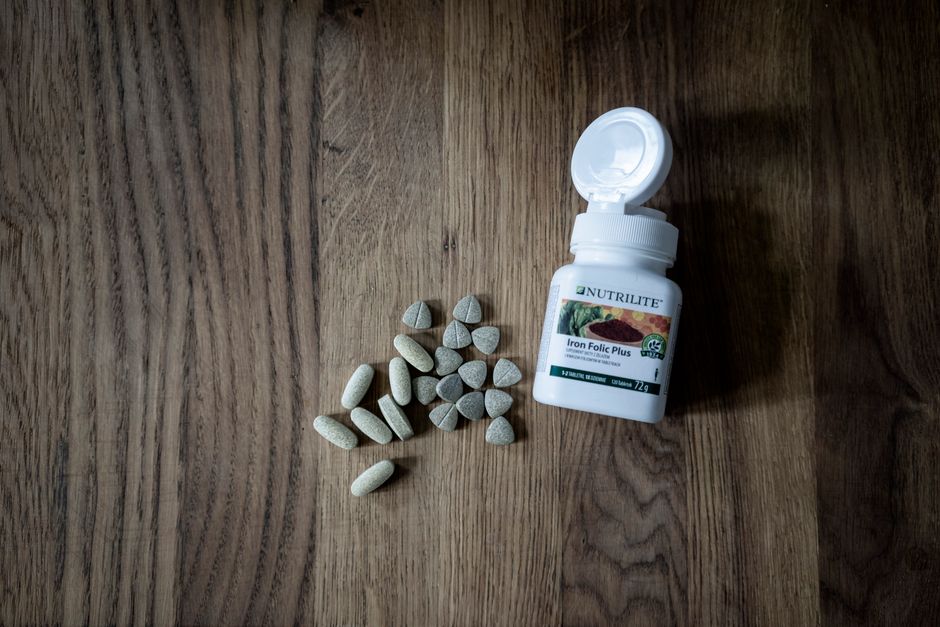
If you are diagnosed with iron deficiency, your doctor will recommend a specific dose. Common forms include ferrous sulfate, ferrous gluconate, and ferrous fumarate. Ferrous sulfate is the most studied and cheapest option. Taking it on an empty stomach improves absorption but can cause nausea. Taking it with a small amount of food reduces side effects but lowers absorption. Vitamin C taken at the same time can help. Do not take iron with calcium supplements, antacids, or dairy products, as calcium blocks iron absorption.
Common Misconceptions About Iron
A widespread myth is that “more iron is always better.” It is not. Your body tightly regulates iron levels. Taking extra when you do not need it does not give you more energy. It only increases your risk of toxicity. Another myth is that all iron supplements are the same. They are not. Slow-release or “gentle” iron formulas often contain less absorbable forms. Research in the journal Nutrients found that slow-release formulations reduce iron absorption by about 30% compared to standard ferrous sulfate.
Some people believe that eating spinach is enough to fix iron deficiency. A cup of cooked spinach has about 6 milligrams of iron. But because it is non-heme and contains oxalates that block absorption, your body may only absorb 0.2 to 0.3 milligrams from that cup. You would need to eat several cups daily with vitamin C to make a real dent in deficiency. That is possible but impractical for most people. Food helps maintain levels. Supplements treat deficiency.
Frequently Asked Questions
What foods are highest in iron?
Beef liver, oysters, and fortified cereals have the highest iron content per serving. Red meat, poultry, beans, lentils, and spinach are also good sources.
Can low iron cause hair loss?
Some research links iron deficiency to hair thinning, though the evidence is not conclusive. If you have unexplained hair loss, a ferritin blood test is worth discussing with your doctor.
How long does it take to fix iron deficiency with supplements?
Most people see improved energy within one to two weeks, but it takes three to six months to fully replenish iron stores. Always finish the full course your doctor prescribes.
Is it safe to take iron every day?
Only if a blood test confirms you are deficient. Taking daily iron without a deficiency can lead to toxic buildup over time. Follow your doctor’s guidance on dosing and duration.
