
How Is Donated Plasma Processed Into Medications?
Once your plasma is collected, it is frozen and shipped to a specialized manufacturing plant. This process is called fractionation. During fractionation, the plasma is thawed and separated into its different protein components. The most important of these components are immunoglobulins (antibodies), clotting factors, and albumin.
These extracted proteins are then purified, treated to kill viruses, and formulated into injectable medications. The entire process takes several months. This is why the phrase “blood transfusion” does not apply to plasma donation. You are not giving a product that is used immediately; you are giving a raw material that becomes a prescription drug. Some of these medications are used in hospital settings, but many are self-administered by patients at home, allowing them to manage chronic conditions independently.
What Conditions Are Treated With Plasma-Derived Medications?
The primary use of donated plasma is to create therapies for people whose bodies cannot produce specific proteins on their own. The most well-known of these conditions is primary immunodeficiency. People with this condition lack functional antibodies, leaving them vulnerable to frequent and severe infections. They require regular infusions of immunoglobulin, derived from the pooled plasma of thousands of donors, to maintain a functional immune system.
Plasma is also the only treatment for hemophilia. People with hemophilia lack a specific clotting factor, such as Factor VIII or Factor IX. Plasma-derived clotting factor concentrates allow them to stop bleeding episodes and prevent joint damage. Additionally, plasma-derived albumin is used to restore blood volume in patients with severe burns, liver failure, or during major surgery. These are not experimental uses; they are standard, established medical treatments that have been used for decades.
Does Plasma Donation Help Burn Victims Directly?
A common misconception is that burn victims receive plasma directly at the hospital. They do not receive your raw plasma. They receive albumin, which is a protein extracted from your plasma. Albumin is a major protein that helps keep fluid inside the blood vessels. In severe burns, the skin is destroyed, causing massive fluid loss. Albumin infusions help maintain blood pressure and prevent shock by keeping fluid in the bloodstream.
The distinction matters because it explains why the donation process is so rigorous. Since the plasma is processed into a drug, the FDA regulates plasma collection facilities more strictly than whole blood banks. Donors must pass a physical exam, and their plasma is tested for viruses and antibodies. The final medication is also heat-treated or chemically treated to inactivate any remaining pathogens. This multi-step process ensures the final product is safe for the patient receiving it.





Which Specific Plasma Proteins Are the Most Critical?
There are three main proteins extracted from plasma that drive the majority of clinical demand: Immunoglobulin (IgG), clotting factors, and albumin. Understanding these helps clarify what your donation is actually used for.
- Immunoglobulin (IgG): Used to treat primary immunodeficiencies, autoimmune disorders like chronic inflammatory demyelinating polyneuropathy (CIDP), and certain neurological conditions. It replaces missing antibodies.
- Clotting Factors (Factor VIII, Factor IX): Used to treat hemophilia A and B. They replace the missing proteins that allow blood to clot normally.
- Albumin: Used in emergency medicine, surgery, and burn units to restore blood volume and transport vital molecules through the body.
These three proteins account for the vast majority of plasma-derived products used globally. Without a steady supply of human plasma, there is no alternative treatment for these patients. Recombinant versions of some clotting factors exist, but they are not available for all types of factor deficiencies, and immunoglobulin cannot be replicated synthetically at all.
Are There Risks Associated With Donating Plasma?
Plasma donation is generally safe for healthy adults, but it is not without side effects. The most common risks are dehydration and dizziness. Because plasma is about 90% water, your body loses a significant amount of fluid during the process. Most centers require you to drink water before and after donation to mitigate this. You may also experience a slight drop in calcium levels because the anticoagulant used to prevent clotting in the machine binds to calcium. This can cause a tingling sensation in your lips or fingers, which resolves quickly.
The needle insertion carries a small risk of bruising or infection, though this is rare when done by trained phlebotomists. The body replaces the donated plasma proteins within 24 to 48 hours, which is why donors can donate twice per week with a minimum of 48 hours between donations. However, repeated donation depletes protein stores if your diet is inadequate. Donors should maintain a high-protein diet to support rapid regeneration. If you have an underlying health condition, you should discuss donation with your doctor before scheduling an appointment.
Who Can and Cannot Donate Plasma?
Eligibility criteria are strict because the plasma becomes a pharmaceutical product. In the United States, donors must be at least 18 years old, weigh at least 110 pounds, and pass a medical screening. You must test negative for HIV, hepatitis B, and hepatitis C. You must also be free of recent tattoos or piercings within a specific timeframe, depending on state regulations.
There are also restrictions based on medication use and travel history. Some medications, such as certain blood thinners or isotretinoin, disqualify you. Travel to malaria-endemic regions may also defer you temporarily. The screening process includes a detailed questionnaire and a physical exam checking blood pressure, pulse, and protein levels. These rules are not arbitrary; they exist to protect the recipients of the plasma-derived medications, who are often immunocompromised and cannot fight off infections that a healthy donor might carry.
Frequently Asked Questions
Is plasma donation the same as giving blood?
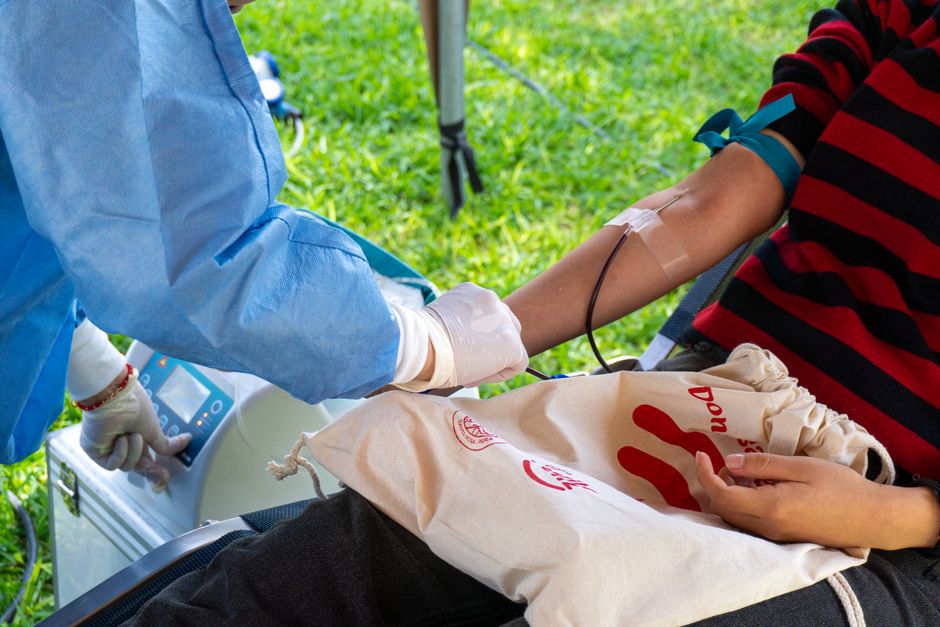
No. In plasma donation, a machine collects only the plasma and returns your red blood cells to your body. This allows you to donate more frequently, up to twice per week, whereas whole blood donation requires an eight-week wait.
How long does a plasma donation take?
The first visit takes about two hours because of the physical exam and screening. Subsequent visits typically take 45 to 90 minutes, depending on your hydration levels and vein access.
Can plasma donation make you tired?
Some people feel fatigued or lightheaded afterward, primarily due to fluid loss. Drinking water and eating a protein-rich meal after donation helps most people recover within a few hours.
Is donating plasma safe for the recipient?
Yes. Plasma is tested for infectious diseases, and the manufacturing process includes viral inactivation steps. The final medications are among the most rigorously regulated products in medicine.
