
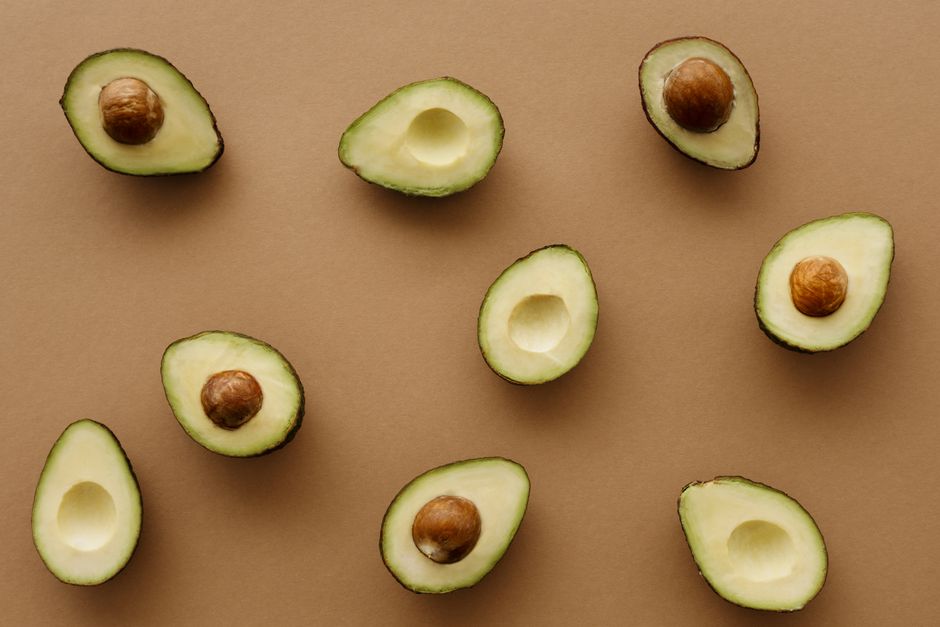
Monounsaturated fats are a type of dietary fat found in plant foods like olive oil, avocados, and nuts. Unlike saturated fats, which are solid at room temperature, monounsaturated fats are liquid. Their chemical structure has one double bond in the fatty acid chain, which is why they are called “mono” unsaturated. Replacing saturated fats with monounsaturated fats is a well-established way to improve cholesterol levels and support heart health.
What Are Monounsaturated Fats?
Monounsaturated fats, often called MUFAs, are one of the three main types of fats in food. The other two are saturated fats and polyunsaturated fats. The difference comes down to chemistry. A monounsaturated fat molecule has one double bond in its carbon chain. That single bond changes how the fat behaves in your body.
These fats are liquid at room temperature but start to solidify when chilled. Olive oil is a classic example. It flows freely on the counter but turns thick and cloudy in the refrigerator. This physical property is a simple way to identify them, though it is not a perfect rule.
Your body needs fat to function. Fat provides energy, helps absorb certain vitamins, and builds cell membranes. Monounsaturated fats are particularly good at supporting heart health when they replace less healthy fats in your diet.
Which Foods Contain Monounsaturated Fats?
Most foods contain a mix of different fats. No food is purely monounsaturated. But some foods are especially rich in them.
- Olive oil — the most well-known source, especially extra virgin olive oil
- Avocados — both the fruit and avocado oil
- Nuts — almonds, cashews, pecans, and macadamia nuts
- Peanut butter and peanut oil
- Canola oil
- Safflower oil and sunflower oil (the high-oleic versions)
- Seeds — pumpkin seeds and sesame seeds
Animal foods also contain monounsaturated fats, though in smaller amounts. Pork, eggs, and dairy products contribute some MUFAs to the diet. However, they also come with saturated fat, so plant sources are generally the better choice.
How Do Monounsaturated Fats Affect Cholesterol?
Monounsaturated fats have a direct effect on blood cholesterol. Studies consistently show that replacing saturated fats with monounsaturated fats lowers LDL cholesterol — the type linked to heart disease. At the same time, they help maintain or even slightly raise HDL cholesterol, the protective type.
This is not a small effect. The change in cholesterol profile is one of the most reliable dietary effects in nutrition science. The American Heart Association and other major health organizations recommend eating more monounsaturated fats as part of a heart-healthy diet.
The mechanism is clear. Monounsaturated fats reduce the liver’s production of LDL particles. They also make LDL particles larger and less dense. Large, fluffy LDL particles are less likely to lodge in artery walls than small, dense ones. This is one reason why the type of fat you eat matters as much as the total amount.





Can Monounsaturated Fats Help with Blood Sugar Control?
Evidence suggests monounsaturated fats improve insulin sensitivity. When your cells respond better to insulin, your body manages blood sugar more effectively. This is particularly relevant for people with type 2 diabetes or prediabetes.
Some research indicates that meals high in monounsaturated fats produce a lower blood sugar response than meals high in carbohydrates. This is because fat slows down the emptying of the stomach. Sugar enters the bloodstream more gradually, avoiding sharp spikes.
However, the evidence is not uniform across all studies. Some trials show clear benefits for blood sugar control, while others show only modest effects. The strongest evidence supports using monounsaturated fats as a replacement for refined carbohydrates and saturated fats, not as an addition to an already high-calorie diet.
What Is the Difference Between Monounsaturated and Polyunsaturated Fats?
Both monounsaturated and polyunsaturated fats are considered healthy fats. The difference is again chemical. Polyunsaturated fats have two or more double bonds in their carbon chain. Monounsaturated fats have just one.
This small structural difference changes how the fats behave. Polyunsaturated fats, found in walnuts, flaxseed, and fatty fish, are even more fluid. They also provide essential fatty acids — omega-3 and omega-6 — that your body cannot make on its own.
Monounsaturated fats are not essential in the same way. Your body can produce them from other fats. But that does not make them less valuable. Both types of unsaturated fats improve cholesterol and reduce heart disease risk when they replace saturated fats.
Some research suggests polyunsaturated fats may lower LDL cholesterol slightly more than monounsaturated fats. But the difference is small. A diet rich in either type is a major improvement over one high in saturated fats.
How Much Monounsaturated Fat Should You Eat?
There is no single recommended daily amount for monounsaturated fats specifically. Instead, guidelines focus on total fat and on replacing saturated fats with unsaturated ones.
The Dietary Guidelines for Americans recommend that total fat make up 20 to 35 percent of daily calories. Within that, most fat should come from unsaturated sources. For a 2,000-calorie diet, that means roughly 44 to 78 grams of total fat per day. Most of that should be monounsaturated and polyunsaturated fats.
A practical approach is simpler. Use olive oil for cooking and dressing. Eat a handful of nuts as a snack. Include avocado in meals. These habits naturally increase monounsaturated fat intake without requiring careful calculation.
One caution: monounsaturated fats are still fats. They contain about 9 calories per gram, more than twice the calories in carbohydrates or protein. Replacing saturated fats with monounsaturated fats supports heart health. Adding them on top of your current diet does not. Weight gain from excess calories can offset the benefits.
Is Olive Oil the Best Source?
Extra virgin olive oil is often called the gold standard of monounsaturated fats. That reputation is largely deserved. It is rich in monounsaturated fats and also contains polyphenols — plant compounds with antioxidant and anti-inflammatory properties.
The Mediterranean diet, which is heavy in olive oil, is consistently linked to lower rates of heart disease. Large observational studies and clinical trials support this connection. The PREDIMED trial in Spain, published in the New England Journal of Medicine, found that a Mediterranean diet supplemented with extra virgin olive oil reduced cardiovascular events compared to a low-fat diet.
But olive oil is not the only good source. Avocado oil has a similar fat profile and a higher smoke point, making it better for high-heat cooking. Canola oil is less expensive and also high in monounsaturated fats. Nuts provide the same benefits along with protein, fiber, and minerals.
The best source is the one you will use consistently. All of these foods improve cholesterol when they replace saturated fats.
Do Monounsaturated Fats Cause Weight Gain?
No food causes weight gain by itself. Weight gain happens when you consume more calories than you burn. Monounsaturated fats are calorie-dense, so eating large amounts can contribute to weight gain.
However, some research suggests that monounsaturated fats may be less likely to promote weight gain than saturated fats. This may be because they are more easily oxidized for energy. It may also be because foods rich in monounsaturated fats — like nuts and avocados — are satiating. They help you feel full, which can reduce overall calorie intake.
Studies on nuts are particularly interesting. Despite being calorie-dense, regular nut consumption is not consistently linked to weight gain. Some research even suggests it may help with weight maintenance. The mechanism is not fully understood, but it likely involves increased fullness and incomplete absorption of some calories.
The practical takeaway is straightforward. Use monounsaturated fats to replace less healthy fats and refined carbohydrates. Do not add them to an already adequate diet without adjusting other calories.
Frequently Asked Questions
Are monounsaturated fats good for you?
Yes. Monounsaturated fats lower LDL cholesterol and support heart health when they replace saturated fats in your diet.
What foods are highest in monounsaturated fats?
Olive oil, avocados, almonds, cashews, pecans, and canola oil are among the richest sources.
Is butter a monounsaturated fat?
No. Butter is mostly saturated fat, though it contains small amounts of monounsaturated fat.
Can you cook with monounsaturated fats at high heat?
Yes, but choose the right oil. Avocado oil has a high smoke point, while extra virgin olive oil is better for medium or low heat.
