
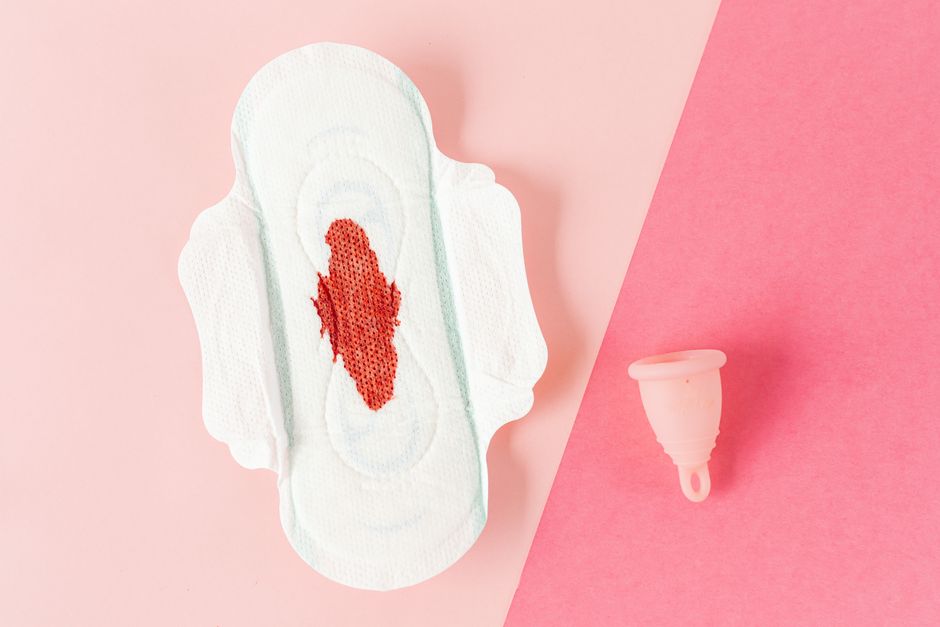
Period blood is usually red, but the exact shade can range from bright red to dark brown or even near-black. It can be thin and watery or thick and clotted. All of these can be normal. What matters more than color is the pattern: how heavy the flow is, how long it lasts, and whether anything changes from your usual cycle.
Menstrual blood is not the same as the blood that comes from a cut. It is a mix of blood, tissue from the lining of the uterus, and mucus. That mixture is why period blood often looks different from what people expect. Its color and texture shift across the days of a period, and those shifts are usually a sign of normal physiology rather than a problem.
What Is Period Blood Supposed To Look Like?
Normal period blood can be bright red, dark red, brown, or pinkish, and it can be watery, sticky, or clotted. There is no single “correct” appearance. A healthy period is defined by a pattern, not a color swatch.
The color changes because blood changes as it ages. When blood leaves the body quickly, it stays bright red. When it sits in the uterus or vagina for a while before coming out, it darkens toward brown or black. This is the same reason a bruise turns colors, or why the last bit of a nosebleed looks darker than the first.
What clinicians generally look at is the overall pattern. A typical menstrual cycle runs about 21 to 35 days from the first day of one period to the first day of the next. Bleeding usually lasts around 2 to 7 days. Average blood loss is roughly 30 to 50 milliliters (about 2 to 3 tablespoons), though this is hard to measure in practice and many people lose more without any health problem.
Color alone rarely signals a problem. A change in color alongside a change in flow, timing, or pain is worth paying attention to.
Why Does Period Blood Change Color During a Period?
Period blood shifts color as the days pass because the speed and volume of flow change. Early in a period, flow is often heavier and faster, so blood looks brighter red. Toward the end, flow slows, blood lingers longer, and it appears darker or brown.
Here is what the shades usually mean:
- Bright red — fresh blood, often at the start of a period or on the heaviest days when flow is quick.
- Dark red or maroon — blood that has been in the body a bit longer; common mid-period or on lighter days.
- Brown or dark brown — older blood; typical at the very start or very end of a period, and sometimes as light spotting between periods.
- Pink — a light flow mixed with more mucus or vaginal fluid; often seen on light days or in early pregnancy spotting.
- Black — usually just very old blood that has taken longer to leave the body; often appears at the tail end of a period.
- Orange or gray — less common and worth mentioning to a clinician, especially if there is an unusual odor, itching, or discharge, since it can sometimes reflect an infection.
One clarification that surprises people: brown discharge at the start or end of a period is blood, not “leftover toxins” or anything that needs to be “cleansed.” It is simply older blood. The body does not store menstrual blood to be flushed out later.
What Do Blood Clots in Period Blood Mean?
Small clots are normal. Menstrual blood contains clotting factors, and when flow is heavy, blood can pool in the uterus or vagina and form a clot before it leaves the body. Clots are most common on the heaviest days.
Size is the thing to watch. Clots that are small are generally not a concern. Clots larger than a quarter, or clots that are frequent and paired with very heavy bleeding, are worth discussing with a clinician. Very heavy bleeding can sometimes be linked to conditions such as uterine fibroids or hormonal imbalance, so it is reasonable to have it checked rather than assume it is normal.
Clots can look alarming, but their presence alone is not a sign of disease. The context — how big, how often, and how heavy the overall flow is — is what matters.





What Does a Normal Period Flow Look Like?
Normal flow varies widely from person to person. Some people have light periods that last a few days. Others have heavier periods that last longer. Both can be within the range of normal.
A practical way to think about heaviness is how often you need to change protection. Needing to change a pad or tampon roughly every 1 to 2 hours, for several hours in a row, or passing large clots, or bleeding that soaks through clothing, are signs of heavy menstrual bleeding. That pattern is common and often treatable, but it is worth a conversation with a clinician rather than something to simply endure.
Period blood can also look thin and watery on light days, and thicker on heavy days. Texture changes with flow, not with health status.
When Should You Be Concerned About Period Blood?
Color by itself is rarely the reason to worry. The signs that deserve medical attention are about pattern and change, not shade.
Consider talking to a clinician if you notice:
- Bleeding so heavy you need to change protection every hour for several hours
- Clots larger than a quarter, or many clots
- Periods lasting longer than about 7 days
- Cycles shorter than 21 days or longer than 35 days
- Bleeding between periods, after sex, or after menopause
- Sudden changes from your usual pattern that persist for more than a cycle or two
- Severe pain that interferes with daily life
- Foul-smelling or unusual discharge along with a change in color
Bleeding after menopause is not normal and should always be evaluated promptly. Postmenopausal bleeding can have several causes, some benign and some serious, and it needs a clinician’s assessment rather than a wait-and-see approach.
None of these signs automatically means something is wrong. They are reasons to get an answer, not reasons to panic.
Does Period Blood Color Change With Age or Birth Control?
Yes, color and flow can shift with age, hormonal changes, and contraception. These shifts are usually normal and reflect changes in hormone levels and the uterine lining rather than a new problem.
Hormonal birth control, especially methods that thin the uterine lining, often leads to lighter periods and more brown or dark spotting. That is an expected effect, not a sign of harm. Approaching menopause, cycles often become irregular in timing and flow, and periods may look different from month to month. Both patterns are common.
Pregnancy is a different situation. Any bleeding during pregnancy should be reported to a clinician, because the causes range from harmless to serious and cannot be sorted out by appearance alone.
What Period Blood Does Not Tell You
Period blood is not a reliable diagnostic tool. Its appearance can suggest that flow is heavy or light, but it cannot tell you whether you have a hormonal condition, an infection, or a structural issue like fibroids. Those require an exam and often imaging or lab tests.
It is also worth being skeptical of claims that period blood color reveals “toxin buildup” or that certain shades mean the body needs a “cleanse.” There is no clinical evidence for these ideas. Menstrual blood is shed uterine lining and blood, and its color reflects how long it took to leave the body, not the state of your internal organs.
If something about your period feels off to you — even if you cannot point to a specific symptom — that is a good enough reason to ask a clinician. You know your own pattern better than anyone.
Frequently Asked Questions
Is brown period blood normal?
Yes, brown period blood is normal and usually just means the blood is older and left the body more slowly. It is most common at the start or end of a period.
What does black period blood mean?
Black period blood is typically very old blood that took longer to leave the uterus, and it is often seen at the end of a period. It is usually not a sign of a problem on its own.
Are blood clots in period blood normal?
Small clots are normal, especially on heavy days, because blood can pool and clot before leaving the body. Clots larger than a quarter, or frequent clots with very heavy bleeding, are worth discussing with a clinician.
Can period blood color tell you if you are pregnant?
No, period blood color cannot confirm or rule out pregnancy. Any bleeding during pregnancy should be reported to a clinician, and a pregnancy test is the reliable way to know.
