
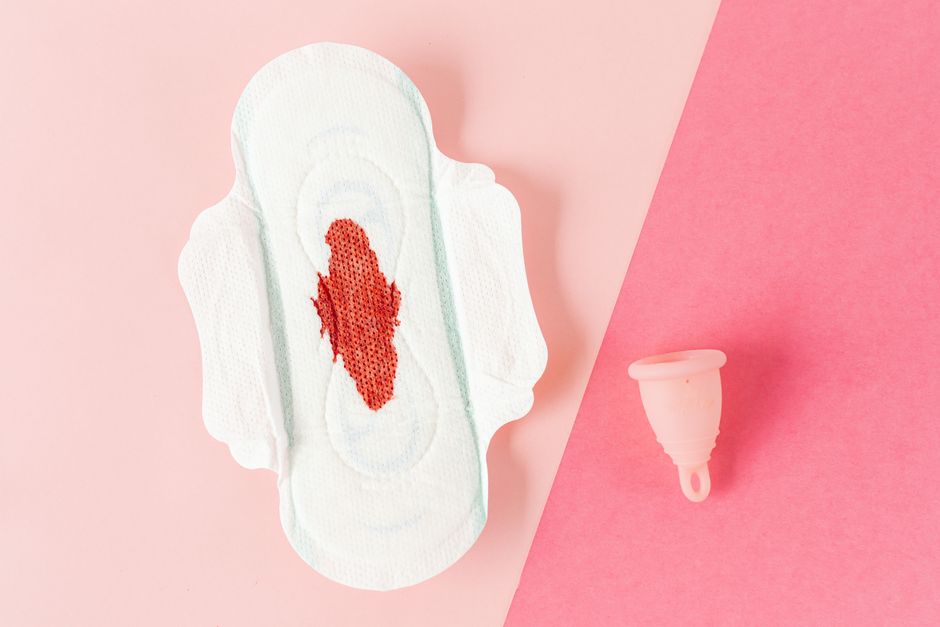
A typical period involves about 30 to 80 milliliters of blood loss — roughly 2 to 5 tablespoons — spread across the days of your cycle. Bleeding that consistently soaks through a pad or tampon every hour for several hours, or that lasts longer than seven days, is heavier than normal and worth discussing with a doctor. The challenge is that “normal” covers a wide range, and many people have no easy way to measure what they’re actually losing.
How Much Blood Loss During A Period Is Normal?
Clinical definitions put normal menstrual blood loss at roughly 30 to 80 milliliters per cycle. That’s about 2 to 5 tablespoons of actual blood, though the total fluid you see includes tissue and other material, so it looks like more.
Anything above 80 milliliters per cycle is generally classified as heavy menstrual bleeding, also called menorrhagia. This threshold has been used in clinical research for decades as the point where iron deficiency and other complications become more likely.
The problem is that almost no one measures their flow in milliliters. Most people judge by pads, tampons, or cups — and those estimates are rough. Studies comparing self-reported flow to measured flow have found that people often underestimate how much they’re losing. If you think your periods might be heavy, they might be heavier than you realize.
What Does 30 to 80 Milliliters Actually Look Like?
A fully saturated regular pad or tampon holds about 5 milliliters of blood. That number surprises most people. It means a period totaling 80 milliliters could involve roughly 16 fully soaked regular products across the entire cycle.
Here’s where it gets tricky. Most people don’t fully saturate a pad or tampon before changing it. If you change a partially soaked product every few hours, you may use 20 or more over your period while still losing a normal amount of blood.
This is why counting products alone isn’t reliable. A better gauge is how often you need to change because of saturation, not just habit or comfort.
- A light flow day might mean changing every 4 to 6 hours with light saturation
- A moderate day might mean changing every 3 to 4 hours with moderate saturation
- A heavy day might mean changing every 1 to 2 hours because the product is soaked through
Menstrual cups offer a more practical way to estimate volume because they have measurement markings. A cup that holds 30 milliliters and fills completely twice during a period suggests roughly 60 milliliters of total loss. That’s within the normal range.
What Are the Signs Your Period Is Heavier Than Normal?
The signs of heavy bleeding are practical and observable, even without measuring milliliters. If any of these apply to you, your flow may be above the normal range.
- Soaking through one pad or tampon every hour for several consecutive hours
- Needing to change protection during the night
- Passing blood clots larger than a quarter
- Bleeding that lasts more than seven days
- Flooding — a sudden gush of blood that overwhelms your protection
- Feeling faint, dizzy, or unusually tired during your period
Fatigue is worth paying attention to. Heavy periods are a common cause of iron deficiency anemia in people who menstruate. When you lose blood, you lose iron. Over time, that can lead to low hemoglobin and symptoms like shortness of breath, pale skin, and persistent exhaustion.
Some people assume their heavy periods are just “how they are.” That’s a common and understandable mistake. Heavy bleeding is not something you have to accept as your normal. It often has an identifiable cause and treatable options.




What Causes Heavier Than Normal Periods?
Heavy menstrual bleeding has many possible causes, and sometimes more than one is present. The most common structural causes include uterine fibroids and adenomyosis. Hormonal causes include thyroid disorders, polycystic ovary syndrome, and other conditions that affect ovulation.
Bleeding disorders — including von Willebrand disease — can also cause heavy periods. This is more common than many people realize. For some women, heavy periods since adolescence are the first sign of an underlying bleeding disorder.
Other causes include:
- Endometrial polyps
- Infection of the uterus
- Certain medications, including blood thinners
- Copper intrauterine devices (IUDs)
- Perimenopause, when hormone levels fluctuate
- Rarely, endometrial cancer
The cause matters because treatment depends on it. A fibroid may be treated differently than a thyroid problem or a bleeding disorder.
When Should You See a Doctor About Period Blood Loss?
See a doctor if you’re soaking through protection every hour for more than two hours, if you pass clots larger than a quarter, or if your period lasts longer than seven days. These aren’t arbitrary rules — they’re signs that your blood loss may be affecting your health.
You should also seek care if you feel faint, have chest pain, or have a heart rate that feels unusually fast during your period. These can signal significant blood loss that needs prompt attention.
Beyond those urgent signs, it’s worth talking to a doctor if your periods interfere with daily life. Missing work, avoiding social activities, or planning your schedule around your period are not things you have to live with.
A doctor can check for anemia with a simple blood test, look for structural causes with imaging, and help identify hormonal or bleeding disorders. The evaluation is usually straightforward.
Does a Heavy Period Always Mean Something Is Wrong?
No. Some people naturally have heavier flow than others, and a single heavy period doesn’t necessarily indicate a problem. Stress, changes in weight, travel, and hormonal shifts can all affect one cycle without any underlying condition.
But a pattern of heavy bleeding — cycle after cycle — is different. When your periods are consistently heavy, especially if they’re getting heavier over time, that pattern deserves attention.
Age matters too. Heavy bleeding is common in the first few years after menarche, when cycles are still regulating, and again in perimenopause, when hormone levels fluctuate. In both cases, it’s still worth checking whether the bleeding is causing anemia or other problems, even if the cause is hormonal transition rather than disease.
How Is Heavy Menstrual Bleeding Measured Clinically?
In research settings, heavy bleeding is measured using a method called the alkaline hematin test. It involves collecting used pads and tampons and extracting the blood to measure its iron content, which correlates with total blood volume. This is the gold standard for research but is not used in routine clinical practice.
In a doctor’s office, assessment is usually based on your history and a physical exam. Your doctor will ask how often you change protection, whether you pass clots, how long your periods last, and whether bleeding affects your daily life. They may also check for anemia with a blood test.
There is no perfect at-home measurement tool. Menstrual cups with volume markings come closest, but they’re still an estimate. The practical takeaway is this: if your bleeding seems heavy by the signs above, that’s enough reason to get it checked. You don’t need to know the exact milliliter count.
Frequently Asked Questions
How many pads is a normal period?
There’s no fixed number, but using more than one pad every two hours for several hours in a row suggests heavy bleeding. Most people use somewhere between 10 and 20 products per cycle, though this varies widely based on flow and personal habits.
Is passing large blood clots normal during a period?
Small clots are common, especially on heavy days. Clots larger than a quarter are considered a sign of heavy bleeding and should be evaluated by a doctor.
Can heavy periods cause anemia?
Yes. Heavy menstrual bleeding is a common cause of iron deficiency anemia in people who menstruate. A simple blood test can check your iron levels and hemoglobin.
How long is too long for a period?
Bleeding that lasts longer than seven days is considered prolonged. If your periods regularly last more than a week, talk to your doctor about possible causes.
