
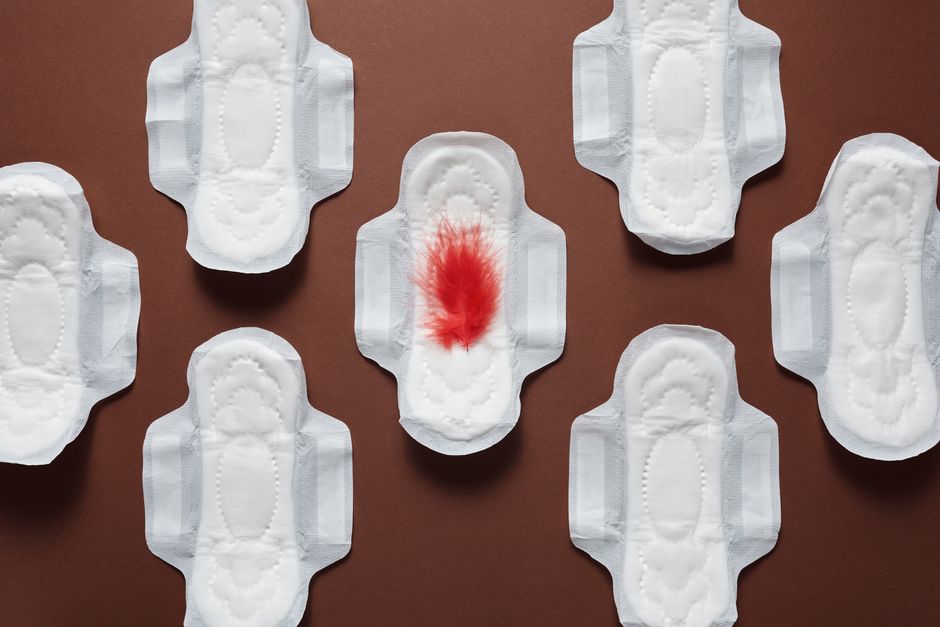
Brown period blood is usually old blood that took longer to leave the uterus. When blood sits in the body for a while before exiting, oxygen exposure turns it from bright red to brown or dark maroon. If your period blood is brown the whole time, the most common reason is a slow, light flow — the blood simply isn’t moving out fast enough to stay red.
That said, “usually” is doing real work in that sentence. Brown blood can also signal hormonal shifts, the normal tail end of a period, or in some cases something worth checking with a doctor. What follows explains when brown blood is ordinary and when it deserves a closer look.
Why Is My Period Blood Brown The Whole Time?
Blood changes color based on how long it spends exposed to oxygen. This is the same reason a scab turns dark brown and a fresh cut stays red.
Menstrual blood is a mix of blood, tissue from the uterine lining, and mucus. When your flow is heavy, blood leaves the body quickly and stays bright red or dark red. When your flow is light, the blood lingers in the uterus and vagina, oxidizes, and comes out brown.
If your entire period is brown, it generally means your flow is light from start to finish. That’s not automatically a problem. But a consistently light, brown period can have several different causes, and the cause matters more than the color itself.
One detail worth knowing: the color of period blood is not a diagnostic tool on its own. Doctors don’t diagnose conditions by color alone. They look at color alongside cycle length, flow volume, timing, pain, and other symptoms.
What Causes Brown Period Blood?
The causes fall into two broad groups — ones that are normal and ones that may need medical attention.
Normal causes
- Start or end of your period. Brown blood at the beginning or end of a period is expected. Flow is lightest during those days.
- Light flow overall. Some people simply have lighter periods. Hormonal birth control, especially low-dose pills, the implant, or hormonal IUDs, commonly reduces flow and can make period blood brown.
- Delayed shedding. Sometimes the uterine lining sheds slowly, so blood exits over more days and spends more time oxidizing.
- Perimenopause. Cycles often become irregular and lighter or heavier during the transition to menopause, and brown blood is common during this time.
Causes that may need attention
- Pregnancy-related bleeding. Very light brown spotting can occur in early pregnancy, including with a pregnancy that isn’t progressing normally. Anyone with possible pregnancy and unusual bleeding should test and speak to a clinician.
- Hormonal imbalances. Conditions affecting estrogen and progesterone can change how the lining builds up and sheds. Polycystic ovary syndrome (PCOS) and thyroid problems are examples.
- Uterine or cervical issues. Fibroids, polyps, and some infections can cause irregular bleeding that appears brown or pink.
- Scarring or structural changes. Scar tissue in the uterus can trap blood and slow its exit.
The pattern matters. Brown blood only at the start or end of a period is far less concerning than brown blood all the way through every cycle for months, especially if your cycles used to be different.
Is Brown Period Blood a Sign of Pregnancy?
It can be, but brown spotting is not a reliable pregnancy sign on its own.
Light brown or pink spotting sometimes happens in early pregnancy, often around the time a person would expect a period. This is sometimes called implantation bleeding, though the evidence that implantation specifically causes visible bleeding is not strong. Some studies suggest a portion of pregnant people experience early spotting; others have none at all.
Brown spotting can also happen with a pregnancy that is not developing normally, including an ectopic pregnancy, which is a medical emergency. That’s why the practical step is simple: if there’s any chance you’re pregnant, take a home test. If it’s positive and you have bleeding, contact a clinician. If you have bleeding along with severe pain, dizziness, or shoulder pain, seek emergency care.
Do not use blood color to rule pregnancy in or out. A test answers that question; color does not.





When Should You See a Doctor About Brown Discharge or Bleeding?
See a doctor if brown bleeding comes with any of the following:
- Bleeding between periods, after sex, or after menopause
- Bleeding that lasts longer than your usual period
- Severe or worsening pelvic pain
- Unusual vaginal odor or discharge along with the bleeding
- Fever
- A positive pregnancy test with any bleeding
- Soaking through a pad or tampon every hour for several hours
Also worth a visit: a change in your normal pattern that persists for more than a couple of cycles. Postmenopausal bleeding is never considered normal and should always be evaluated.
None of these signs automatically means something is wrong. They mean the cause should be identified rather than assumed.
Brown Blood vs. Other Period Blood Colors
Color generally reflects how long blood spent in the body and how heavy the flow was. This table describes typical patterns, not diagnoses.
| Color | What it usually means |
|---|---|
| Bright red | Fresh blood, often during heavier flow days |
| Dark red | Blood that has begun to oxidize; common mid-period |
| Brown | Older, oxidized blood; typical of light flow, start or end of period |
| Pink | Blood mixed with cervical fluid; often light flow or spotting |
| Black | Very old blood; usually at the very end of a period |
| Gray | Can indicate infection; needs medical evaluation |
Gray discharge is the one color on this list that warrants prompt attention rather than watching and waiting. It can be associated with bacterial vaginosis or other infections, and in pregnancy it can be a sign of pregnancy loss.
What Does It Mean If Your Period Is Brown Every Month?
A consistently brown, light period over multiple cycles points toward a cause rather than random variation.
The most common explanations are hormonal contraception, perimenopause, and naturally light cycles. Hormonal birth control is a frequent factor because it thins the uterine lining, which reduces flow and allows more time for oxidation.
If your periods have always been light and brown, and your cycles are otherwise regular, that’s often just your normal pattern. If your periods changed — becoming lighter, browner, or more irregular than they used to be — that change is the useful information. Bring it to a clinician along with details about timing and any other symptoms.
Tracking your cycle for two to three months gives a doctor far more to work with than a single observation. Note the dates, flow, color, and any pain or spotting between periods.
Does Brown Period Blood Need Treatment?
No. Brown period blood itself is not a condition and does not need treatment.
Treatment, when needed, targets the underlying cause — not the color. If the cause is a hormonal imbalance, a clinician may address that. If it’s a polyp or fibroid, removal may be considered. If it’s an infection, that gets treated. If it’s simply a light flow pattern, no treatment is needed at all.
There is no home remedy that changes the color of period blood, and none is necessary. Color is a signal, not a symptom to fix.
Frequently Asked Questions
Is brown period blood normal?
Yes, brown period blood is normal in most cases, especially at the start or end of a period or when flow is light. It becomes worth evaluating if it’s new, persistent, or comes with pain, odor, or bleeding between periods.
Why is my period blood brown instead of red?
Brown blood is blood that oxidized after spending more time in the uterus or vagina before exiting. This typically happens when flow is light, so the blood moves out slowly.
Can brown period blood mean I’m pregnant?
It can occur in early pregnancy, but brown spotting is not a reliable sign of pregnancy either way. Take a home pregnancy test if there’s any chance you’re pregnant, and contact a clinician if the test is positive and you’re bleeding.
When should I worry about brown discharge?
Seek care for brown bleeding after menopause, bleeding between periods, bleeding with severe pain or fever, or a positive pregnancy test with any bleeding. These signs don’t confirm a problem, but the cause should be checked.
