
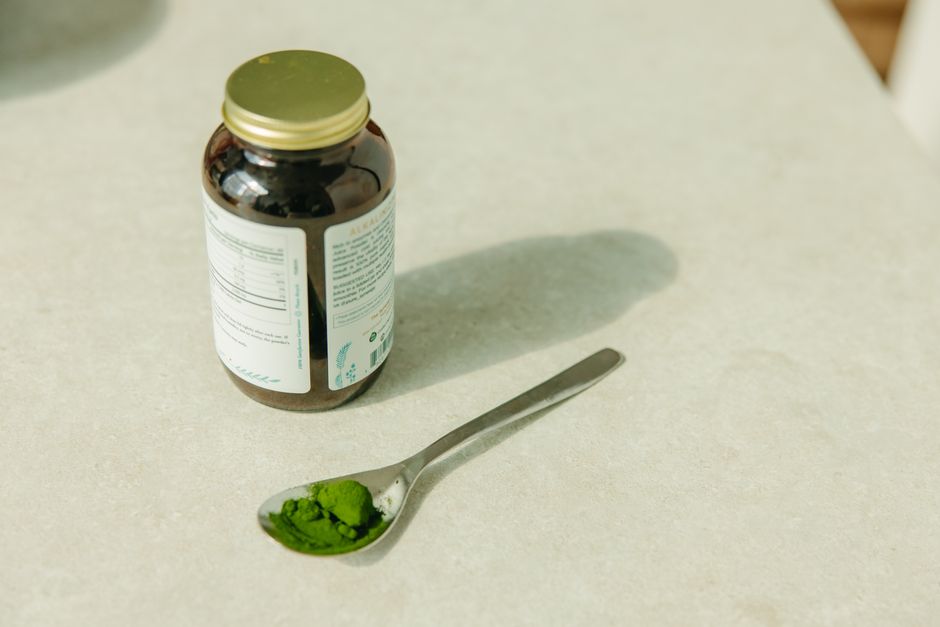
Organic protein powder is a concentrated source of protein made from ingredients grown without synthetic pesticides or fertilizers, and it does the same basic job as any other protein powder: it helps you hit your daily protein target when food alone falls short. Protein supports muscle repair, immune function, hormone production, and healthy skin, hair, and nails. The “organic” label speaks to how the ingredients were farmed, not to any special nutritional power inside the powder itself.
That distinction matters more than most marketing suggests. People often assume organic means more protein, better absorption, or a cleaner effect on the body. None of that is guaranteed. This article explains what organic protein powder actually does for your body, where the real differences lie, and where the claims outrun the evidence.
What Is Organic Protein Powder Good For Your Body?
Protein is an essential nutrient your body cannot store the way it stores fat or carbohydrate. You need a steady supply to build and repair tissue, make enzymes and hormones, and support immune cells. Most adults need roughly 0.8 grams of protein per kilogram of body weight per day as a baseline, according to established nutrition guidelines, with higher needs for people who are physically active, older, or recovering from illness.
Organic protein powder is simply a convenient way to add protein to your day. A scoop mixed into a smoothie or shaken with water delivers a concentrated dose without requiring you to cook or prepare a full meal. For someone who struggles to eat enough protein from whole foods, that convenience is the main practical benefit.
What organic protein powder does not do is act differently inside your body than conventional protein powder. Once digested, protein breaks down into amino acids regardless of how the source crop or animal was raised. Your cells use those amino acids the same way. The organic label reflects farming and processing standards set by the USDA, not a different biological effect.
Does Organic Protein Powder Build Muscle Better Than Regular?
No. Muscle growth depends on total protein intake, the quality of that protein, resistance training, and adequate calories. Whether the protein came from an organic or conventional source does not change how your muscles respond.
What matters for muscle is the amino acid profile. Whey, a dairy-based protein, is a complete protein, meaning it contains all nine essential amino acids your body cannot make on its own. It is also digested relatively quickly, which is why it is popular after exercise. Many plant proteins, including pea and rice, are lower in one or more essential amino acids on their own, though blends are often formulated to cover the gaps.
The evidence on protein timing is more forgiving than gym culture suggests. Research indicates that total daily protein intake matters more than hitting a narrow window right after a workout. If you eat enough protein across the day, the exact timing of a shake is a minor detail.
Is Organic Protein Powder Healthier Than Non-Organic?
The honest answer is that the evidence is limited and mixed. Organic farming restricts the use of synthetic pesticides and fertilizers, and organic livestock standards restrict certain hormones and antibiotics. If you want to reduce your exposure to those specific agricultural inputs, choosing organic is a reasonable personal preference.
But a lower pesticide residue in the raw ingredient does not automatically mean a measurable health benefit from the powder. Studies that compare health outcomes between organic and conventional food consumption have not produced consistent, strong findings. The differences, where they appear, tend to be modest and hard to separate from the other habits of people who choose organic food.
There is also a common misconception worth correcting: “organic” does not mean “additive-free” or “naturally sweetened.” Organic protein powders can still contain added sugars, artificial-tasting flavorings, thickeners, and sugar alcohols. You have to read the ingredient list, not just the front label.

What About Protein Powder From Organic Pea, Hemp, Or Brown Rice?
Plant-based organic protein powders serve the same purpose as dairy-based ones, but their amino acid profiles and textures differ. Here is how the common types generally compare.
| Type | Complete protein? | Notes |
|---|---|---|
| Whey (organic) | Yes | All essential amino acids; digested quickly; contains lactose |
| Pea | Close, low in methionine | Often blended with rice to fill the gap |
| Brown rice | Close, low in lysine | Commonly paired with pea protein |
| Hemp | No | Contains all essential amino acids but lower in lysine; earthy taste |
| Soy (organic) | Yes | Complete plant protein; some people avoid it for personal reasons |
Blends exist precisely because single plant sources tend to fall short on one amino acid. A pea-and-rice blend can match the completeness of whey for practical purposes. If you follow a plant-based diet, a blend is often the simpler choice.
Who Might Benefit From Organic Protein Powder?
Protein powder helps when your protein needs are higher than what you comfortably eat, or when convenience is the barrier. A few groups tend to find it useful.
- Older adults, who often need more protein than the standard baseline to preserve muscle mass
- People doing regular resistance training who want to support recovery
- Vegetarians and vegans who find it hard to reach their protein target from plant foods alone
- Anyone recovering from illness or surgery, when appetite may be low
- People with a busy schedule who skip meals and want a quick protein source
For most healthy adults who already eat enough protein from meat, eggs, dairy, beans, and grains, a powder is optional. It is a convenience tool, not a requirement.
Are There Downsides Or Risks To Know About?
For most people, protein powder is well tolerated. The more common issues are digestive: bloating, gas, or loose stools, often from lactose in whey or from sugar alcohols and thickeners in flavored blends. Switching types or choosing an unflavored product often resolves it.
People with kidney disease should talk to a clinician before adding protein powder, because protein intake may need to be managed carefully in that condition. This is a genuine medical consideration, not a general warning for everyone else.
There is also a quality-control issue. Independent testing has repeatedly found that some protein powders contain detectable levels of heavy metals such as lead and cadmium, though levels vary widely by brand and batch. This is not unique to organic products. Choosing a product that has been third-party tested is a reasonable precaution, especially if you use powder daily.
One clarification that gets lost in the debate: the concern about heavy metals is about contamination of the raw ingredient and the manufacturing process, not about whether the product is organic. Organic certification does not guarantee low heavy metal content.
How Do You Choose A Good Organic Protein Powder?
Start with the ingredient list, not the marketing. A short list of recognizable ingredients is generally a better sign than a long one full of additives. Look at the protein content per scoop so you know what you are actually getting.
Check whether the product is third-party tested. Certifications from independent testing organizations signal that the powder has been screened for contaminants, which matters if you use it regularly.
Match the type to your diet and digestion. Whey if you tolerate dairy and want a complete, fast-digesting protein. A pea-and-rice blend if you avoid dairy or follow a plant-based diet. Hemp if you prefer it and are willing to blend it into other protein sources across the day.
Finally, be skeptical of claims that organic protein powder detoxes, boosts metabolism, or delivers benefits beyond ordinary protein. Those claims are not supported by clinical evidence. What the powder reliably does is add protein to your diet. That is a real and useful thing, and it is enough.
Frequently Asked Questions
Is organic protein powder better for you than regular protein powder?
Not necessarily. The organic label reflects how ingredients were farmed, not a proven health advantage, and the evidence comparing health outcomes is limited and mixed. What matters most is the protein content, amino acid profile, and whether the product is third-party tested.
How much protein do I need each day?
Most adults need about 0.8 grams of protein per kilogram of body weight daily as a baseline, with higher needs for active, older, or recovering people. A protein powder is one way to help meet that target, not a requirement.
Can organic protein powder help me lose weight?
Protein can help you feel full and support muscle during weight loss, but no protein powder directly causes fat loss on its own. Weight change depends on overall calorie intake and activity, not on the type of powder.
Is organic protein powder safe to use every day?
For most healthy adults, daily use is generally well tolerated, though some people get digestive upset from lactose or additives. People with kidney disease should check with a clinician first, and choosing a third-party tested product is a reasonable precaution.
