
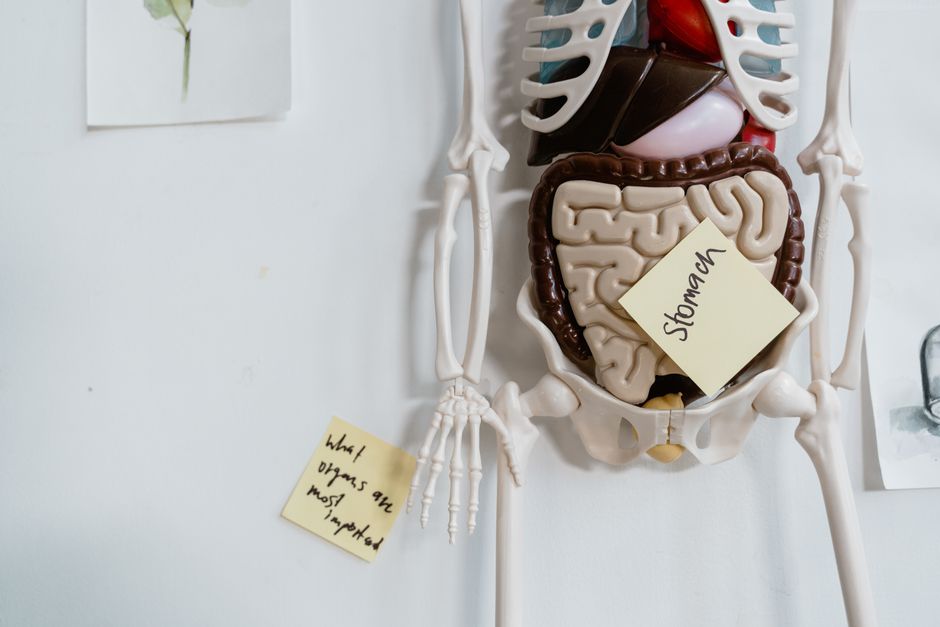
The left side of your abdomen holds more than your stomach. It contains parts of your digestive tract, your spleen, your left kidney, and a section of your large intestine. For most people, occasional discomfort in this area is normal and harmless. But because several organs sit close together, pain here can come from many different sources.
What Organs Are Actually On The Left Side?
Your stomach itself sits mostly on the left side of your upper abdomen, just below your ribcage. But it is not the only thing there. Understanding what lies beneath the surface helps you make sense of what you might be feeling.
The main organs in the left upper and lower abdomen include:
- The stomach — stores and begins digesting food
- The spleen — filters blood and supports your immune system
- The pancreas — its tail extends to the left side
- The left kidney — filters waste from your blood
- The descending colon — the part of the large intestine that travels down the left side
- The sigmoid colon — the S-shaped section near the end of the large intestine
In women, the left ovary and fallopian tube also sit in the lower left abdomen. In both men and women, the left ureter carries urine from the left kidney to the bladder.
Because these organs are packed close together, pain in one area can be hard to pin down. The same spot of pain might come from your intestine, your kidney, or your reproductive organs.
What Does Left Side Pain Usually Mean?
Most left side pain is digestive. Gas, constipation, and indigestion are the most common causes. These conditions produce cramping, bloating, or a dull ache that comes and goes.
Gas pain happens when air builds up in the colon. It often moves around and may feel sharp for a moment, then fade. Constipation causes a fuller, heavier sensation. Both are temporary and usually respond to movement, hydration, and time.
More persistent digestive conditions can also cause left side pain. Diverticulitis — inflammation of small pouches in the colon — typically causes pain in the lower left abdomen. Irritable bowel syndrome can cause cramping on either side. Inflammatory bowel disease, including ulcerative colitis, often affects the left colon and can produce pain along with changes in bowel habits.
When Is Left Side Pain A Medical Emergency?
Some causes of left side pain require urgent care. You should seek emergency medical attention if your pain is severe, sudden, or accompanied by certain warning signs.
Go to an emergency room if you have left side pain along with any of these:
- Fever or chills
- Vomiting that will not stop
- Blood in your stool or vomit
- Pain that spreads to your chest, neck, or shoulder
- Difficulty breathing
- Dizziness or fainting
- Swelling or tenderness when you press on the area
These symptoms can signal conditions like a ruptured spleen, a kidney infection, a twisted ovary, or a blocked intestine. These are uncommon but serious. When they happen, delaying care increases risk.
A ruptured spleen is one of the most dangerous causes of left upper abdominal pain. It can happen after trauma, like a car accident or a hard fall. The spleen can also enlarge from infections like mononucleosis, making it more fragile. If you have left upper pain after any kind of injury to your chest or abdomen, get evaluated promptly.





Could It Be My Kidney?
Your left kidney sits deep in your back, just below your ribcage. Kidney problems often cause pain in the side or back, not the front of your abdomen. But the sensation can wrap around to the front, confusing people.
A kidney stone typically causes sharp, severe pain that comes in waves. The pain often starts in the back or side and moves toward the lower abdomen and groin. Kidney infections usually cause a duller ache along with fever, nausea, and pain when urinating.
If your pain is more toward your back than your belly, and you have urinary symptoms like burning or frequent urination, a kidney issue is more likely than a stomach issue.
What About The Spleen?
The spleen sits under your left ribcage, near the top of your abdomen. It is about the size of your fist. You can live without it, but it plays important roles in filtering old blood cells and fighting infection.
Spleen pain usually feels like pressure or fullness in the upper left abdomen. It may radiate to your left shoulder — a sign that the spleen is irritated or enlarged. This shoulder pain happens because the nerve that supplies the diaphragm also supplies the shoulder area.
An enlarged spleen can result from infections, liver disease, or blood disorders. It seldom causes problems on its own, but an enlarged spleen is more likely to rupture from injury. If you have been told you have an enlarged spleen, avoid contact sports and heavy lifting until your doctor clears you.
Is It Gas, Or Something More Serious?
Distinguishing gas from a more serious problem is not always easy. Gas pain typically improves with passing gas or having a bowel movement. It rarely wakes you from sleep. It usually does not come with fever, vomiting, or blood.
Serious conditions tend to produce more consistent or progressive pain. Pain that steadily worsens over hours or days deserves attention. Pain that changes your appetite, sleep, or ability to function is worth a medical visit.
A useful question to ask yourself: Is this pain different from anything I have felt before? New, unusual, or severe pain deserves more caution than familiar, mild cramping you have experienced many times.
What Are The Less Common Causes?
Several less common conditions can cause left side pain. Knowing about them helps you recognize when something is not typical.
Pancreatitis — inflammation of the pancreas — causes pain in the upper middle or left abdomen. The pain often radiates to the back and worsens after eating. It is usually accompanied by nausea and vomiting. Heavy alcohol use and gallstones are the most common triggers.
A hernia in the abdominal wall can cause localized pain on the left side. The pain may worsen with coughing, lifting, or straining. You might feel a bulge in the area.
Endometriosis in women can cause chronic left lower abdominal pain that worsens around the menstrual period. The pain may be sharp, cramping, or a constant ache.
Shingles — caused by the reactivation of the chickenpox virus — can produce burning pain on one side of the body before a rash appears. If you have burning left abdominal pain and notice a rash forming, shingles is a possibility.
How Do I Know If I Need To See A Doctor?
Mild, brief discomfort that resolves on its own usually does not require medical attention. But certain patterns should prompt a call to your doctor.
See a doctor if your pain lasts more than a few days, keeps coming back, or interferes with daily life. Also seek care if you have unexplained weight loss, persistent changes in bowel habits, or pain that wakes you at night.
When you see your doctor, be specific about your symptoms. Where exactly is the pain? When did it start? What makes it better or worse? Does anything else happen at the same time — nausea, fever, changes in urination? These details help your doctor narrow down which organ is involved.
Your doctor may order blood tests, urine tests, or imaging like an ultrasound or CT scan. These tests help identify the source of your pain. Many causes of left side pain are treatable once they are correctly diagnosed.
Frequently Asked Questions
Why does the left side of my stomach hurt after eating?
This is often digestive — gas, indigestion, or the stomach stretching as it fills with food. If pain regularly follows meals and is severe, see a doctor, as it can also signal pancreatitis or gallbladder issues.
Can left side pain be a sign of a heart attack?
Yes, in rare cases. Heart attacks can cause pain in the upper abdomen, especially the left side, and this is more common in women. Seek emergency care if abdominal pain comes with chest pressure, shortness of breath, nausea, or sweating.
What does spleen pain feel like?
Spleen pain feels like pressure or fullness under the left ribcage. It may spread to the left shoulder. If this pain follows an injury or comes with fever, seek medical care immediately.
Is left side pain during pregnancy normal?
Some mild aching is normal as ligaments stretch to support the growing uterus. But sharp, severe, or persistent left pain during pregnancy requires urgent evaluation, as it can indicate ectopic pregnancy or other complications.
