
Pain on the left side of your stomach usually comes from one of the organs packed into that area: the stomach itself, the pancreas, the spleen, part of the colon, or the left kidney. The location tells you something, but not everything. The same spot can hurt for reasons as ordinary as trapped gas and as serious as a kidney infection.
Doctors call the left upper abdomen a crowded neighborhood. Several organs sit close together there, and their pain signals overlap. That is why the feeling alone rarely names the cause. Where the pain sits, how it feels, and what comes with it are the clues that matter most.
Why The Left Side Of Your Stomach Hurts: What Sits There
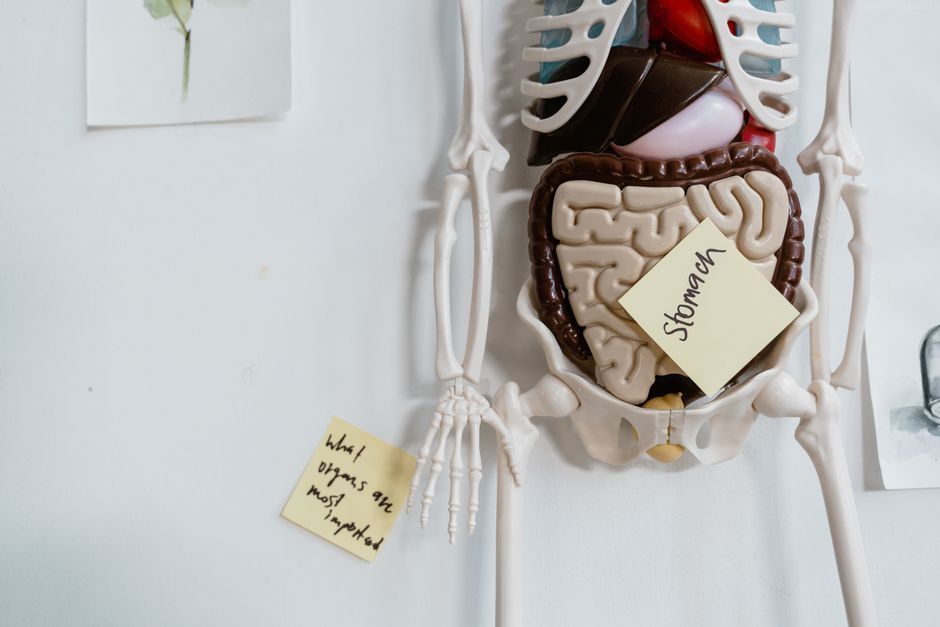
The left upper abdomen holds the stomach, the tail of the pancreas, the spleen, the left kidney, and the splenic flexure — the bend where the colon turns downward. Each can produce pain in roughly the same region.
This overlap is the single most useful thing to understand. A dull ache under the left ribs could be a stretched spleen, an inflamed pancreas, or simply gas trapped in the colon. The organs are close, so the brain struggles to tell them apart.
There is one detail worth knowing. The stomach sits high and to the left, but it is not the only source of “stomach” pain. Many people point to the stomach when the real problem is lower down in the colon or deeper in the pancreas.
What Are The Most Common Causes?
Most left-sided abdominal pain is not dangerous. Gas, indigestion, and constipation top the list.
- Gas and bloating — trapped gas in the colon causes sharp, cramping pain that often shifts and eases.
- Indigestion — irritation of the stomach lining can cause burning or discomfort after eating.
- Constipation — a backed-up colon, especially at the splenic flexure, can cause steady left-sided pressure.
- Stomach flu or food poisoning — infections cause cramping, often with vomiting or diarrhea.
- Muscle strain — a pulled muscle in the abdominal wall hurts with movement or pressure.
These common causes tend to come and go. Pain that builds steadily, lasts hours, or worsens is a different story.
When Could It Be Something More Serious?
Some left-sided pain needs prompt medical attention. The pattern and the company it keeps are what separate ordinary discomfort from a problem that needs care.
Diverticulitis is one of the most common serious causes. Small pouches in the colon wall can become inflamed, and this most often happens on the left side. It usually brings steady pain, fever, and tenderness.
Pancreatitis causes severe pain in the upper abdomen that often bores through to the back. It can come with nausea and vomiting.
Kidney problems — a kidney stone or infection on the left side can cause pain that wraps around to the back or flank, sometimes with burning urination or fever.
Spleen problems — an enlarged or injured spleen causes pain under the left ribs. This can follow an infection or a blow to the body.
A less common but serious cause is a problem with the aorta, the body’s main artery, which runs down the center of the abdomen. Sudden, severe, tearing pain is a medical emergency.




How Do Symptoms Help Narrow It Down?
Where the pain sits and what travels with it point toward different organs. This is a general guide, not a diagnosis.
| Clue | Possible source |
|---|---|
| Burning after meals | Stomach or indigestion |
| Pain that bores to the back | Pancreas |
| Pain with fever and left-sided tenderness | Diverticulitis |
| Pain wrapping to the flank, urinary symptoms | Left kidney |
| Pain under the left ribs after illness or injury | Spleen |
| Pain that shifts and eases | Gas or colon |
Timing matters too. Pain that wakes you at night, keeps getting worse, or lasts for hours deserves a call to a doctor.
What Symptoms Mean You Should Get Help Right Away?
Some warning signs mean you should not wait. Seek emergency care for severe or sudden pain, a rigid or board-like belly, or pain with a high fever.
Also get help quickly for:
- Vomiting blood or material that looks like coffee grounds
- Blood in the stool or black, tarry stools
- Yellowing of the skin or eyes
- Pain with fainting, rapid heartbeat, or shortness of breath
- Pain during pregnancy, which always warrants a call to a clinician
These signs can point to bleeding, infection, or a blocked organ. They are not things to watch at home.
How Do Doctors Figure Out The Cause?
Doctors start with questions and a hands-on exam. They press on the belly to find where it hurts and check for tenderness or swelling.
From there, the tests depend on what they suspect. Blood tests can check for infection, inflammation, or organ problems. Imaging — an ultrasound, CT scan, or other scan — can show the organs directly. A urine test can check the kidneys.
No single test covers every cause. That is why the exam and the story of your pain matter so much. The same symptom can lead down very different paths depending on the details.
What About Pain That Keeps Coming Back?
Recurring left-sided pain is common and often linked to digestion. Irritable bowel syndrome can cause cramping and changes in bowel habits, and it often affects the left side.
Some people find that certain foods trigger discomfort. Keeping a simple record of what you eat and when pain strikes can reveal patterns. This is not a diagnosis, but it gives a doctor useful information.
If pain keeps returning, it is worth getting checked rather than guessing. Ongoing pain can have causes that are easy to treat once identified.
Can Diet Or Habits Make It Better?
For ordinary digestive pain, some habits help. Eating slowly, staying hydrated, and getting regular fiber can ease gas and constipation. Regular movement also helps the gut.
For diverticulitis, medical guidance has shifted over the years. Older advice told people to avoid nuts and seeds, but that restriction is no longer generally supported. Anyone with a diagnosed condition should follow their own clinician’s advice rather than general rules.
No diet reliably prevents every cause of left-sided pain. When pain is frequent or severe, food choices are not a substitute for a medical evaluation.
Does The Side Really Matter?
Side gives useful clues but does not confirm a cause. The left side narrows the list of possible organs, which helps doctors decide what to check first.
Two people with pain in the same spot can have completely different problems. That is why no article — including this one — can tell you what is causing your pain. It can only help you understand what to watch for and when to get help.
Trust the pattern. Pain that is mild, shifting, and brief is usually not a concern. Pain that is severe, steady, or paired with warning signs needs a doctor, not a search engine.
Frequently Asked Questions
What organ is on the left side of your stomach?
The left upper abdomen holds the stomach, the tail of the pancreas, the spleen, the left kidney, and part of the colon. Pain in that area can come from any of them.
When should I worry about left-sided stomach pain?
Worry when the pain is severe, sudden, or comes with fever, vomiting blood, blood in the stool, or a rigid belly. Those signs need emergency care right away.
Can gas cause pain on the left side?
Yes, trapped gas is one of the most common causes of left-sided pain. It usually causes cramping that shifts and eases on its own.
Is left-sided pain a sign of diverticulitis?
It can be, since diverticulitis most often affects the left side of the colon. It usually brings steady pain along with fever and tenderness, so see a doctor if those appear together.
