
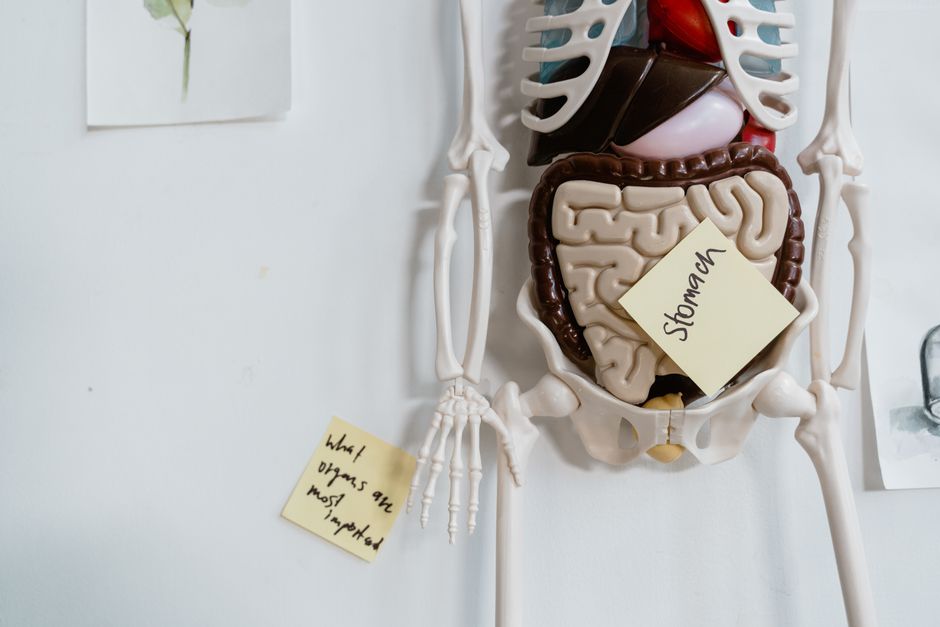
Pain in the lower left abdomen is a signal worth paying attention to, because the organs packed into that small space each produce a different kind of discomfort. The most common causes range from ordinary constipation and gas to diverticulitis, a urinary tract infection, or a gynecological issue in women. Where the pain sits, how it feels, and what comes with it usually point toward the source.
Why Your Lower Left Stomach Hurts Common Causes
The lower left quadrant of your abdomen holds a specific set of structures. On the left side you have the descending and sigmoid colon, part of the small intestine, the left ureter (the tube carrying urine from the left kidney), and the left ovary and fallopian tube in women. In men, the left spermatic cord runs through this area. Pain here almost always traces back to one of those organs.
That anatomical reality matters because the same location can produce very different symptoms. A colon problem tends to come with changes in bowel habits. A urinary problem usually brings burning or urgency. A reproductive problem often ties to the menstrual cycle. A doctor uses these patterns to narrow the list.
Digestive causes
Constipation is the most frequent explanation for lower left abdominal pain. When stool backs up in the sigmoid colon — the final stretch before the rectum — it stretches the bowel wall and causes a dull, cramping ache. Gas trapped in the same region produces a sharper, more fleeting pain that often shifts or passes.
Diverticulitis is the cause clinicians watch for most carefully. Small pouches called diverticula can form in the colon wall, most often on the left side in Western populations. When one becomes inflamed or infected, it typically causes persistent pain in the lower left abdomen, often with fever, nausea, and a change in bowel habits. This is a condition that needs medical evaluation, not home management.
Irritable bowel syndrome can also produce lower left pain, usually alongside bloating, diarrhea, constipation, or both alternating. IBS does not cause fever or blood in the stool, which helps distinguish it from more serious conditions.
Urinary causes
A urinary tract infection, particularly one affecting the left kidney, can cause pain in the lower left back and flank that sometimes radiates toward the abdomen. Kidney stones on the left side produce intense, wave-like pain that comes and goes, often radiating toward the groin. These typically come with urinary symptoms — burning, urgency, or blood in the urine.
Reproductive causes in women
In women, the left ovary and fallopian tube sit in this exact area. Ovulation pain, called mittelschmerz, occurs mid-cycle and usually lasts from a few hours to a day or two. Ovarian cysts can cause a dull ache or sharp pain if they rupture or twist. Ectopic pregnancy is a medical emergency and must be considered in any woman of childbearing age with sudden, severe lower abdominal pain.
When Should Lower Left Abdominal Pain Be a Medical Emergency?
Certain symptoms mean you should seek emergency care immediately rather than waiting to see if the pain passes. The distinction between discomfort that can be monitored and pain that needs urgent attention usually comes down to severity, suddenness, and accompanying signs.
Go to an emergency room or call emergency services if you have:
- Sudden, severe pain that makes it hard to stand or move
- Fever above 100.4°F (38°C) with abdominal pain
- Blood in your stool or vomit
- Persistent vomiting that prevents you from keeping fluids down
- A rigid, board-like abdomen that hurts to touch
- Fainting, rapid heartbeat, or confusion alongside the pain
- Pain that started suddenly in a woman who could be pregnant
These signs can point to diverticulitis with complications, a perforated bowel, a ruptured cyst, ectopic pregnancy, or a kidney infection that has spread. Each of these requires prompt treatment.
Pain that is mild but lasts more than a few days, or that keeps returning, deserves a doctor’s visit even without emergency symptoms. Persistent pain is your body’s way of flagging that something needs a closer look.
How Do Doctors Tell What Is Causing the Pain?
Doctors rely on the pattern of symptoms first, then use testing to confirm or rule out specific causes. The physical exam, medical history, and a few targeted questions often narrow the possibilities significantly before any scan is ordered.
A doctor will typically ask about the timing of the pain, what makes it better or worse, bowel and urinary habits, menstrual history, and any prior abdominal surgeries. They will press on the abdomen to check for tenderness, guarding, or a mass.
Common tests include:
- Blood work to check for infection, inflammation, or anemia
- Urinalysis to look for infection or blood
- Stool tests if diarrhea or blood is present
- CT scan of the abdomen and pelvis, which is the preferred imaging test for suspected diverticulitis
- Ultrasound, often used first in women to evaluate the ovaries and uterus
- Colonoscopy in some cases, particularly if bleeding or a change in bowel habits is present
The choice of test depends on what the doctor suspects. A young woman with mid-cycle pain may only need a pelvic ultrasound. An older adult with fever and left-sided pain will likely need a CT scan.




What Does the Location of the Pain Tell You?
The precise spot where pain starts and where it moves can point toward specific organs. This is one of the most useful clues in abdominal diagnosis.
| Location | Possible Source |
|---|---|
| Lower left, cramping, relieved by bowel movement | Constipation, gas, IBS |
| Lower left, constant, with fever | Diverticulitis |
| Lower left back or flank, radiating to groin | Kidney stone, kidney infection |
| Lower left, tied to menstrual cycle | Ovulation pain, ovarian cyst |
| Lower left, with burning urination | Urinary tract infection |
Pain that starts around the navel and then moves to the lower right is a classic appendicitis pattern — but the appendix sits on the right, so it is not a cause of left-sided pain. This is a common point of confusion. Left-sided pain has its own distinct list of causes.
What Lifestyle Factors Increase the Risk?
Several everyday factors make certain causes of lower left abdominal pain more likely. Knowing them can help you understand your own risk and make informed choices.
A low-fiber diet is strongly linked to constipation and to the formation of diverticula. Fiber adds bulk to stool, which helps it move through the colon more efficiently and reduces pressure on the colon wall. Most adults in the US do not get the recommended amount of fiber, which is roughly 25 grams per day for women and 38 grams per day for men, according to USDA dietary guidelines.
Other factors that raise risk include:
- Not drinking enough water, which worsens constipation
- A sedentary lifestyle, which slows bowel motility
- Smoking, which is associated with a higher risk of diverticulitis complications
- Obesity, which is linked to both diverticulitis and gallstone disease
- Regular use of certain pain relievers, which can irritate the digestive tract
- Untreated urinary infections, which can ascend to the kidneys
Some of these factors are within your control. Others, like age and genetics, are not. Diverticulosis becomes more common with age — it affects a significant portion of adults over 60 in Western countries, though most people with diverticulosis never develop diverticulitis.
Does the Pain Go Away on Its Own?
Many cases of lower left abdominal pain resolve without treatment. Gas, mild constipation, and ovulation pain typically pass within hours to a couple of days. The pain that does not resolve, or that gets worse, is the pain that needs attention.
Diverticulitis does not usually resolve on its own without medical care. Uncomplicated cases may be managed with rest, dietary changes, and sometimes antibiotics, but this depends on the severity and the doctor’s judgment. More serious cases may require hospitalization or procedures to drain an abscess.
Kidney stones often pass on their own, but the process can take days to weeks and can be extremely painful. Larger stones may need a procedure to break them up or remove them.
Ovarian cysts usually resolve within a few menstrual cycles. A cyst that twists or ruptures may need surgery.
The key point is that pain which is mild and improving can often be watched. Pain that is severe, worsening, or accompanied by fever, vomiting, or bleeding should not be watched at home.
What Can You Do While Waiting to See a Doctor?
For mild, non-emergency pain, a few simple measures can ease discomfort while you arrange a medical visit. These are not treatments for the underlying cause — they are comfort measures.
Rest and gentle movement can help. Lying on your side with your knees drawn up may relieve pressure on the abdomen. A heating pad on a low setting can relax tense muscles. Staying hydrated helps if constipation is contributing.
Avoid self-prescribing pain relievers without checking with a doctor, especially if you have not yet been evaluated. Some medications can mask symptoms or irritate the stomach lining, making diagnosis harder.
Do not ignore pain that is getting worse, no matter what you try at home. The purpose of comfort measures is to help you feel better while you get proper care, not to replace it.
Frequently Asked Questions
What is the most common cause of lower left stomach pain?
Constipation and gas are the most common causes of mild lower left abdominal pain. Diverticulitis is the most common serious cause and typically comes with fever and persistent pain.
How do I know if my lower left abdominal pain is serious?
Pain that is severe, sudden, or accompanied by fever, vomiting, or blood in the stool should be evaluated urgently. Mild pain that improves over a day or two is usually not an emergency.
Can lower left stomach pain be a sign of appendicitis?
No. The appendix sits in the lower right abdomen, so appendicitis causes pain on the right side, not the left. Left-sided pain has different causes.
When should I see a doctor for lower left abdominal pain?
See a doctor if the pain lasts more than a few days, keeps returning, or interferes with your daily activities. Any fever, vomiting, or blood in the stool warrants a prompt visit.
