
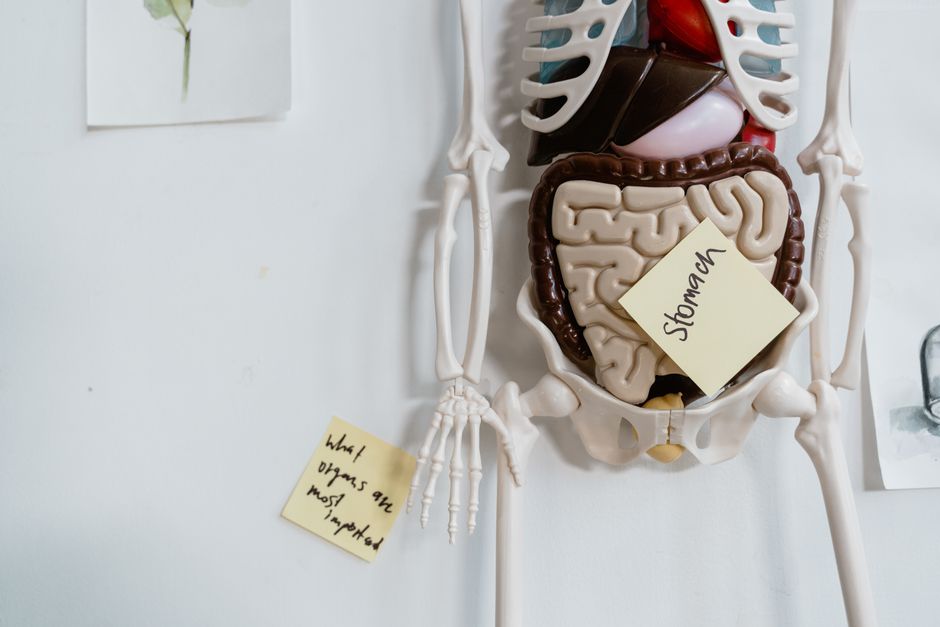
The left lower side of your abdomen holds several important organs, including the final section of your colon, part of your small intestine, and — in women — the left ovary and fallopian tube. Pain in this area is common and can range from a harmless gas cramp to a medical emergency like appendicitis or a ruptured ovarian cyst. Because several different organs sit close together here, doctors must consider multiple possibilities when you feel pain in this specific spot.
What Organs Are Actually Located On The Left Lower Side?
The left lower quadrant of the abdomen is a busy area. Understanding what lives there helps you make sense of what could be causing discomfort.
The descending colon runs down the left side of your abdomen. It connects to the sigmoid colon, which is the S-shaped final section of the large intestine before the rectum. This is where stool becomes more solid and where diverticula — small pouches that can form in the colon wall — most commonly develop.
Your left ureter also passes through this area. This thin tube carries urine from the left kidney down to the bladder. A kidney stone traveling through this tube can cause sharp, severe pain that radiates into the lower left abdomen and groin.
In women, the left ovary and left fallopian tube sit in this region. These structures can cause pain during ovulation, with menstrual cycles, or if a cyst ruptures or twists. In men, the left spermatic cord passes through this area, though testicular issues typically cause pain lower down.
Part of your small intestine also loops through this region. The small intestine fills most of the central and lower abdomen, so conditions like Crohn’s disease or a bowel obstruction can produce pain here.
What Does Pain In The Left Lower Abdomen Usually Mean?
The most common causes of left lower abdominal pain are related to the digestive tract. Constipation is perhaps the most frequent culprit. When stool builds up in the descending or sigmoid colon, it stretches the bowel wall and causes cramping or a dull ache. This pain often improves after a bowel movement.
Diverticulitis is another leading cause. Diverticula are small bulging pouches that can form in weakened spots of the colon wall. When one of these pouches becomes inflamed or infected, it produces pain that is typically constant and localized to the left lower abdomen. The pain may worsen with movement or when you press on the area. Fever, nausea, and changes in bowel habits often accompany diverticulitis.
Gas and bloating can also cause sharp, shifting pains. Gas that becomes trapped in the colon can produce cramps that come and go. This type of pain rarely stays in one spot and often moves as the gas passes through your system.
In women, ovulation pain — sometimes called mittelschmerz — can cause a brief, sharp pain on one side of the lower abdomen. This occurs mid-cycle when an egg is released from the ovary. The pain typically lasts only a few minutes to a few hours. Ovarian cysts can also cause pain if they grow large, rupture, or cause the ovary to twist — a condition called ovarian torsion that requires urgent medical care.
When Is Left Lower Abdominal Pain An Emergency?
Some causes of left lower abdominal pain require immediate medical attention. You should seek emergency care if the pain is severe, sudden, or worsening. Pain accompanied by fever, chills, persistent vomiting, or blood in your stool also warrants urgent evaluation.
While appendicitis typically causes pain on the right side, the appendix can occasionally sit in an atypical position. Some people — particularly pregnant women — experience appendicitis pain in unusual locations. Do not assume left-sided pain cannot be appendicitis.
Ectopic pregnancy is a life-threatening emergency that can cause left lower abdominal pain in women of childbearing age. This occurs when a fertilized egg implants outside the uterus, usually in a fallopian tube. The pain may be sharp or crampy and is often accompanied by vaginal bleeding. If a fallopian tube ruptures, the pain becomes severe and can cause dizziness or fainting from internal bleeding.
Intestinal obstruction is another emergency. A blockage in the bowel causes severe cramping, abdominal swelling, vomiting, and the inability to pass gas or stool. This condition requires hospitalization and sometimes surgery.
Strangulated hernia occurs when a portion of intestine becomes trapped and its blood supply is cut off. This produces severe, constant pain and requires emergency surgery. If you have a known hernia and develop sudden worsening pain, seek care immediately.




What Are The Less Common Causes Of Left Lower Pain?
Several less common conditions can produce pain in this region. Inflammatory bowel disease — which includes Crohn’s disease and ulcerative colitis — can cause chronic or recurring left lower abdominal pain. This pain often comes with diarrhea, bloody stools, weight loss, and fatigue.
Kidney stones can cause pain that starts in the flank — the side of your back — and radiates downward and forward into the lower abdomen. The pain typically comes in waves and is severe. You may notice blood in your urine or feel a frequent, urgent need to urinate.
Irritable bowel syndrome is a functional disorder that causes cramping, bloating, and changes in bowel habits without visible damage to the intestine. The pain often improves after a bowel movement. This condition is common and not dangerous, but it can significantly affect quality of life.
Endometriosis in women occurs when tissue similar to the uterine lining grows outside the uterus. This can cause chronic pelvic pain that worsens around menstruation. The pain may be on one side or both sides of the lower abdomen.
Musculoskeletal pain is sometimes mistaken for organ pain. A pulled abdominal muscle or a problem with the lower spine can refer pain to the left lower abdomen. This pain often worsens with specific movements or positions rather than with eating or bowel movements.
How Do Doctors Figure Out The Cause?
A doctor will start by asking about your pain — when it started, what makes it better or worse, and whether you have other symptoms like fever, nausea, or changes in your bowel habits. They will then press on your abdomen to check for tenderness, guarding, or rebound pain — pain that worsens when pressure is released.
Based on your symptoms, the doctor may order blood tests to check for signs of infection or inflammation. A urine test can identify a urinary tract infection or kidney stones. Imaging studies such as a CT scan or ultrasound can show the appendix, colon, ovaries, and other structures in detail.
A CT scan is often the most useful test for evaluating left lower abdominal pain because it can visualize most of the organs in this region at once. However, doctors try to limit CT scans when possible because they involve radiation. Ultrasound is often used first in women of childbearing age because it can evaluate the ovaries and pregnancy status without radiation.
What Can You Do At Home For Mild Pain?
If your pain is mild, comes and goes, and you have no fever, vomiting, or other concerning symptoms, you can try some home measures. Heat applied to the area can help relax muscle spasms and ease cramping. A warm bath or a heating pad on a low setting may provide relief.
Staying hydrated and eating a high-fiber diet can help prevent constipation, which is a common cause of left lower pain. Gentle movement and walking can help move gas through your digestive tract. Over-the-counter gas relief products containing simethicone may help if trapped gas is the cause.
Do not take laxatives if you have severe or persistent pain without knowing the cause. If you have a bowel obstruction, laxatives can make the problem worse. Similarly, do not take pain medication that masks your symptoms if the pain is severe enough that you might need medical evaluation — pain medication can hide important clues your doctor needs.
Frequently Asked Questions
Can gas cause pain in the left lower abdomen?
Yes. Trapped gas in the descending or sigmoid colon can cause sharp, crampy pain on the left lower side. This pain typically moves or resolves after passing gas or having a bowel movement.
Is left lower abdominal pain a sign of appendicitis?
Appendicitis usually causes pain on the right lower side, but the appendix can occasionally sit in an atypical position. If you have severe, worsening pain on either side with fever or vomiting, seek emergency care.
What does diverticulitis pain feel like?
Diverticulitis typically causes constant, localized pain in the left lower abdomen that worsens with movement or pressure. Fever, nausea, and changes in bowel habits often accompany the pain.
When should I go to the ER for left lower abdominal pain?
Go to the emergency room if the pain is severe, sudden, or worsening, or if you have fever, persistent vomiting, blood in your stool, or dizziness. Women who may be pregnant should seek urgent care for any new lower abdominal pain.
