
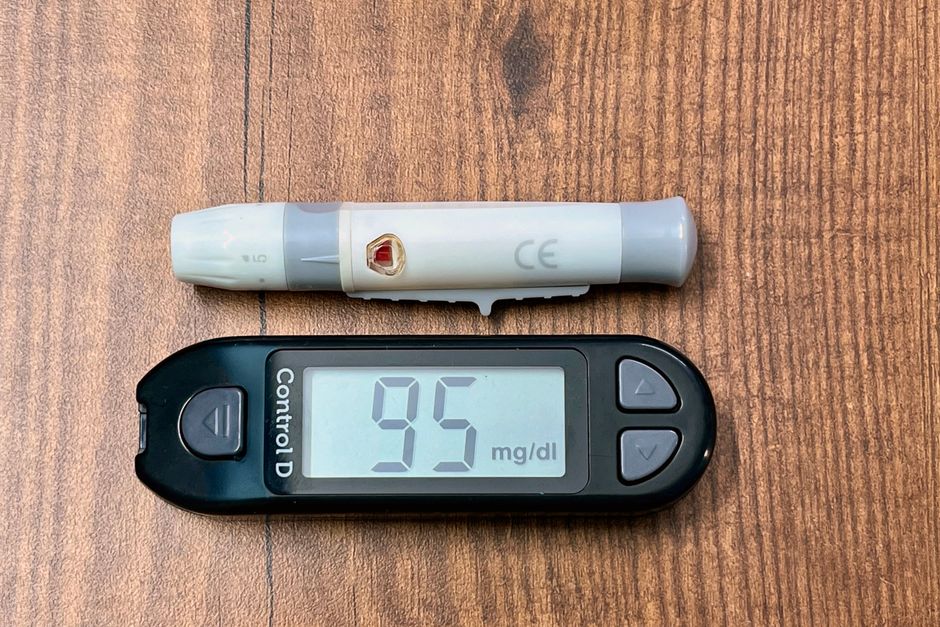
Your blood sugar rises after every meal. That is normal and expected. The question is how high it should go and how quickly it should come back down. For most healthy adults, blood sugar peaks about 60 to 90 minutes after eating and returns to pre-meal levels within 2 to 3 hours. A reading under 180 mg/dL two hours after a meal is generally considered normal, though many healthy people never go above 140 mg/dL.
What Is Normal Blood Sugar Immediately After Eating?
Normal blood sugar immediately after eating depends on when you measure it. Right as you finish a meal, your glucose is still climbing. The true peak usually arrives later. For most people without diabetes, the peak stays below 180 mg/dL and often below 140 mg/dL.
Doctors rarely measure blood sugar at the exact moment you finish eating. The number is not useful because it is still rising. The standard clinical measurement is taken 2 hours after the start of a meal. At that point, a reading under 140 mg/dL is normal for people without diabetes. Readings between 140 and 199 mg/dL suggest prediabetes. A reading of 200 mg/dL or higher indicates diabetes.
How Your Body Controls Blood Sugar After Meals
When you eat carbohydrates, your digestive system breaks them down into glucose. That glucose enters your bloodstream. Rising blood sugar signals your pancreas to release insulin. Insulin acts like a key, opening cells so glucose can enter and be used for energy or stored.
In a healthy person, this system works quickly. Insulin peaks within 30 to 60 minutes after eating. Blood sugar follows a predictable curve: it rises, peaks, then falls back to baseline. The speed of that fall matters as much as the height of the peak.
People with type 2 diabetes produce insulin but their cells resist it. The pancreas works harder to compensate. Over time, the pancreas may not keep up. This is why blood sugar stays higher longer after meals in people with diabetes.
What Factors Affect Your Blood Sugar Response
Not all meals affect blood sugar the same way. Several factors determine how high your glucose climbs and how fast it drops.
The type of carbohydrate matters. Simple sugars like those in soda or candy enter the bloodstream quickly. Complex carbohydrates like whole grains digest more slowly. Fiber slows digestion further, which flattens the blood sugar curve.
Protein and fat slow stomach emptying. A meal with chicken and vegetables will produce a slower, lower glucose rise than the same amount of carbohydrate eaten alone. This is why balanced meals are recommended for blood sugar management.
Your muscle mass matters. Muscle tissue is a major consumer of glucose. People with more muscle mass tend to clear glucose from their blood faster after meals.
Physical activity before or after a meal improves insulin sensitivity. Even a short walk after eating can lower the peak blood sugar reading.
Sleep quality and stress levels also influence glucose metabolism. Poor sleep and chronic stress raise cortisol, which can increase blood sugar.



How to Measure Your Blood Sugar After Eating
Home glucose meters are accurate enough for routine monitoring. They measure capillary blood from a finger prick. Laboratory tests measuring venous blood are more precise, but home meters are adequate for day-to-day tracking.
If you want to know how your body responds to food, take a reading before the meal and again 2 hours after your first bite. The 2-hour mark is the standard used in clinical guidelines. Some people also check at 1 hour to see their peak, but this is less standardized.
Continuous glucose monitors (CGMs) offer a more complete picture. These small sensors sit under the skin and measure glucose every few minutes. They show the full curve — when your sugar rises, how high it peaks, and how long it stays elevated. CGMs were once used mainly by people with diabetes. More people without diabetes now use them to understand their metabolic health.
If you do not have diabetes, occasional home testing can be informative. But frequent testing without medical guidance can create unnecessary anxiety. A single high reading after a large meal does not mean you have diabetes.
When Blood Sugar Stays Too High After Eating
Persistent post-meal spikes above 180 mg/dL are a sign that glucose regulation is not working well. Over time, repeated high readings damage blood vessels and nerves. This damage increases the risk of heart disease, kidney disease, and vision problems.
Post-meal hyperglycemia — high blood sugar after eating — is often the first sign of insulin resistance. Fasting blood sugar can remain normal for years while post-meal readings climb. This is why some doctors now check hemoglobin A1c, which reflects average blood sugar over the past 2 to 3 months.
If you see repeated readings above 180 mg/dL after meals, talk to your doctor. They can order an oral glucose tolerance test or an A1c test to determine whether you have prediabetes or diabetes. Early detection matters because lifestyle changes can often reverse prediabetes.
Reactive Hypoglycemia: When Blood Sugar Drops Too Low After Eating
Some people experience the opposite problem. Their blood sugar rises after a meal, then crashes below normal 2 to 4 hours later. This is called reactive hypoglycemia.
Symptoms include shakiness, sweating, confusion, irritability, and sudden hunger. These symptoms occur when blood sugar falls below 70 mg/dL. Reactive hypoglycemia is more common in people who eat meals high in refined carbohydrates and in those with early insulin resistance.
The exact cause is not fully understood. One theory is that the body releases too much insulin in response to a rapid glucose rise. The excess insulin drives blood sugar down too far. Some research also links reactive hypoglycemia to gastric surgery, which changes how quickly food empties into the intestine.
If you experience these symptoms regularly, eat smaller meals with more protein and fiber. Avoid large amounts of sugar on an empty stomach. If symptoms persist or are severe, see a doctor to rule out other conditions.
How to Keep Post-Meal Blood Sugar in a Healthy Range
You cannot control every factor that affects blood sugar. Genetics and age play a role. But several strategies are backed by solid evidence.
Eat fiber with every meal. Fiber slows carbohydrate absorption. Vegetables, legumes, whole fruits, and whole grains are good sources. Aim for a variety rather than a single source.
Pair carbohydrates with protein or fat. This combination slows digestion and produces a flatter glucose curve. For example, add nuts to fruit or eggs to toast.
Move after meals. A 10 to 15 minute walk after eating improves glucose uptake by muscles. The effect is strongest when the walk happens within 30 minutes after the meal.
Watch portion sizes. A large serving of any carbohydrate will raise blood sugar more than a small serving. Portion control is not about eliminating foods. It is about matching the amount to what your body can handle.
Stay hydrated. Dehydration concentrates blood glucose. Water helps your kidneys flush excess glucose through urine.
Prioritize sleep. One night of poor sleep can reduce insulin sensitivity the next day. Chronic sleep deprivation is linked to higher average blood sugar levels.
Blood Sugar Targets for People With Diabetes
Targets differ for people who already have diabetes. The American Diabetes Association recommends a post-meal glucose target under 180 mg/dL for most adults with diabetes. This is measured 1 to 2 hours after the start of a meal.
These targets are individualized. A younger person with newly diagnosed diabetes might aim for tighter control. An older person with multiple health conditions might have a slightly higher target to avoid dangerous low blood sugar events.
If you have diabetes, your doctor should set your specific targets. Do not adjust your medication based on home glucose readings without medical supervision. The goal is to find a range that protects your health without causing frequent hypoglycemia.
Blood Sugar After Eating vs. Fasting Blood Sugar
Fasting blood sugar and post-meal blood sugar measure different things. Fasting glucose reflects your body’s baseline regulation. It is measured after 8 hours without food. Normal fasting glucose is between 70 and 99 mg/dL.
Post-meal glucose tests how well your body handles a glucose load. It is a stress test for your metabolic system. Some people have normal fasting glucose but elevated post-meal glucose. Others have the reverse pattern.
Both numbers matter. Fasting glucose can be normal for years while post-meal spikes indicate developing insulin resistance. This is why a single fasting test is not enough to rule out diabetes or prediabetes.
Frequently Asked Questions
What is a normal blood sugar level 1 hour after eating?
Most healthy adults peak below 140 to 180 mg/dL about 60 to 90 minutes after eating. A reading above 180 mg/dL at 1 hour suggests impaired glucose tolerance.
Is 160 blood sugar normal after eating?
A reading of 160 mg/dL after eating is above the normal peak for most healthy people but not diagnostic of diabetes. Your doctor can determine if this pattern indicates prediabetes.
How long after eating should blood sugar return to normal?
Blood sugar typically returns to pre-meal levels within 2 to 3 hours in healthy people. If it stays elevated beyond 3 hours, glucose regulation may be impaired.
What is a dangerous blood sugar level after eating?
A post-meal reading of 200 mg/dL or higher on two separate occasions indicates diabetes. Readings consistently above 180 mg/dL warrant medical evaluation.
