

Feeling shaky, sweaty, and lightheaded can be frightening, especially when your blood sugar test shows a completely normal number. This condition is real, and it is not in your head. You can experience classic hypoglycemia symptoms even when your measured blood glucose sits squarely in the healthy range, and the explanation comes down to how your body responds to changes in sugar rather than the absolute number on the meter.
What Counts as a Normal Blood Sugar Level?
For most healthy adults, a fasting blood sugar between 70 and 99 mg/dL is considered normal. After a meal, blood sugar typically rises but should stay below 140 mg/dL. These ranges are well established and used by clinicians worldwide to diagnose diabetes and prediabetes.
True hypoglycemia is defined as blood sugar below 70 mg/dL. When your blood sugar drops below that threshold, your body releases hormones like adrenaline to raise it back up. That adrenaline surge causes the classic symptoms: sweating, shaking, rapid heartbeat, and anxiety.
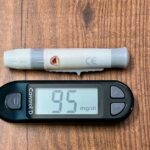
But some people experience those same symptoms with blood sugar readings of 90 or even 100 mg/dL. The number looks fine on paper, yet the body is behaving as if it is starving for glucose.
Why Do I Feel Hypoglycemic With Normal Blood Sugar?
The most common explanation is a rapid drop in blood sugar, not a low absolute value. Your body can react to the rate of change rather than the actual number. If your blood sugar spikes after a high-carbohydrate meal and then falls quickly, even a fall that stays within the normal range can trigger hypoglycemia symptoms.
Think of it like a thermostat. Your body has a set point it prefers. When blood sugar falls rapidly from 140 to 90, the brain interprets that as an emergency even though 90 is perfectly healthy. The hormonal alarm system fires, and you feel the symptoms of low blood sugar without actually being low.
Another factor involves how your cells take up glucose. Some people have a heightened sensitivity to insulin, the hormone that moves sugar from the bloodstream into cells. If your cells absorb glucose rapidly, your blood sugar can dip more quickly than usual after eating, triggering symptoms even when the dip is modest.
What Is Reactive Hypoglycemia?
Reactive hypoglycemia is the medical term for low blood sugar symptoms that occur two to four hours after a meal. It happens most often after eating a meal high in refined carbohydrates like white bread, sugary drinks, or sweets.
Here is the sequence: you eat a large carbohydrate load, your blood sugar rises quickly, your pancreas releases a large amount of insulin to handle it, and that insulin overshoots. The excess insulin drives blood sugar down faster than it should, sometimes producing symptoms even when the final number is above 70 mg/dL.
This condition is not diabetes, and most people with reactive hypoglycemia have normal fasting blood sugar and normal hemoglobin A1c levels. It is a functional issue with how your body handles carbohydrate loads, not a problem with your baseline glucose regulation.
Some research suggests that people who have had gastric bypass surgery are more prone to this pattern because food moves through the digestive system much faster. But for most people, reactive hypoglycemia is simply a response to dietary patterns rather than an underlying disease.



Other Causes of Hypoglycemia Symptoms With Normal Glucose
Not every episode of shakiness and sweating is about blood sugar dynamics. Several other conditions can mimic hypoglycemia perfectly, and they are worth considering before you assume your glucose metabolism is the problem.
Anxiety and panic attacks produce nearly identical symptoms. Rapid breathing, chest tightness, sweating, and trembling are hallmarks of both panic and hypoglycemia. The difference is that anxiety symptoms often come on in specific situations while hypoglycemia symptoms typically follow meals.
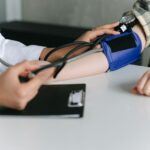
Low blood pressure can cause dizziness and lightheadedness that feels like low blood sugar. If you stand up quickly and feel faint, that is orthostatic hypotension, not hypoglycemia. Blood pressure and blood sugar are separate systems, but the symptoms overlap significantly.
Dehydration and electrolyte imbalances can also produce weakness, fatigue, and confusion. Many people mistake these symptoms for low blood sugar because they have heard that feeling shaky means their sugar is low.
Hormonal changes during the menstrual cycle or perimenopause can cause blood sugar fluctuations and symptoms that mimic hypoglycemia. Estrogen and progesterone influence how your body responds to insulin, and some women notice cyclical patterns of shakiness and fatigue.
Certain medications, including some blood pressure drugs and antibiotics, can cause symptoms that feel like hypoglycemia. If you started a new medication around the time your symptoms began, that is a relevant clue.
How Is This Diagnosed?
Diagnosing reactive hypoglycemia or false hypoglycemia requires more than a single blood sugar reading. Your doctor will likely ask about your symptom pattern, what you ate before episodes, and whether symptoms resolve after eating.
A key diagnostic tool is checking blood sugar during an episode. If you feel shaky and your blood sugar is 95, that points toward a rate-of-change issue or another cause entirely. If your blood sugar is below 70 during symptoms and eating makes you feel better, that supports true hypoglycemia.
Your doctor may recommend a mixed meal test or an oral glucose tolerance test that extends over several hours. These tests measure how your blood sugar responds to food over time rather than at a single point. This can reveal whether your blood sugar is dropping rapidly after meals even if it never reaches a dangerously low level.
Some clinicians recommend a continuous glucose monitor for a few weeks to capture patterns. These devices measure blood sugar every few minutes and can show rapid fluctuations that a single fingerstick test would miss. This approach is increasingly common and can be very informative.
What Can You Do About It?
The most effective strategy for reactive hypoglycemia symptoms is changing how and what you eat. This is not about extreme dieting; it is about smoothing out the peaks and valleys in your blood sugar.
Eating smaller, more frequent meals can help. Instead of three large meals, try four or five smaller ones spaced throughout the day. This prevents the large blood sugar spikes that trigger the insulin overshoot.
Pair carbohydrates with protein and fat. A piece of fruit alone will spike your blood sugar faster than fruit with nuts or cheese. Protein and fat slow down digestion, which slows the absorption of sugar into your bloodstream. This produces a gentler rise and a gentler fall.
Choose complex carbohydrates over refined ones. Whole grains, legumes, and vegetables break down more slowly than white bread, white rice, and sugary snacks. The slower breakdown means your body has time to respond without overproducing insulin.
Regular physical activity helps your cells become more sensitive to insulin. When your cells respond efficiently to insulin, your pancreas does not need to produce as much of it, which reduces the likelihood of overshooting after meals.
If anxiety is contributing to your symptoms, breathing exercises and other relaxation techniques can help. When you feel an episode coming on, slow your breathing and remind yourself that your blood sugar is not dangerously low. This can break the cycle of symptoms causing anxiety and anxiety worsening symptoms.
When Should You See a Doctor?
Occasional episodes of shakiness after a heavy carbohydrate meal are common and usually not dangerous. But you should see a doctor if symptoms are frequent, severe, or interfering with your daily life.
Seek medical attention promptly if you experience confusion, difficulty speaking, weakness on one side of your body, or loss of consciousness. These symptoms can indicate a more serious condition that requires evaluation.
If you have been diagnosed with diabetes and are taking insulin or sulfonylurea medications, any hypoglycemia symptoms should be taken seriously. For people on these medications, symptoms can indicate genuinely low blood sugar that needs immediate treatment, regardless of what a previous reading showed.
Your doctor can help determine whether your symptoms are related to blood sugar dynamics, anxiety, blood pressure, or another cause entirely. The treatment will depend on the underlying issue, and guessing can lead to months of unnecessary dietary restrictions or worry.
Frequently Asked Questions
Can you feel hypoglycemic if your blood sugar is normal?
Yes, you can feel hypoglycemic with a normal blood sugar reading. This usually happens when your blood sugar drops rapidly from a higher level, even if the final number stays in the normal range.
What does reactive hypoglycemia feel like?
Reactive hypoglycemia feels like shakiness, sweating, rapid heartbeat, and anxiety that starts two to four hours after eating. Symptoms typically improve after eating a small snack.
How do I stop feeling hypoglycemic all the time?
Eating smaller meals with protein, fat, and complex carbohydrates can prevent the blood sugar spikes and drops that trigger symptoms. Regular exercise and stress management also help stabilize blood sugar patterns.
Is reactive hypoglycemia a sign of diabetes?
Reactive hypoglycemia is not diabetes, but it can be an early sign of blood sugar regulation problems. Some people with reactive hypoglycemia later develop type 2 diabetes, so it is worth discussing with your doctor.
