
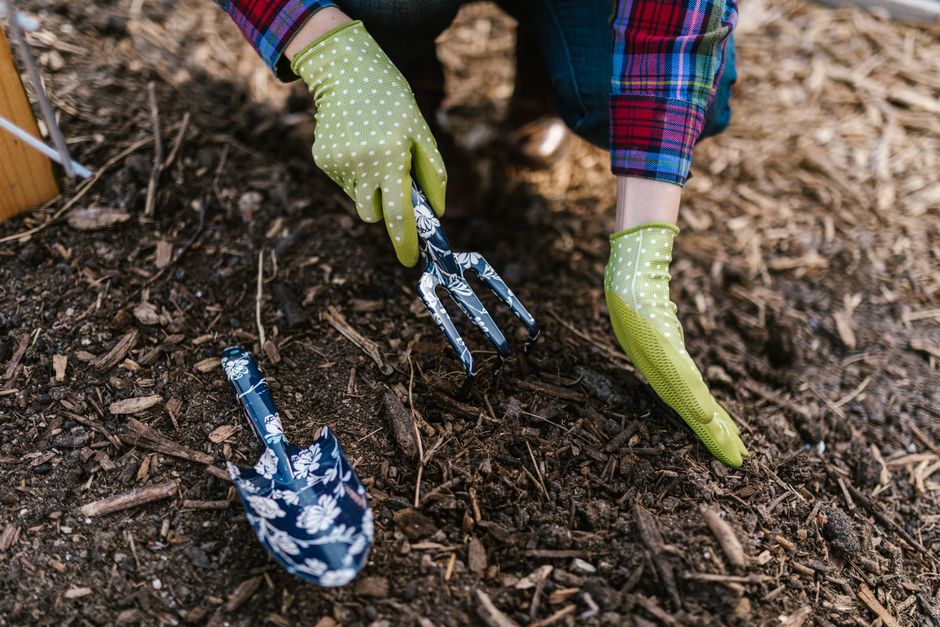
Mulch is any material spread over the surface of the soil to protect it and improve the area around plants. It controls weeds, holds moisture in the ground, and keeps soil temperature steady. You apply it by spreading a layer over bare soil, usually 2 to 3 inches deep, while keeping it away from plant stems and tree trunks.
What Is Mulch Used For Benefits How To Apply?
Mulch serves several practical jobs in a garden or landscape. The most common benefit is moisture retention. A layer of mulch slows evaporation, so the soil stays damp longer between waterings. This matters most in hot summer months or during dry spells.
Weed control is another major job. A thick enough layer blocks sunlight from reaching weed seeds, which stops many of them from sprouting. The mulch also acts as a physical barrier that makes it harder for weeds to push through.
Soil temperature stays more even under mulch. In summer, it keeps the ground cooler. In winter, it insulates the soil and protects plant roots from freezing and thawing cycles. This is especially helpful for perennial plants and shrubs.
As organic mulches break down, they add nutrients to the soil and improve its structure. This feeds earthworms and beneficial microbes. Over time, the soil becomes richer and better at holding both water and air.
Mulch also prevents erosion. Rain and wind hit the mulch layer first instead of bare soil, so the soil stays in place. On slopes, this is particularly important.
Finally, mulch gives landscapes a finished, tidy look. It creates a uniform background that makes plants stand out. Many gardeners choose mulch for appearance alone.
What Are the Main Types of Mulch?
Mulches fall into two broad categories: organic and inorganic. Organic mulches come from living things and break down over time. Inorganic mulches do not decompose and stay in place for years.
Organic mulches include wood chips, bark nuggets, shredded bark, straw, pine needles, grass clippings, shredded leaves, and compost. These improve soil as they decompose. The tradeoff is that they need to be replenished every year or two as they break down.
Inorganic mulches include gravel, pebbles, landscape fabric, and rubber mulch. These do not improve soil. They are often used in paths, rock gardens, or areas where a permanent surface is wanted. They do not need replacing as often, but they also do not add any nutrients.
Wood chips and shredded bark are the most popular choices for home landscapes. They last a long time, look natural, and are widely available. Straw and pine needles work well in vegetable gardens and around acid-loving plants like blueberries.
Compost is a special case. It works as a mulch and also feeds the soil quickly. Many gardeners use compost as a top dressing in spring, then add a longer-lasting mulch like wood chips over it.
How Deep Should Mulch Be Applied?
The ideal depth depends on the material. For most wood mulches, 2 to 3 inches is right. This is enough to block weeds and hold moisture without smothering plant roots.
Too much mulch causes real problems. A layer deeper than 4 inches can trap too much water against plant stems, which leads to rot. It can also prevent oxygen from reaching the soil. Plant roots need air, and a thick, soggy layer of mulch can suffocate them.
Fine materials like grass clippings or shredded leaves should be applied thinner, around 1 to 2 inches. They mat down and can form a barrier that water cannot penetrate. Coarse materials like pine bark nuggets can go a bit deeper, up to 3 to 4 inches, because they have larger air spaces.
One critical rule applies to all mulch types: never pile it against tree trunks or plant stems. This is called “volcano mulching” when done around trees, and it is harmful. The mulch traps moisture against the bark, which invites insects and disease. It also encourages roots to grow up into the mulch instead of down into the soil. Keep mulch a few inches away from trunks and stems.




When Is the Best Time to Apply Mulch?
Late spring is the most common time to mulch. The soil has warmed up, and plants are starting to grow actively. Mulching too early in spring can keep the ground cold and slow down plant growth.
In cold climates, a second application in late fall can protect perennial roots from winter damage. The mulch acts as a blanket that keeps the soil temperature more stable through freezing and thawing cycles.
New plantings should be mulched immediately after planting. This helps the young plants establish by holding moisture and keeping the soil temperature steady. The same applies to newly planted trees and shrubs.
Before applying mulch, check the existing layer. If last year’s mulch is still 2 inches deep, you do not need to add more. Many gardeners make the mistake of adding fresh mulch every spring on top of the old layer, which slowly buries plants over time. If the old mulch has mostly broken down, add a fresh layer. If it is still intact, skip it or add only a thin layer.
What Are Common Mulch Mistakes to Avoid?
The biggest mistake is applying mulch too thickly. A 6-inch layer looks impressive but harms plants. Stick to 2 to 3 inches for most materials.
Piling mulch against tree trunks is the second most common error. This creates a moist environment that rots the bark and invites pests. It also creates a hiding place for rodents that chew on the trunk during winter.
Using fresh, un-composted wood chips directly in vegetable gardens can be a problem. As fresh wood breaks down, it temporarily uses up nitrogen in the soil. This can leave vegetables short of this essential nutrient. Aged wood chips or compost are safer choices for vegetable beds.
Some gardeners worry about termites in wood mulch. The evidence here is limited. Mulch can create moist conditions that termites like, but it is rarely the source of an infestation. If termites are a known problem in your area, keep mulch away from the foundation of your house and use a less attractive material like gravel near the structure.
Dyed mulches are popular for their uniform color. They are generally safe to use, but they do not provide any extra benefit over undyed mulch. The dye fades over time, and the mulch still breaks down at the same rate.
Does Mulch Attract Pests or Cause Other Problems?
Mulch can provide shelter for insects, slugs, and rodents. This is a tradeoff that comes with any ground cover. The benefits of moisture retention and weed control usually outweigh this risk, but it is worth knowing.
Slugs and snails love damp, dark places, and a thick mulch layer qualifies. If you have a slug problem in a vegetable garden, consider using a thinner layer or a coarser material that dries out faster.
Rodents like voles and mice can tunnel under mulch. This is most concerning in winter when they chew on tree bark under the protective cover of snow and mulch. Keeping mulch a few inches away from tree trunks reduces this risk.
Some mulches can carry weed seeds. Straw and hay are the most common culprits. If you use straw, try to get a source that is relatively weed-free. Shredded leaves can also contain weed seeds if the leaves came from weedy areas.
How Does Mulch Affect Soil Health Over Time?
Organic mulch breaks down and becomes part of the soil. This adds organic matter, which improves soil structure. Soil with more organic matter holds water better, drains better, and provides a healthier environment for roots.
This process takes time. A single application of mulch does not transform poor soil overnight. But year after year, a steady supply of decomposing organic matter builds healthier soil. This is one reason many experienced gardeners consider mulch a long-term investment in their garden.
The breakdown rate depends on the material. Shredded leaves and grass clippings break down quickly, sometimes within a season. Bark nuggets and large wood chips take much longer, often two to three years. Fine shredded bark falls somewhere in between.
Compost as mulch feeds the soil fastest. It is already decomposed, so its nutrients are available to plants almost immediately. Using compost as a top dressing in spring gives plants a slow-release nutrient boost throughout the growing season.
Can Mulch Be Used in Vegetable Gardens?
Yes, mulch works well in vegetable gardens, but the material choice matters. Straw is a classic choice because it is light, easy to spread, and breaks down into good organic matter. Shredded leaves also work well.
Compost is excellent for vegetable beds. It feeds the soil while protecting it. Many gardeners apply a 1 to 2 inch layer of compost in spring, then plant directly into it.
Aged wood chips can be used in paths between vegetable beds, but avoid working them into the soil. Plastic mulch is used commercially in vegetable production to warm the soil and control weeds, but it is less common in home gardens.
One caution: avoid fresh grass clippings as mulch in vegetable gardens. They can mat down, smell as they decompose, and generate heat as they break down. If you use grass clippings, let them dry first and apply them in a thin layer.
Frequently Asked Questions
How often should I replace mulch?
Most organic mulches need refreshing once a year. Check the depth each spring and add more only if the layer has thinned to less than 2 inches.
Is black mulch safe for plants?
Dyed mulches, including black, are generally safe for plants. The dye is usually carbon-based or iron oxide, which does not harm soil or plant roots.
Should I remove old mulch before adding new?
No, you can leave the old mulch in place if it has broken down. Just add a fresh layer on top to bring the total depth back to 2 or 3 inches.
Can mulch catch fire?
Mulch can catch fire if exposed to extreme heat sources like discarded cigarettes or hot equipment. Keep mulch away from buildings and avoid piling it deeper than 3 inches near structures.
