
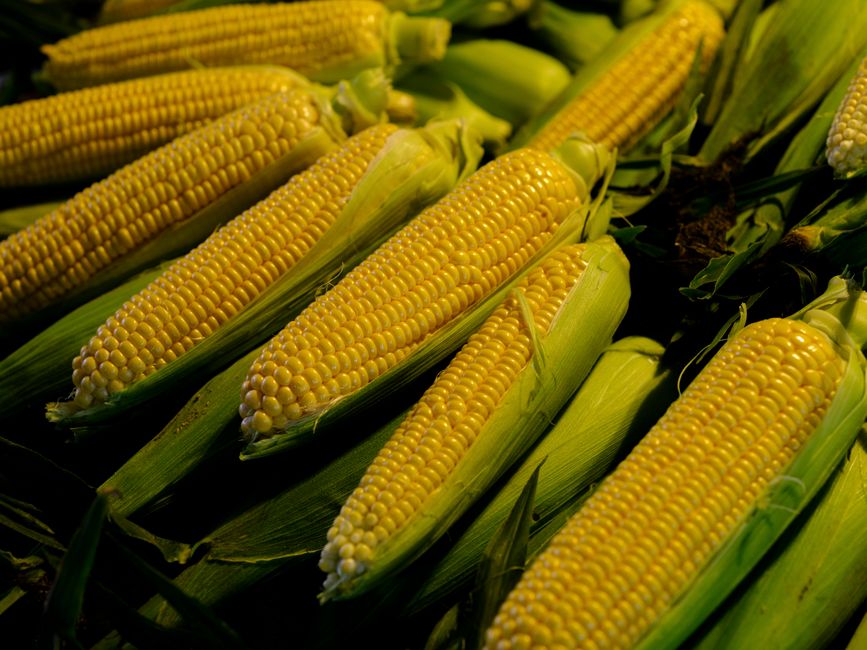
Corn often gets a bad reputation. Many people see it as a starchy filler or an unhealthy additive in processed foods. But the truth is more balanced. Corn is a whole grain vegetable that provides real nutritional value. It contains fiber, vitamins, minerals, and beneficial plant compounds. While it is not a superfood, corn is a legitimate source of energy and nutrients that can fit into a healthy diet.
What Nutrients Are Actually in Corn?
Corn is a complex carbohydrate. A standard serving of cooked sweet corn provides a meaningful amount of several nutrients. It is naturally low in fat and contains no cholesterol.
One medium ear of sweet corn (about 90 grams) contains roughly 80-90 calories. It provides about 3 grams of protein and 2 grams of fiber. The fiber in corn is mostly insoluble fiber, which adds bulk to stool and supports regular bowel movements.
Corn is also a good source of several vitamins. It contains B vitamins, especially thiamine (B1) and folate (B9). These support energy metabolism and red blood cell formation. Corn provides small amounts of vitamin C, an antioxidant that supports immune function and skin health.
On the mineral side, corn offers magnesium, phosphorus, and potassium. Magnesium supports muscle and nerve function. Potassium helps regulate blood pressure. These minerals matter for daily bodily functions, and corn contributes a modest but real amount.
Does Corn Count as a Vegetable or a Grain?
This is a common point of confusion. Corn is botanically a grain, but it is consumed and classified in different ways depending on its form.
Fresh sweet corn is classified as a starchy vegetable by the USDA. This includes corn on the cob, frozen corn kernels, and canned corn. Dried corn, popcorn, and cornmeal are classified as grains. Popcorn is considered a whole grain.
This distinction matters for dietary planning. Starchy vegetables like corn, peas, and potatoes are grouped together in nutritional guidance. They are more calorie-dense than non-starchy vegetables like broccoli or spinach, but they still provide valuable nutrients.
The whole grain form of corn is particularly beneficial. Whole grain corn products retain the bran, germ, and endosperm. This means they keep the fiber and nutrients intact. Refined corn products, like corn syrup or degerminated cornmeal, have removed these parts and offer far less nutritional value.
What About Corn and Blood Sugar?
Corn has a moderate to high glycemic index. This means it can raise blood sugar levels fairly quickly compared to some other vegetables. The exact effect depends on the form of corn and what you eat with it.
Sweet corn has a glycemic index around 52-60, which is considered moderate. Popcorn has a similar range. Cornmeal and corn tortillas can vary depending on processing. Refined corn products like cornflakes have a higher glycemic index.
For people with diabetes or prediabetes, portion control matters. A half-cup serving of corn is a reasonable portion. Pairing corn with protein or healthy fat can slow digestion and reduce blood sugar spikes. Adding beans, chicken, or avocado to a corn-based dish helps balance the meal.
Corn is not inherently unhealthy for blood sugar. It is a carbohydrate, and carbohydrates affect blood sugar. The key is portion size and what you eat alongside it.



Are There Antioxidants in Corn?
Yes. Yellow corn contains carotenoids, specifically lutein and zeaxanthin. These are plant pigments that act as antioxidants in the body.
Lutein and zeaxanthin are notable because they concentrate in the retina of the eye. Research has consistently shown that higher intake of these carotenoids is associated with a lower risk of age-related macular degeneration. This is one of the leading causes of vision loss in older adults.
Corn also contains ferulic acid, a phenolic compound with antioxidant properties. Some research suggests ferulic acid may have anti-inflammatory effects, though human studies are more limited than animal studies.
It is worth noting that white corn contains far fewer carotenoids than yellow corn. The yellow color is the direct result of these pigments. If you are eating corn for eye health benefits, yellow corn is the better choice.
Does Corn Provide Resistant Starch?
Corn is a source of resistant starch, a type of starch that resists digestion in the small intestine. Instead, it reaches the colon where gut bacteria ferment it.
This fermentation produces short-chain fatty acids, particularly butyrate. Butyrate serves as fuel for the cells lining the colon. Some research suggests this supports gut health and may reduce inflammation in the digestive tract.
The resistant starch content in corn depends on how it is prepared. Cooked and cooled corn has more resistant starch than freshly cooked corn. The cooling process allows the starch to retrograde, or recrystallize, into a form that is harder to digest.
This is why corn salads made with cooled kernels may offer more gut health benefit than hot corn straight off the cob. The difference is modest, but it is a real effect that has been demonstrated in food science research.
Is Corn Gluten-Free?
Yes. Corn is naturally gluten-free. This makes it a safe grain for people with celiac disease or non-celiac gluten sensitivity.
Cornmeal, corn flour, and popcorn are all gluten-free in their natural state. However, processed corn products may be contaminated with gluten during manufacturing. Some corn tortillas, cornbread mixes, or flavored popcorn may contain wheat flour or other gluten sources.
People who need to avoid gluten should check labels carefully. Look for certified gluten-free products when choosing processed corn items. Whole corn kernels, fresh or frozen, are reliably gluten-free.
This makes corn an important staple for gluten-free diets. It provides a carbohydrate source that many people with gluten intolerance can eat without issue.
How Does Corn Compare to Other Vegetables?
Corn is more calorie-dense than most vegetables. A half-cup of corn has about 60-70 calories, while a half-cup of broccoli has about 15 calories. This is not a flaw, but it is a difference to understand.
Corn provides more carbohydrates and energy than leafy greens or cruciferous vegetables. It also provides more B vitamins than many non-starchy vegetables. However, it has less vitamin C, vitamin K, and certain minerals than vegetables like spinach or kale.
Here is a quick comparison of a half-cup serving of cooked corn versus a half-cup serving of cooked broccoli:
| Nutrient | Corn (half cup) | Broccoli (half cup) |
|---|---|---|
| Calories | ~66 | ~15 |
| Carbohydrates | ~14 grams | ~3 grams |
| Fiber | ~2 grams | ~2 grams |
| Protein | ~2 grams | ~1 gram |
| Vitamin C | ~5 mg | ~40 mg |
Both vegetables are healthy. They simply serve different roles in a meal. Corn provides sustained energy. Broccoli provides high-volume nutrients with fewer calories.
What About GMOs and Pesticides in Corn?
Much of the corn grown in the United States is genetically modified. Most of this is field corn used for animal feed, ethanol, and processed food ingredients like high fructose corn syrup and corn oil.
Sweet corn, the type people eat fresh, is less likely to be genetically modified. However, some sweet corn varieties are GMO. If this is a concern, look for organic corn or corn labeled non-GMO.
Pesticide residue is a consideration with conventionally grown corn. The Environmental Working Group’s testing has found that some corn samples contain pesticide residues, though corn is generally not among the most heavily contaminated crops. Washing and cooking corn can reduce surface residues.
Organic corn is grown without synthetic pesticides and is never genetically modified. It costs more, but it is an option for people who want to minimize exposure to these inputs.
Can Corn Help with Weight Management?
Corn can be part of a weight management plan, but it is not a weight loss food. Its fiber content promotes satiety, meaning it helps you feel full. This can prevent overeating when corn is part of a balanced meal.
The fiber in corn slows digestion and adds bulk without adding many calories. A cup of corn provides about 4 grams of fiber for roughly 130 calories. This is a reasonable fiber-to-calorie ratio.
However, corn is easy to overeat. Butter, salt, and creamy sauces add significant calories. A plain ear of corn is a healthy choice. A corn dish loaded with butter and cheese is not.
Popcorn deserves special mention here. Air-popped popcorn is a whole grain with high volume and low calories. Three cups of air-popped popcorn has about 90 calories and 3.5 grams of fiber. This makes it one of the best snacks for people watching their weight, as long as it is not drenched in butter or oil.
Frequently Asked Questions
Is corn healthy or just empty calories?
Corn is a whole food with real nutritional value, including fiber, B vitamins, magnesium, and antioxidants. It is not empty calories, but it is more calorie-dense than non-starchy vegetables.
Does eating corn make you gain weight?
No single food causes weight gain on its own. Corn can fit into a weight management plan when eaten in reasonable portions without heavy additions like butter or cream.
Is corn good for people with diabetes?
Corn can be part of a diabetes-friendly diet when portion sizes are controlled and it is paired with protein or fat. A half-cup serving is a reasonable amount.
Is frozen corn as nutritious as fresh corn?
Frozen corn is nutritionally comparable to fresh corn. It is typically frozen shortly after harvest, which preserves most nutrients, including fiber and B vitamins.
