
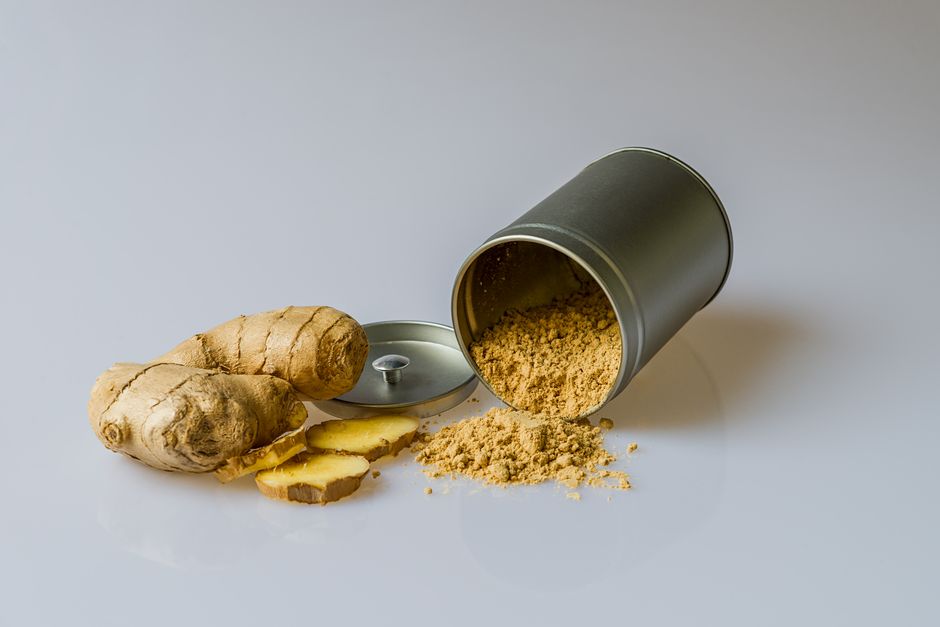
Ginger powder and fresh ginger do not have identical benefits, but both are genuinely good for you. The drying process changes some of the active compounds, so the two forms differ in potency and effect. Fresh ginger is generally stronger for nausea and digestive issues, while ginger powder is more concentrated in some anti-inflammatory compounds by weight.
What Changes When Ginger Is Dried
Fresh ginger root contains an active compound called gingerol. This is the main reason fresh ginger tastes sharp and spicy. When ginger is dried, the gingerol transforms into a different compound called shogaol. Shogaol forms when heat or drying removes a water molecule from gingerol.
This chemical change matters. Shogaol is actually more potent than gingerol in some ways. Research suggests shogaol has stronger anti-inflammatory and antioxidant effects in laboratory studies. However, the drying process also reduces the overall amount of some volatile oils that give fresh ginger its aroma and flavor.
The practical result is that dried ginger is not simply a weaker version of fresh ginger. It is a different product with a different chemical profile. Some benefits are stronger in one form, and some are stronger in the other.
Fresh Ginger for Nausea and Digestion
Fresh ginger has the strongest evidence for nausea relief. Studies have found that fresh ginger can help with pregnancy-related nausea, motion sickness, and nausea after surgery or chemotherapy.
The mechanism is not fully understood, but ginger appears to affect serotonin receptors in the gut and digestive tract. This helps settle the stomach and reduce the urge to vomit. Fresh ginger also stimulates saliva and bile production, which supports digestion.
If nausea is your main concern, fresh ginger is the better choice. You can chew a thin slice, steep it in hot water as tea, or grate it into food. The fresh form delivers the active compounds in a way that clinical research has most consistently supported.
Ginger Powder for Inflammation
Ginger powder has a stronger concentration of shogaol, which shows promise for reducing inflammation. Some research suggests shogaol is more effective than gingerol at blocking inflammatory pathways in the body.
This makes ginger powder potentially useful for muscle soreness and joint discomfort. Some studies on osteoarthritis have used ginger extracts or powdered ginger and found modest improvements in pain and stiffness.
One important note: these studies used standardized extracts or specific doses, not just whatever amount you might sprinkle on food. The evidence for everyday culinary use of ginger powder for inflammation is less clear. It may help, but the dose matters, and more is not necessarily better.
Comparing the Nutritional Content
Both forms of ginger contain similar vitamins and minerals, but the concentrations differ because drying removes water. By weight, ginger powder has higher levels of some nutrients. This includes magnesium, potassium, and copper.
However, you typically eat much less ginger powder than fresh ginger. A teaspoon of powder weighs about 2 grams, while a serving of fresh ginger might be 5 to 10 grams. So in practice, fresh ginger often delivers more total nutrients per serving.
Vitamin C is the notable exception. Fresh ginger contains some vitamin C, but the drying process destroys most of it. If you are using ginger specifically for vitamin C, fresh is the only meaningful source.
Does the Form Affect How Your Body Uses It?
How you prepare ginger changes how your body absorbs the active compounds. Cooking fresh ginger reduces the gingerol content. Heat converts gingerol to shogaol, similar to what happens during drying.
Boiling fresh ginger in water creates a tea that delivers water-soluble compounds. But some beneficial compounds are fat-soluble, meaning they dissolve better in oil or fat. Cooking ginger in oil or adding it to a dish with fat may improve absorption of these compounds.
Ginger powder is often more convenient for cooking because it mixes easily into sauces, marinades, and baked goods. It also has a longer shelf life. Fresh ginger root can last several weeks in the refrigerator, but powder can last months if stored in a cool, dark place.
Which Form Should You Choose?
The answer depends on your goal. If you want to settle your stomach or relieve nausea, fresh ginger is the better option. If you want a convenient, long-lasting spice with anti-inflammatory potential, ginger powder has value.
Many people use both. Fresh ginger for teas, stir-fries, and recipes where the bright flavor matters. Powder for baking, spice blends, and daily use when fresh root is not available.
There is no strong evidence that one form is harmful or that you must choose only one. Both are safe for most people in culinary amounts. The choice comes down to what you are trying to achieve and what you have on hand.
Are There Any Safety Concerns?
Both fresh and powdered ginger are safe for most people when used in normal food amounts. Ginger supplements are a different matter and can interact with blood-thinning medications like warfarin. If you take any regular medication, talk to your doctor before using concentrated ginger supplements.
People with gallstones should be cautious with ginger. Ginger can stimulate bile production, which may cause discomfort if you have a history of gallstone issues.
During pregnancy, ginger is generally considered safe in food amounts. The evidence for nausea relief in pregnancy is strongest for fresh ginger. However, pregnant women should always discuss any herbal remedy with their healthcare provider. No clinical guidelines currently exist for high-dose ginger supplements during pregnancy.
Does Ginger Powder Have The Same Benefits As Fresh?
No, the benefits are not identical. Fresh ginger is more effective for nausea and digestive complaints. Ginger powder is more concentrated in certain anti-inflammatory compounds but loses vitamin C and some aromatic oils during processing.
Both forms have legitimate health benefits. Neither is clearly superior overall. The right choice depends on your specific health goal and how you plan to use ginger.
If you are using ginger for general cooking and flavor, either form works well. If you have a specific health concern like nausea or joint pain, match the form to the evidence. Fresh for stomach issues, powder for inflammation. Or use both and get the benefits of each.
Frequently Asked Questions
Is ginger powder as good as fresh ginger for nausea?
No. Fresh ginger has stronger clinical evidence for relieving nausea, especially pregnancy-related and motion sickness.
Can I substitute ginger powder for fresh ginger in recipes?
Yes, but the flavor differs. Use about one-quarter to one-third teaspoon of powder for each tablespoon of fresh grated ginger, and expect a slightly less bright, more earthy taste.
Does ginger powder lose nutrients during drying?
Yes. Vitamin C is largely destroyed during drying, and some volatile oils are lost. Other compounds like shogaol actually increase in concentration.
Is it safe to take ginger powder every day?
In culinary amounts, yes. Regular food use of ginger powder is safe for most people. Concentrated supplements require more caution and can interact with blood thinners.
