
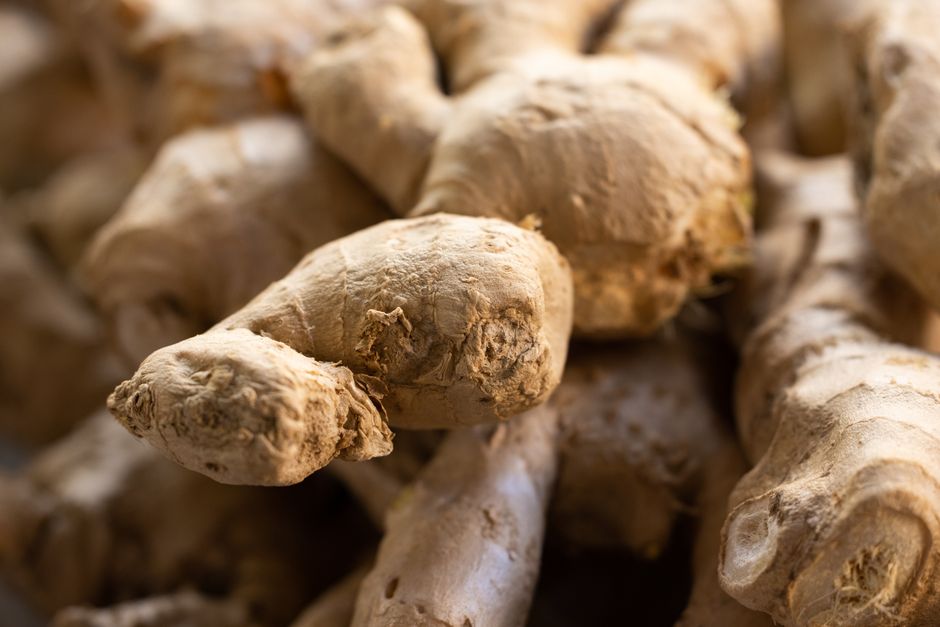
Ginger is one of the most studied natural remedies for inflammation, and the evidence behind it is real. For most adults, the effective range is 500 to 1,000 mg of ginger extract taken two to three times daily, or roughly 1 to 2 grams of fresh ginger root per day. You can take it as a tea, a capsule, a powder, or chewed raw, but the form matters less than the daily dose and consistency. The key is to take it daily with food, not just when you feel sore.
How Much Ginger Do You Need For Inflammation?
Clinical studies on ginger for inflammation typically use standardized extracts. These are concentrated powders or capsules with a set amount of active compounds called gingerols. The most common effective dose in trials is 1,000 mg per day, often split into two 500 mg doses.
Some studies have used up to 2,000 mg per day. Doses above that do not show additional benefit for inflammation and increase the risk of side effects like heartburn or stomach upset. If you are using fresh ginger root, 1 to 2 grams per day — about a half-inch to one-inch piece — is a reasonable equivalent.
Do not exceed 4 grams of ginger per day in any form. That is the upper limit where digestive side effects become common.
Which Form Of Ginger Works Best?
Ginger comes in several forms, and they are not all equal in strength. The form you choose affects how much active compound reaches your system, but all forms can work if the dose is right.
- Fresh ginger root: Contains the full range of active compounds. Best used in cooking or steeped as tea. Mildest form per gram.
- Dried ginger powder: More concentrated than fresh. About 1 teaspoon of dried powder equals roughly 1 gram of fresh root in gingerol content.
- Standardized extract capsules: Most consistent option. Look for capsules labeled with 5% gingerols. This is the form used in most clinical trials.
- Ginger tea: Lowest concentration. You would need several cups daily to reach a therapeutic dose, which is not practical for most people.
- Candied or pickled ginger: Contains added sugar or salt. Not a reliable way to get a medicinal dose.
For arthritis and muscle soreness, capsules are the most practical choice because the dose is known. For everyday cooking and general wellness, fresh root is fine but treat it as food, not medicine.
How To Take Ginger Capsules Correctly
Capsules are the most studied form of ginger for inflammation. If you choose capsules, take them with food. Ginger stimulates stomach acid and can cause heartburn on an empty stomach.
Start with 500 mg once daily for three days. If you tolerate it well, increase to 500 mg twice daily. Most people notice effects within two to four weeks of consistent use. Ginger does not work like ibuprofen — it does not stop pain quickly. It reduces inflammatory markers over time.
Do not take ginger capsules at the same time as blood-thinning medications. Ginger has mild anti-clotting effects. If you take warfarin, clopidogrel, or aspirin daily, talk to your doctor before adding ginger supplements.




Can You Make Ginger Tea That Actually Helps?
Yes, but you need to make it strong enough. A weak tea with a thin slice of ginger will not deliver a meaningful dose.
To make a therapeutic ginger tea, slice about one inch of fresh ginger root. Simmer it in two cups of water for 10 to 15 minutes. Strain and drink. This gives you roughly 1 gram of ginger. Drink one to two cups daily.
Add lemon and honey for taste, but keep in mind that honey adds sugar and calories. The ginger itself is what matters for inflammation. Steeping time matters — longer simmering extracts more gingerols.
What Does The Research Actually Show?
Ginger has been studied most for osteoarthritis and exercise-induced muscle soreness. Research published in the journal Arthritis & Rheumatism found that ginger extract reduced pain and stiffness in people with knee osteoarthritis. A separate review in the Journal of Pain Research concluded that ginger modestly reduces muscle pain after exercise.
The effect is real but modest. Ginger does not match the anti-inflammatory strength of prescription drugs like corticosteroids. It works better than placebo and is comparable to mild over-the-counter pain relievers for some people.
One important limitation: most studies are short-term, lasting 4 to 8 weeks. No long-term safety data exists for daily ginger use beyond six months. The evidence for long-term use is simply absent.
Who Should Not Take Ginger?
Ginger is safe for most healthy adults at culinary doses. At supplement doses, certain people need to be more careful.
Avoid ginger supplements if you have gallstones. Ginger stimulates bile production, which can trigger gallbladder pain. People with bleeding disorders or upcoming surgery should stop ginger at least two weeks before the procedure.
Pregnant women should limit ginger to food amounts. Clinical guidelines do not support high-dose ginger supplements during pregnancy. If you are pregnant and considering ginger for nausea, talk to your obstetrician first.
People with acid reflux often find ginger makes heartburn worse. If you already take acid-reducing medication, start with the lowest dose and monitor symptoms.
How Long Before Ginger Reduces Inflammation?
Do not expect immediate relief. Ginger works by reducing inflammatory signaling in the body, which takes time.
In clinical trials, measurable reduction in inflammatory markers appears after 4 to 12 weeks of daily use. Some people feel less joint pain within two weeks. Others need a full month before noticing a difference.
If you see no improvement after eight weeks of consistent use, ginger is probably not working for your specific condition. Stop taking it and consider other options. Do not keep increasing the dose — more is not better beyond 4 grams daily.
Ginger Vs. Turmeric For Inflammation
People often ask whether ginger or turmeric is stronger. Both have evidence behind them, but they work through different pathways.
Turmeric contains curcumin, which has stronger anti-inflammatory effects in laboratory studies. However, curcumin is poorly absorbed by the body. Ginger is better absorbed and may be more practical for daily use.
Some people take both together. This is generally safe, but there is no strong evidence that the combination works better than either alone. If you take both, keep the total ginger dose within the 1 to 4 gram range and the turmeric dose within its own recommended range.
Signs Ginger Is Not Right For You
Pay attention to how your body responds. The most common side effects are heartburn, diarrhea, and stomach discomfort.
If you experience any of these, reduce the dose or stop entirely. Ginger can also cause mouth irritation if you chew raw root frequently. Capsules avoid this problem.
Ginger interacts with several medications beyond blood thinners. It can lower blood sugar, so monitor glucose levels if you take diabetes medication. It can also affect blood pressure medication. When in doubt, ask a pharmacist about interactions.
Frequently Asked Questions
What is the best form of ginger for inflammation?
Standardized capsules with 5% gingerols are the most reliable form because the dose is known and consistent. Fresh ginger works but is harder to measure precisely.
How many milligrams of ginger should I take daily for inflammation?
Most studies use 500 to 1,000 mg of ginger extract taken once or twice daily. Do not exceed 4 grams per day in any form.
How long does ginger take to reduce inflammation?
Most people notice effects within 2 to 4 weeks of daily use. If you see no improvement after 8 weeks, ginger likely is not effective for your condition.
Can I take ginger every day for inflammation?
Yes, daily use is how ginger works best for inflammation. However, no long-term safety data exists beyond six months of continuous use, so periodic breaks are reasonable.
