
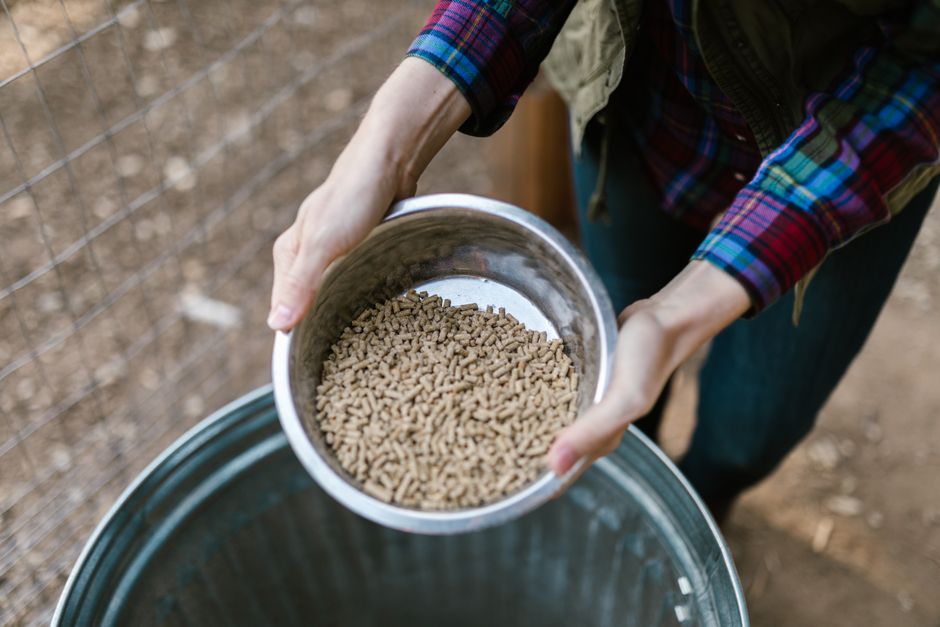
Milo feed is the grain sorghum plant used as livestock feed. It is a staple energy source for cattle, pigs, and poultry in many parts of the United States. Farmers value milo because it grows well in dry conditions where corn struggles. Nutritionally, milo is similar to corn but has slightly less energy and more protein, making it a practical and cost-effective feed option for many operations.
What Is Milo Feed Nutrition And Livestock Uses?
Milo, also called grain sorghum, is a cereal grain that serves as a primary energy source in livestock rations. Its nutritional profile is close to corn, which is why feed mills and farmers use it as a direct substitute in many situations. The grain provides carbohydrates for energy, some protein, and essential minerals.
The main difference between milo and corn is starch digestibility. Milo starch is harder for animals to break down. Processing methods like rolling, grinding, or steam flaking improve how well livestock can use the energy in milo. Without proper processing, animals may pass a significant portion of the grain through undigested.
Livestock producers use milo for beef cattle, dairy cattle, swine, and poultry. It works well in growing rations, finishing diets, and as a supplement on pasture. The choice between milo and corn often comes down to local availability and price per unit of energy.
How Does Milo Compare to Corn Nutritionally?
Milo and corn are both classified as energy feeds, but they are not identical. Milo typically contains slightly more protein than corn. Corn usually has around 8-9% crude protein, while milo often tests at 9-11% depending on variety and growing conditions.
Energy content is where the two grains differ most. Milo has about 90-95% of the energy value of corn for cattle. This means you need to feed slightly more milo to get the same energy as corn. For swine and poultry, the difference is larger because of the starch digestibility issue. Milo may only have 85-90% of corn’s energy value for these animals.
Both grains are low in certain essential amino acids like lysine. Milo is also lower in some carotenoids, which are pigments that give corn its yellow color. This matters for poultry producers who want yellow egg yolks or skin color in broilers. Pigment supplements may be needed when milo replaces corn in poultry diets.
Milo contains tannins in some varieties. Tannins are plant compounds that can reduce protein digestibility. Low-tannin varieties are available and are preferred for feed use. High-tannin varieties are less palatable and may reduce feed intake in livestock.
What Are the Protein and Mineral Levels in Milo?
Crude protein in milo ranges from about 7% to 13% depending on the variety, soil fertility, and rainfall. Most commercial feed-grade milo tests between 9% and 11% protein. This makes it a moderate protein source, but not a high-protein feed like soybean meal.
Milo’s amino acid profile is similar to corn but slightly better in some areas. It contains more of the amino acid methionine than corn. However, both grains are deficient in lysine and tryptophan for monogastric animals like pigs and chickens. Rations using milo as the primary grain need supplemental protein sources to balance amino acids.
Mineral content in milo is modest. It provides phosphorus, potassium, and some B vitamins. The phosphorus in milo is bound in a form called phytate, which monogastric animals cannot digest well. Adding the enzyme phytase to swine and poultry diets helps release this phosphorus and reduces the need for supplemental phosphorus in the ration.
Calcium levels in milo are low, as they are in most cereal grains. Livestock rations built around milo require calcium supplementation from limestone or other sources. The calcium-to-phosphorus ratio needs careful attention when formulating diets.




How Should Milo Be Processed for Livestock?
Processing milo is not optional for most livestock. Whole milo kernels are small and hard. Cattle, pigs, and poultry cannot break them down well enough to access the nutrients inside. Unprocessed milo often passes through the digestive tract largely intact.
Dry rolling is the most common processing method. The grain is passed between steel rollers that crack the kernel. This increases the surface area for digestive enzymes to work on. Dry rolling works well for cattle and is simple and inexpensive.
Steam flaking is more effective but requires specialized equipment. The grain is steamed to soften the starch, then flattened into flakes. This process gelatinizes the starch, making it much more digestible. Research consistently shows steam-flaked milo improves feed efficiency in finishing cattle compared to dry rolling.
Grinding works for swine and poultry. The grain is ground into a meal or flour-like consistency. Particle size matters. Too fine a grind can cause digestive issues in cattle and reduce feed intake. For pigs and chickens, a medium grind is typically recommended.
Reconstitution is another method used for cattle. Water is added to dry milo to bring moisture content to around 25-30%, then the grain is stored in an oxygen-free environment for a few weeks. This ferments the grain slightly and improves starch digestibility.
Can Milo Replace Corn in Livestock Rations?
Yes, milo can replace corn in most livestock rations, but the substitution is not always one-to-one. Because milo has lower energy value than corn, feed formulations must be adjusted. Simply swapping equal weights of milo for corn will reduce the energy density of the ration.
For beef cattle, milo can replace corn at equal levels when properly processed. The slightly lower energy means cattle may need slightly more feed per day to achieve the same weight gain. In practice, many feedlots use milo as a partial replacement for corn rather than a complete substitution.
For swine and poultry, the starch digestibility issue makes milo less attractive. The energy value of milo for pigs and chickens is about 90% that of corn when properly ground. This means more milo is needed to achieve the same growth performance, which can offset the cost savings from buying milo.
Some research suggests that milo’s lower starch digestibility can be an advantage in certain situations. For dairy cows, replacing a portion of corn with milo may help maintain milk fat percentage. Rapidly digestible starch from corn can sometimes lower milk fat. Milo’s slower digestion may reduce this risk.
The decision to use milo comes down to price per unit of energy, not price per ton. Milo is only a better buy if its cost per pound of energy is lower than corn. Producers should compare prices on this basis rather than on weight alone.
What Are the Advantages and Disadvantages of Milo Feed?
Milo’s biggest advantage is drought tolerance. It grows in semi-arid regions where corn cannot survive without heavy irrigation. This makes milo a reliable feed source in the southern Great Plains and other dry areas. When corn prices spike due to drought, milo often remains affordable.
Milo is also less attractive to wildlife than corn. Deer and wild hogs may damage corn fields, but they tend to leave milo alone. This reduces crop losses for farmers.
The main disadvantage is the starch digestibility problem. Milo requires processing to unlock its nutritional value, and even then it is less digestible than corn for pigs and poultry. This reduces its value for monogastric animals.
Tannin content is another drawback. High-tannin varieties reduce protein digestibility and palatability. Producers must select low-tannin varieties for feed use, which limits seed options in some regions.
Milo also has a higher risk of mold contamination during wet harvest conditions. Like all grains, it must be stored dry and monitored for spoilage. Moldy milo can contain mycotoxins that harm livestock health.
How Is Milo Feed Used in Different Livestock Species?
Beef cattle are the largest consumers of milo feed in the United States. Feedlots use it as an energy source in finishing rations. It also works well as a supplement for cows on pasture during winter months when forage quality declines.
Dairy cattle can use milo as part of the grain mix in their total mixed ration. It provides energy for milk production. Some dairies use milo to help manage starch fermentation rates in the rumen. The slower starch digestion can support milk fat production.
Swine producers use milo in grower and finisher diets. It must be ground to the correct particle size and balanced with supplemental amino acids. Milo-based swine diets perform well when formulated correctly, though slightly more feed is needed compared to corn-based diets.
Poultry can consume milo, but it is less common in commercial poultry diets. Broilers and laying hens need high-energy feed, and milo’s lower digestibility reduces its value. Some research indicates milo can be used at up to 50% of the grain portion in poultry diets without significant performance loss when properly supplemented.
Frequently Asked Questions
Is milo feed the same as sorghum?
Milo is a type of grain sorghum. The terms are often used interchangeably in livestock feeding, though sorghum includes other types like forage sorghum grown for silage.
Can horses eat milo feed?
Horses can eat milo, but it is not a common feed for them. The small, hard kernels need processing, and milo is less palatable to horses than oats or corn.
Does milo need to be processed before feeding cattle?
Yes, processing is recommended for cattle. Whole milo kernels are too hard for cattle to chew effectively, and much of the grain passes through undigested.
Is milo cheaper than corn for livestock feed?
Milo is often cheaper per ton than corn. However, the real comparison is cost per unit of energy, and milo may need more processing to match corn’s feeding value.
