
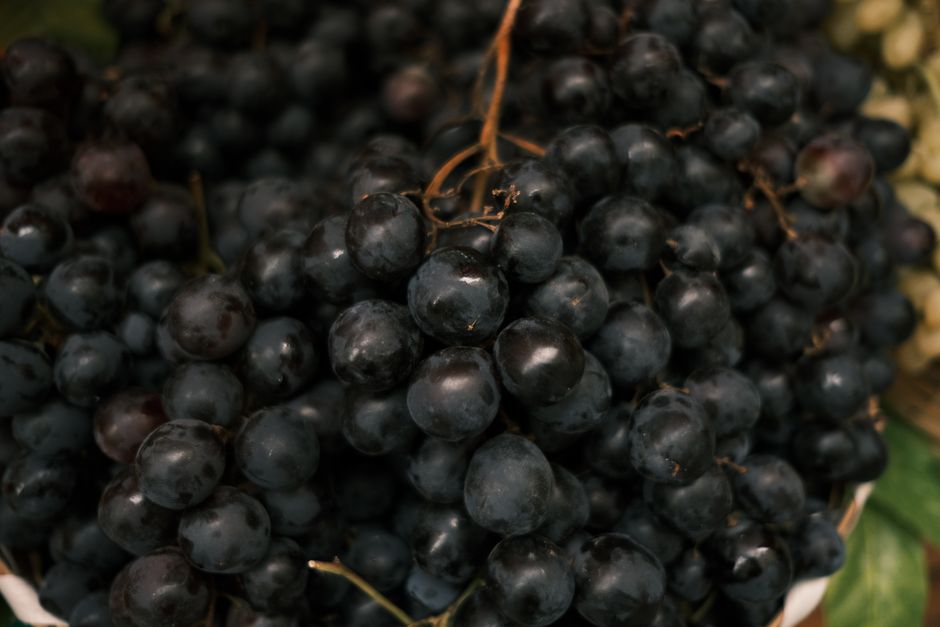
Muscadines are one of the most nutrient-dense fruits you can eat, with significantly more antioxidants than regular grapes. They are especially high in a unique compound called ellagic acid, which research has linked to cancer prevention and heart health. Unlike common table grapes, muscadines have a thick skin and a large seed, both of which contain most of the powerful nutrients. If you eat the whole fruit — skin, seed, and pulp — you get a serious nutritional boost that few other fruits can match.
What Makes Muscadines Different From Regular Grapes?
Muscadines are not just another grape. They belong to a different species, Vitis rotundifolia, native to the southeastern United States. Regular grapes you buy at the grocery store are mostly Vitis vinifera, a European species. The difference matters for nutrition.
Muscadines have a much thicker skin. That skin is packed with resveratrol and ellagic acid — two compounds linked to anti-inflammatory and anti-cancer effects. The seeds are also larger and tougher, and they contain high levels of oligomeric proanthocyanidins, which are powerful antioxidants that support blood vessel health.
One study published in the Journal of Agricultural and Food Chemistry found that muscadine grapes had two to three times the antioxidant capacity of common table grapes. The difference comes down to the unique polyphenol profile. You simply cannot get the same nutrients from a standard red or green grape.
Are Muscadines Good For You Nutrition And Benefits?
Yes, the evidence is strong. Muscadines provide a dense package of fiber, vitamins, and unique plant compounds. A one-cup serving of muscadines contains about 60 calories, 15 grams of carbohydrates, and 3 grams of fiber. That fiber comes mostly from the skin and seeds, which most people do not eat in regular grapes.
The standout nutrient is ellagic acid. Research from the University of Florida and other institutions has shown that ellagic acid can slow the growth of certain cancer cells in laboratory studies. It works by blocking enzymes that cancer cells need to multiply. The same compound also helps reduce inflammation throughout the body.
Muscadines are also a good source of vitamin C, providing about 20% of your daily needs per serving. They contain manganese, which supports bone health and metabolism, and small amounts of B vitamins. But the real value is in the polyphenols — resveratrol, quercetin, and anthocyanins — which work together to protect cells from oxidative damage.
What Does Research on Muscadines and Health Show?
Several peer-reviewed studies have examined muscadines specifically, not just grapes in general. A 2015 study in Nutrition Research gave muscadine juice to adults with metabolic syndrome. After eight weeks, participants had lower blood pressure and improved cholesterol markers. The researchers attributed this to the high levels of anthocyanins and ellagic acid.
Another study from North Carolina State University looked at muscadine seed extract and its effect on colon cancer cells. The extract triggered apoptosis — programmed cell death — in cancer cells while leaving healthy cells alone. This is the kind of selective action that researchers look for in potential cancer-fighting foods.
| Health Area | What Research Shows | Strength of Evidence |
|---|---|---|
| Heart health | Lowered blood pressure and LDL cholesterol | Moderate — several small human trials |
| Cancer prevention | Ellagic acid slows cancer cell growth in lab studies | Moderate — strong lab data, limited human trials |
| Inflammation | Reduced markers like C-reactive protein | Moderate — consistent in animal and human studies |
| Blood sugar control | Fiber and polyphenols may improve insulin sensitivity | Weak — mostly animal studies so far |
The big limitation is that most studies use concentrated extracts or juice, not whole fruit. Eating whole muscadines likely provides similar benefits, but the research is not yet definitive on exact doses. What is clear is that the compounds in muscadines have measurable biological effects.





How Do You Eat Muscadines to Get the Full Benefits?
The way you eat muscadines matters more than you might think. Most of the nutrients are in the skin and seeds. If you spit out the skin or discard the seeds, you lose the majority of the health benefit. The pulp is mostly water and sugar with some vitamin C.
To get the full nutritional value, you need to eat the whole grape. That means chewing the skin thoroughly and either eating the seeds whole or crushing them with your teeth. The seeds are tough and have a bitter taste, so many people find them unpleasant. One practical way around this is to blend muscadines into a smoothie. A high-speed blender breaks down the seeds and skins, making the nutrients available without the texture issue.
Muscadine juice is also available but watch the label. Many commercial muscadine juices add sugar. Look for 100% juice with no added sweeteners. Even then, juice lacks the fiber that whole fruit provides, which slows sugar absorption and supports gut health.
- Eat the skin — do not peel or discard it
- Crush or blend the seeds rather than spitting them out
- Use frozen whole muscadines in smoothies for easier consumption
- Choose whole fruit over juice for maximum fiber
- Check ingredient labels on muscadine products for added sugar
Are There Any Side Effects or Downsides?
Muscadines are safe for most people when eaten as a whole food. There are no known serious side effects from normal consumption. However, a few things are worth noting.
The thick skin and large seeds can be hard to digest for some people. If you are not used to eating high-fiber foods, starting with a large serving of whole muscadines might cause bloating or gas. Start with a half-cup and see how your body handles it.
Muscadines are also relatively high in sugar compared to other fruits like berries. A cup has about 15 grams of sugar. That is not excessive, but if you are managing diabetes or insulin resistance, you should account for it in your daily carbohydrate intake. The fiber helps blunt the blood sugar spike, but it is still sugar.
Some people report an allergic reaction to muscadines, though this is rare. Symptoms include itching in the mouth or throat. If you have a known allergy to grapes, you may react to muscadines as well since they are in the same plant family.
What About Muscadine Supplements and Extracts?
Muscadine supplements are sold as capsules, powders, and liquid extracts. They are marketed for heart health, anti-aging, and immune support. The evidence for these supplements is weaker than for the whole fruit.
Most supplements use the seed or skin extract alone, not the whole grape. This means you miss out on the synergistic effects of eating the entire fruit. Whole foods contain hundreds of compounds that work together in ways that isolated extracts do not replicate.
A 2018 review in Nutrients looked at grape seed extract studies and found mixed results. Some showed modest benefits for blood pressure and cholesterol, but others found no effect. The issue is inconsistency in dosage and quality across products. The FDA does not regulate supplements the same way it regulates food, so what is on the label may not match what is in the bottle.
If you choose a supplement, look for one that uses the whole muscadine fruit powder. Even then, whole fruit is almost always a better choice. You get fiber, water, and a full range of phytonutrients that no pill can match.
Common Misconceptions About Muscadines
A common myth is that muscadines are just wild grapes with no special health value. That is wrong. They are a distinct species with a unique nutrient profile that has been used in traditional medicine for centuries. The thick skin is not a defect — it is where the most powerful antioxidants live.
Another misconception is that muscadine wine provides the same benefits as the whole fruit. Wine does contain resveratrol, but the alcohol content reduces the absorption of some polyphenols. Also, wine lacks the fiber and the full range of compounds found in the whole grape. A glass of dry muscadine wine is fine in moderation, but it is not a substitute for eating the fruit.
Some people also believe that muscadines are only available fresh for a few weeks in the fall. That is true for fresh fruit, but frozen muscadines are available year-round. Frozen whole muscadines retain most of their nutrients and are often cheaper than fresh. They work perfectly in smoothies, sauces, or baked goods.
Frequently Asked Questions
Can you eat muscadine seeds?
Yes, you can eat them. The seeds are tough and bitter but contain high levels of antioxidants and fiber. Chewing them thoroughly or blending them into a smoothie makes them easier to consume.
Are muscadines better for you than blueberries?
Both are excellent, but muscadines have more ellagic acid and resveratrol, while blueberries are higher in anthocyanins. Eating both gives you the widest range of antioxidants.
Do muscadines help with weight loss?
They are low in calories and high in fiber, which can help with fullness. No food alone causes weight loss, but muscadines are a smart addition to a healthy diet.
Can you eat muscadine skin?
Yes, the skin is the most nutrient-dense part. It contains most of the fiber, resveratrol, and ellagic acid. Do not peel or discard it.
