
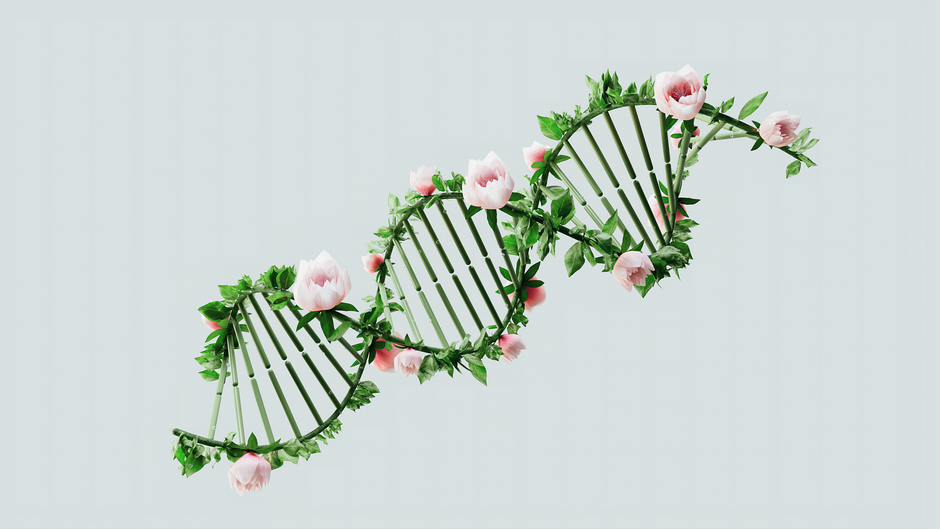
Genome editing lets scientists make precise changes to DNA. The key uses today include treating genetic diseases, improving crops, and advancing medical research. While the technology holds great promise, most applications are still in early stages or tightly controlled.
What Is Genome Editing and How Does It Work?
Genome editing is a set of techniques that change the genetic material inside living cells. The most well-known tool is CRISPR-Cas9, which acts like molecular scissors. It cuts DNA at a specific spot, and the cell’s natural repair systems then make changes at that cut site.
Other editing tools exist too. Zinc finger nucleases (ZFNs) and TALENs work on the same principle but are older and harder to use. CRISPR became popular because it is simpler, cheaper, and more precise.
The process starts with designing a guide molecule that matches the target DNA sequence. Scientists deliver this guide along with the cutting enzyme into cells. Once inside, the guide finds its matching DNA, the enzyme cuts, and the cell repairs the break. Depending on how scientists set things up, the repair can disable a gene, fix a mutation, or insert new genetic material.
What Medical Treatments Use Genome Editing Right Now?
As of 2026, only a few genome editing therapies have been approved for use. The most notable is Casgevy, a treatment for sickle cell disease and beta-thalassemia. The UK’s Medicines and Healthcare products Regulatory Agency (MHRA) approved it in late 2023, and the US Food and Drug Administration (FDA) followed in December 2023.
Casgevy works by editing a patient’s own blood stem cells. The edit turns on a fetal form of hemoglobin that healthy people stop making after birth. This fetal hemoglobin compensates for the defective adult hemoglobin in sickle cell disease. Patients receive their own edited cells back through a stem cell transplant, which requires chemotherapy first.
Other approved therapies are limited. Several are in clinical trials for conditions like inherited blindness, cystic fibrosis, and certain cancers. In cancer treatment, researchers edit immune cells to better recognize and attack tumors. These are called CAR-T cell therapies that use gene editing.
The FDA has stated it will fast-track promising therapies for rare genetic diseases. But most genome editing treatments are years away from widespread use. The process from lab to clinic takes time because safety must come first.
How Is Genome Editing Used in Agriculture?
Genome editing in agriculture is further along than in human medicine. Several countries have approved edited crops for commercial use. The United States Department of Agriculture (USDA) does not regulate genome-edited plants the same way it regulates genetically modified organisms (GMOs), as long as the edit could have happened naturally or through traditional breeding.
The first genome-edited food product was a soybean oil with no trans fats. Calyxt developed it, and the oil hit the US market in 2019. Other edited crops include mushrooms that do not brown, potatoes that produce less acrylamide when fried, and high-fiber wheat.
Japan approved genome-edited tomatoes in 2020 that contain higher levels of GABA, a compound linked to relaxation and lower blood pressure. These tomatoes were developed by Sanatech Seed and are sold directly to consumers.
Livestock applications are also being explored. Researchers have edited pigs to resist a deadly virus called PRRS. They have also edited cattle to grow thicker coats in cold climates and produce less methane. None of these have reached commercial markets yet.
The key difference from GMOs is that genome editing changes existing genes rather than inserting genes from another species. This distinction matters for regulation and public acceptance. The USDA estimates that over 100 genome-edited crops are in development worldwide.





What Are the Ethical Concerns and Risks?
The most debated use of genome editing is in human embryos. In 2018, Chinese scientist He Jiankui announced he had edited the genomes of twin girls to make them resistant to HIV. The scientific community widely condemned this work. The edits were sloppy, and the long-term effects are unknown. He served prison time in China.
This event led to international calls for a moratorium on heritable genome editing. Most countries, including the United States, prohibit editing embryos that could pass changes to future generations. The National Academies of Sciences, Engineering, and Medicine have stated that clinical use of heritable editing should not proceed unless strict conditions are met.
Off-target effects are another risk. The editing tool might cut DNA at the wrong spot, causing unintended mutations. Newer versions of CRISPR are more precise, but the risk is not zero. For approved therapies like Casgevy, researchers check the edited cells thoroughly before returning them to the patient.
Access and equity are growing concerns. The sickle cell therapy Casgevy costs around $2 million per patient. This price puts it out of reach for many people who need it, especially in countries where the disease is most common. The World Health Organization has noted that sickle cell disease affects millions globally, with the highest rates in sub-Saharan Africa.
What Does Research on Genome Editing Show for the Future?
Research published in Nature and Science shows rapid progress in making editing safer and more precise. Base editing is a newer technique that changes one DNA letter to another without cutting both strands of DNA. Prime editing is even more precise and can insert or delete small pieces of DNA.
Researchers are also working on delivery methods. Current approaches use viruses or electrical pulses to get editing tools into cells. Both methods have limitations. Viruses can trigger immune responses, and electrical pulses only work on cells that can be removed from the body. New lipid nanoparticles, similar to those used in mRNA vaccines, might solve this problem.
A 2024 study in The New England Journal of Medicine reported that in vivo genome editing — editing cells inside the body rather than in a lab dish — successfully treated a rare disease called transthyretin amyloidosis. The therapy reduced production of the toxic protein by over 90% in patients. This was the first demonstration that editing inside the body could work in humans.
For agriculture, researchers are editing crops to withstand climate change. Drought-tolerant corn, salt-tolerant rice, and disease-resistant wheat are in field trials. The speed of development is faster than traditional breeding because only one or two genes need to change.
Some studies suggest genome editing could help conservation efforts. Scientists have proposed editing invasive species to reduce their populations or editing endangered species to make them more resilient. These applications raise their own ethical questions and are not yet implemented.
What Are Common Misconceptions About Genome Editing?
Many people confuse genome editing with GMOs. The difference matters. GMOs contain DNA from another species. Genome editing changes the organism’s own DNA. A CRISPR-edited mushroom that does not brown contains no foreign DNA. The USDA does not regulate it as a GMO.
Another misconception is that genome editing creates “designer babies.” This is not happening in any country with functional regulation. The scientific consensus, stated by the International Commission on the Clinical Use of Human Germline Genome Editing, is that heritable editing is irresponsible at this stage. The technical challenges and unknown risks are too great.
Some believe genome editing will cure all genetic diseases soon. This is unrealistic. Many genetic diseases involve complex interactions between multiple genes and the environment. Editing one gene may not fix the problem. Even for single-gene disorders like cystic fibrosis, delivering the editing tools to the right cells in the right organs remains difficult.
A common question is whether genome-edited foods are safe. Regulatory agencies in the US, Japan, Canada, and Australia have reviewed specific products and found them safe. The FDA evaluates edited foods based on their characteristics, not the method used to create them. No safety issues have emerged from the edited foods on the market.
Frequently Asked Questions
Can genome editing cure genetic diseases?
Only one therapy, Casgevy for sickle cell disease, is currently approved. Many other treatments are in clinical trials but not yet available.
Is genome editing the same as GMOs?
No. GMOs contain DNA from another species. Genome editing changes the organism’s own existing DNA without adding foreign genetic material.
Are genome-edited foods safe to eat?
Regulatory agencies in the US, Japan, and Canada have approved specific edited foods after safety reviews. No safety problems have been reported.
Can scientists edit human embryos?
This is illegal in most countries including the US. The scientific community strongly opposes heritable editing due to safety and ethical concerns.
