
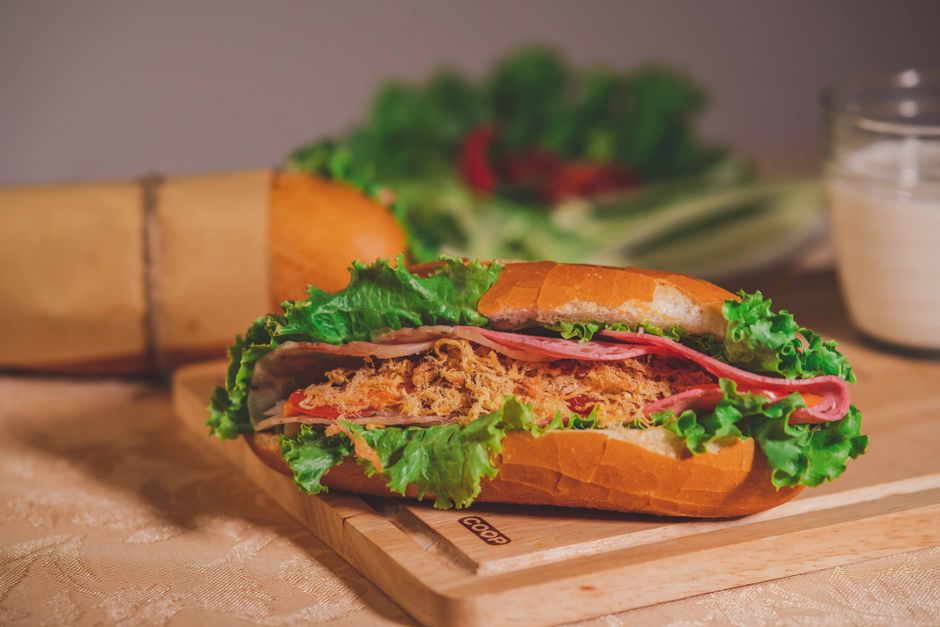
Meat floss is shredded, dried meat that has been cooked until the fibers separate, then fluffed into a light, cotton-like topping. It is made most often from pork, chicken, or beef, and sometimes from fish. You will find it piled on rice porridge, tucked into sandwiches, and sold in plastic tubs as a snack across China, Taiwan, Vietnam, Indonesia, Malaysia, and Thailand. If you have ever seen a pale, wispy, slightly sweet topping on a savory bun and wondered what it was, meat floss is almost certainly the answer.
What Is Meat Floss A Fluffy Savory Asian Snack?
Meat floss is a preserved meat product. The meat is simmered until it is soft enough to pull apart, then shredded into fine threads. Those threads are cooked again — often in a pan or wok, sometimes in an oven — until they dry out and turn fluffy. Sugar, soy sauce, salt, and oil are usually added along the way, which is why the finished product tastes sweet and savory at the same time.
The texture is the whole point. Drying and shredding break the meat down into fibers so thin they feel almost weightless on the tongue. That is a very different experience from jerky, which is chewy and dense, or from canned meat, which is moist and heavy.
Different countries call it different names. In China and Taiwan it is rousong. In Vietnam it is ruốc or chà bông. In Indonesia and Malaysia it is abon. In Thailand it is mu yong. The recipes vary, but the basic method — cook, shred, dry, season — is shared across the region.
How Is Meat Floss Actually Made?
Traditional production starts with whole cuts of meat, usually lean pork shoulder or tenderloin. The meat is simmered for hours in water with aromatics like ginger, garlic, or star anise. Once it is tender enough to fall apart, it is drained and shredded by hand or with a machine.
The shredded meat then goes back into a pan with seasoning. This step is where the fluffiness develops. The cook stirs constantly over low heat while the moisture evaporates. Sugar caramelizes slightly. Oil coats the fibers so they do not clump. The mixture slowly transforms from wet shreds into a dry, airy mass.
Commercial versions do the same thing at scale, often using industrial dryers and mixers. Some add soy protein or starch as filler, which lowers cost but changes the texture. Reading the ingredient list is the fastest way to tell the difference between a product that is mostly meat and one that is mostly filler.
Why Does It Stay Shelf-Stable?
Drying is one of the oldest food preservation methods. Removing moisture makes the environment hostile to the bacteria and mold that spoil fresh meat. Commercial meat floss also usually contains enough salt and sugar to further limit microbial growth, and it is sealed in airtight packaging.
That does not make it indestructible. Once a package is opened, the product can absorb moisture from the air, which shortens its usable life. Most manufacturers recommend eating it within a few weeks of opening and storing it in a cool, dry place.
What Does Meat Floss Taste Like?
Most meat floss tastes sweet first, then savory. The sweetness comes from added sugar. The savory note comes from soy sauce, salt, and the natural flavor of the meat itself. Some versions are spicier, with chili or pepper added. Fish floss tends to be saltier and more intensely flavored than pork or chicken versions.
The texture matters as much as the taste. Good meat floss feels dry and fibrous, almost like cotton candy that has been pulled apart. Poorly made versions feel greasy, clumpy, or gritty. If it sticks together in dense lumps, it has probably absorbed moisture or contains too much oil.
Because it is so light, a small pile looks like a lot. That is worth remembering when you are watching how much you eat. A few tablespoons can weigh very little but still carry a meaningful amount of sugar and sodium.





How Do People Eat It?
Meat floss shows up in both home cooking and street food across East and Southeast Asia. Common uses include:
- Topped on rice porridge (congee), where it adds texture and salt
- Filling for steamed or baked buns, often paired with a sweet or creamy element
- Spread on toast or inside sandwiches
- Sprinkled over rice, noodles, or tofu
- Eaten straight from the package as a snack
- Rolled into sticky rice or rice crackers
The pairing with something soft and mild is not accidental. Congee and plain rice give the floss a neutral base, so the sweet-salty flavor and dry texture stand out. In Taiwan, a common street food is a thick slice of toast with a layer of creamy mayonnaise and a thick dusting of pork floss on top. The fat from the mayonnaise balances the dryness of the meat.
It also appears in some baked goods as a savory topping, and in a few regional dishes as a garnish rather than a main ingredient.
Is Meat Floss Healthy?
Meat floss is a processed meat product, and that shapes how it fits into a diet. The drying process concentrates the meat, so a small serving delivers a fair amount of protein. But the same concentration applies to everything else in the recipe, including sodium and sugar.
Most commercial meat floss is high in sodium. Some versions are also high in added sugar. If you are managing blood pressure or watching your sugar intake, portion size matters more here than it would with plain cooked meat.
There is also the processed meat question. The World Health Organization’s cancer research agency classifies processed meats — meat that has been salted, cured, smoked, or otherwise preserved to extend shelf life — as carcinogenic to humans, based on evidence linking them to colorectal cancer risk. Meat floss fits that category. That classification is about risk over a lifetime of regular consumption, not about any single serving. The evidence does not support treating an occasional spoonful as dangerous, but it also does not support treating meat floss as a health food.
What the evidence does not show is any specific health benefit unique to meat floss. It is a flavorful topping and a shelf-stable protein source, not a functional food.
How Does It Compare to Other Meat Products?
The main differences come down to moisture, texture, and how much seasoning has been added. The table below compares meat floss to a few products people often confuse it with. Values vary widely by brand and recipe, so treat these as general ranges rather than fixed numbers.
| Product | Texture | Moisture | Typical Seasoning |
|---|---|---|---|
| Meat floss | Dry, fluffy, fibrous | Low | Sweet and salty, often with soy sauce and sugar |
| Jerky | Chewy, dense | Low to medium | Salty, often smoked or peppered |
| Canned meat | Moist, compact | High | Salty, sometimes with preservatives |
| Dried shredded squid | Chewy, stringy | Low | Salty and sweet, sometimes spicy |
Meat floss is the lightest and airiest of these by a wide margin. That is a direct result of how finely the fibers are separated and how thoroughly the moisture is driven off.
What Should You Look For When Buying It?
The ingredient list tells you most of what you need to know. A short list — meat, sugar, soy sauce, salt, oil — usually means a more traditional product. A long list with soy protein, starch, or flavor enhancers often means a product bulked up with fillers.
Check the sodium and sugar numbers per serving, and pay attention to what the package calls a serving. Because meat floss is so light, serving sizes are often small, and it is easy to eat several servings without realizing it.
Storage matters too. Once opened, keep the container sealed and dry. If the floss starts clumping or smells off, discard it. There is no reliable way to revive meat floss that has absorbed moisture.
For people who avoid pork for religious or dietary reasons, chicken, beef, and fish versions are widely available. Vegetarian alternatives made from soy or mushroom exist as well, though they are a different product with a different texture and should not be expected to match meat floss exactly.
Frequently Asked Questions
Is meat floss the same as jerky?
No. Jerky is chewy and dense, while meat floss is shredded and dried until it becomes light and fluffy. Both are preserved meat products, but the texture and production method are different.
Is meat floss safe to eat during pregnancy?
Meat floss is a processed, shelf-stable product, so the main concern is not listeria from undercooking but sodium and the general guidance to limit processed meats. If you are pregnant, ask your clinician about how it fits your diet rather than assuming it is or is not fine.
Does meat floss need to be refrigerated?
Unopened commercial meat floss is generally shelf-stable and does not require refrigeration. After opening, keep it sealed in a cool, dry place and use it within the timeframe the manufacturer recommends.
Is meat floss high in protein?
It contains protein because it is made from meat, but the amount per serving is modest because servings are small and light. Check the nutrition label on the specific product for an accurate number.
