
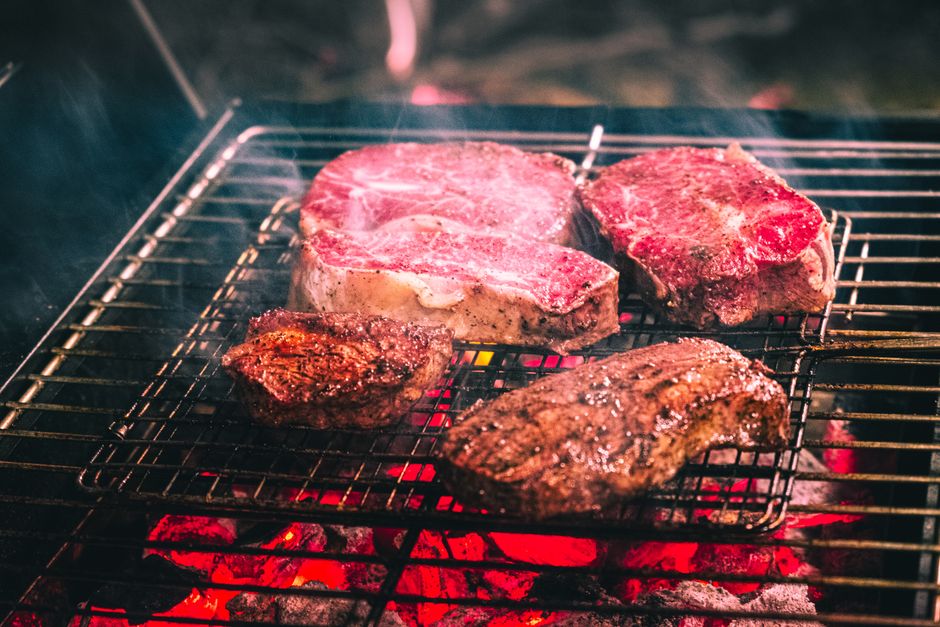
Smoking meat is a beloved cooking method that adds deep, rich flavor. But there is a real question many backyard cooks ask: how much smoke is too much? The short answer is that too much smoke makes meat taste bitter and acrid, and it can even be harmful to your health. The key is to aim for a thin, blue smoke rather than a thick, white cloud.
What Does Too Much Smoke Look Like?
When you are smoking meat, the color of the smoke tells you everything. Thin, blue smoke is what you want. It is almost invisible and carries a pleasant, clean aroma. This type of smoke comes from a clean-burning fire with good airflow.
Thick, white smoke is the problem. It looks like a dense cloud pouring out of your smoker. This smoke is produced when wood is smoldering instead of burning cleanly. It often happens when you add too much wood at once, when the wood is wet, or when the fire does not have enough oxygen.
This thick smoke contains more creosote and soot. These compounds settle on the surface of the meat. They create a dark, bitter, and sometimes soapy taste that can ruin a brisket or pork shoulder. If your meat looks dark and shiny like lacquer, you have likely oversmoked it.
How Much Smoke Is Too Much When Smoking Meat?
There is no single number of wood chunks that works for every smoker. The right amount depends on your equipment, the outdoor temperature, and the type of meat you are cooking. What matters more than the quantity of wood is the quality of the burn.
A good rule of thumb is to use fewer wood chunks than you think you need. For most home smokers, one to two fist-sized chunks of wood at a time is plenty. You want the smoke to be subtle, not overpowering. The meat should taste like the wood is a background note, not the main ingredient.
Another practical guideline is to limit heavy smoke exposure to the first few hours of the cook. Meat stops absorbing smoke once its surface temperature rises and the bark forms. After about two to three hours, additional smoke does little for flavor. It can actually make the meat bitter. Many experienced pitmasters only add wood for the first couple of hours and then let the meat cook with just heat and steam.
Why Does Too Much Smoke Taste Bad?
The bitter taste comes from chemical compounds called creosote. Creosote forms when wood burns incompletely. It is the same dark, tarry substance that builds up inside chimney flues. When it coats your meat, it leaves a harsh, acrid flavor that masks the natural taste of the meat.
There is also a scientific reason why smoke flavor fades. The compounds that give smoked meat its desirable flavor are volatile. They evaporate over time. The longer meat sits in a smoky environment, the more of these light, pleasant compounds are replaced by heavier, bitter ones.
Temperature plays a role too. A smoker running too low, below about 225°F, tends to produce dirtier smoke. The fire struggles to maintain combustion. This creates more creosote and less of the clean flavor compounds you actually want.





Is Too Much Smoke a Health Concern?
This is where the conversation turns more serious. Smoke from burning wood contains polycyclic aromatic hydrocarbons, or PAHs. Some of these compounds are classified as probable carcinogens by health agencies. When you eat heavily smoked meat, you are ingesting some of these compounds.
The evidence is not saying that occasional smoked meat is dangerous. It is about frequency and quantity. People who eat heavily smoked or charred meats very often may have a higher risk of certain cancers. Research on this topic is observational, meaning it shows a link but does not prove cause and effect.
There are practical ways to reduce exposure. Trimming visible fat before smoking helps because PAHs tend to form on fat drippings that cause flare-ups. Avoiding the dark, charred outer layer of heavily smoked meat is another simple step. And keeping the smoke thin and clean reduces the amount of PAHs that deposit on the surface in the first place.
How to Fix an Oversmoked Piece of Meat
If you have already oversmoked a cut, the damage is mostly done. The bitter compounds have penetrated the surface. There is no way to completely remove them.
You can try to salvage the meat by trimming away the outer layer. The bark and the first few millimeters of the surface hold most of the bitter flavor. Removing that layer can reveal milder meat underneath.
Sauce can help mask some bitterness, but it will not fix the underlying problem. A sweet or tangy sauce can balance the acrid notes, but the smoke flavor will still be present. The honest truth is that oversmoked meat is often best used in dishes where other strong flavors can compete, like chili or stew.
Tips for Getting Clean Smoke Every Time
Getting clean smoke is about managing your fire, not adding more wood. Start with dry, seasoned wood. Green or damp wood produces thick, white smoke that tastes terrible.
Make sure your smoker has good airflow. A fire needs oxygen to burn cleanly. If your vents are closed too far, you will create smoldering conditions that produce dirty smoke.
Let your fire establish itself before adding the meat. Give the wood time to catch and burn down to a bed of coals. When you see thin, blue smoke instead of thick, white smoke, that is the moment to put your meat on.
Use wood as a complement to charcoal or another heat source, not as the sole fuel. This gives you more control over the temperature and the smoke output. It also prevents the fire from producing excessive smoke when you are not actively adding wood.
Finally, trust your nose. If the smoke smells sharp, chemical, or makes your eyes water, it is too heavy. Clean smoke smells sweet and mild, like a campfire in the distance.
Does Meat Actually Absorb Smoke for the Whole Cook?
Many cooks believe that meat absorbs smoke throughout the entire cooking time. This is not accurate. Meat absorbs smoke most readily when its surface is moist and cool.
In the first hour or two, the surface of the meat is wet and sticky. This is when smoke adheres best. As the meat heats up, the surface dries out and the bark begins to form. Once that bark sets, it acts as a barrier. Very little smoke penetrates after that point.
This is why adding wood throughout a long cook is wasteful. It does not add more flavor. It only increases the chance of creating bitter, acrid notes. The most efficient approach is to provide clean smoke early and then let the meat cook without additional wood.
Common Mistakes That Create Too Much Smoke
One of the most common mistakes is adding too much wood at once. A large pile of wood creates a surge of thick smoke that overwhelms the meat. It is better to add one piece at a time and wait for it to burn cleanly.
Another mistake is opening the smoker too often. Every time you open the lid, you let out heat and disrupt the airflow. This can cause the fire to smolder and produce dirty smoke. Trust your thermometer and resist the urge to peek.
Using the wrong type of wood can also cause problems. Softwoods like pine and fir contain resin that burns dirty and produces a harsh, turpentine-like flavor. Stick to hardwoods like oak, hickory, apple, or cherry for the best results.
Frequently Asked Questions
How long should I smoke meat before it gets bitter?
Most meat stops absorbing meaningful smoke after about two to three hours. Adding smoke beyond that point mainly increases the risk of a bitter taste.
Can you taste the difference between clean and dirty smoke?
Yes, clean smoke tastes sweet and mild, while dirty smoke tastes sharp, bitter, and acrid. The color difference is also clear: clean smoke is thin and blue, dirty smoke is thick and white.
Does wrapping meat in foil stop it from absorbing too much smoke?
Yes, wrapping meat in foil or butcher paper creates a barrier that stops further smoke absorption. This is why many cooks wrap their meat after a few hours to protect the bark and prevent oversmoking.
Is it safe to eat meat that has been oversmoked?
Eating oversmoked meat occasionally is not a major health concern, but it does contain more PAHs. Frequent consumption of heavily smoked or charred meat may increase health risks, so it is best to avoid making it a habit.
