
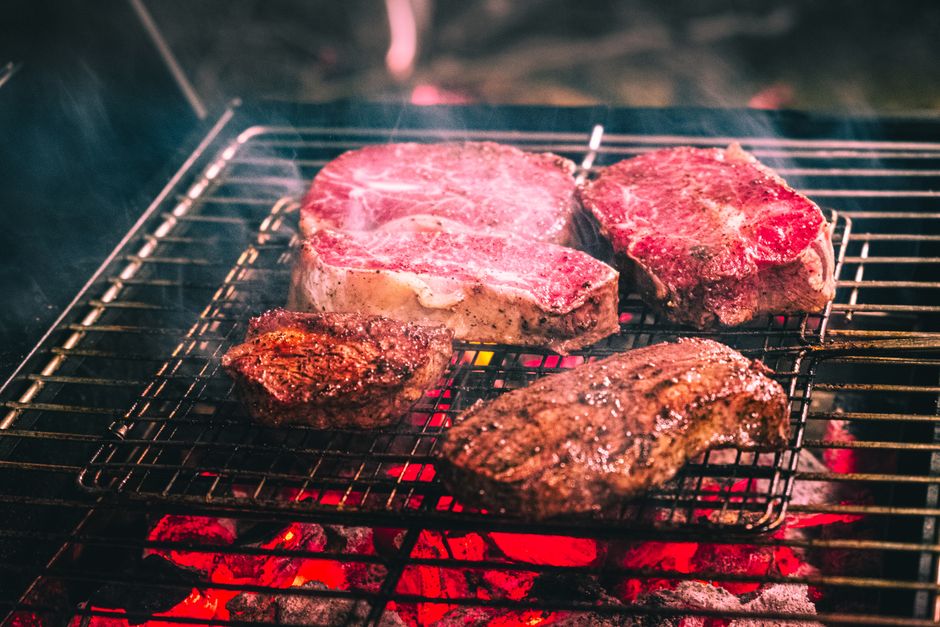
Yes, you can eat meat after gallbladder removal, but you may need to change how you eat it for a while. Your gallbladder is gone, so your body now handles fat differently. Many people tolerate lean meats like chicken and fish well. Fatty meats like bacon, sausage, and heavily marbled steak can cause diarrhea, bloating, and cramping. The key is starting with small portions of lean meat and seeing how your body responds.
What Changes in Your Body After Gallbladder Removal?
Your gallbladder stores bile, a fluid your liver makes to digest fat. When you eat a fatty meal, the gallbladder squeezes bile into your small intestine to break down the fat.
Without a gallbladder, bile drips continuously from your liver into your intestine. It is weaker and less concentrated. So when a large amount of fat arrives at once, your intestine cannot break it down quickly enough. The undigested fat passes through, pulling water with it. That is why fatty meals often cause loose stools after surgery.
This is not permanent for most people. Your digestive system slowly adapts over weeks or months. But the adaptation period is different for everyone. Some people return to a normal diet within a month. Others need a year or more of careful eating.
Which Meats Are Easiest to Digest?
Lean meats are generally the safest choice after gallbladder removal. They contain less fat, so your intestine can handle them without extra bile.
Good options include:
- Skinless chicken breast
- Turkey breast
- White fish like cod, haddock, or tilapia
- Lean cuts of pork like tenderloin
- Very lean cuts of beef like sirloin or round
How you cook the meat matters as much as which meat you choose. Grilling, baking, broiling, or steaming are gentle on your system. Frying adds fat that your body now struggles to process. Remove visible fat and skin before cooking. Trim any marbled sections from beef.
Start with a small portion, about the size of your palm. Wait and see how you feel for the next few hours. If you have no symptoms, you can gradually increase the portion over several weeks.
Which Meats Should You Avoid at First?
High-fat meats are the ones most likely to cause problems. This is not about avoiding meat entirely. It is about avoiding the fat that comes with certain cuts.
Meats to be cautious with include:
- Bacon and breakfast sausage
- Hot dogs and salami
- Ribeye, T-bone, and other heavily marbled steaks
- Lamb chops and other fatty cuts
- Duck and goose, which are higher in fat than chicken or turkey
- Fried chicken or fried fish
Processed meats are a double problem. They are high in fat and often contain additives that can irritate digestion. Some research suggests processed meats are linked to other health issues, but for gallbladder patients the immediate concern is the fat content.
This does not mean you can never eat these again. Many people reintroduce fatty meats slowly after a few months. But right after surgery, they are the most likely trigger for what doctors call post-cholecystectomy diarrhea.


How Much Meat Can You Eat Per Meal?
Portion size matters more than the type of meat for many people. A large steak contains more fat than a small one, even if both are the same cut.
A reasonable starting portion is 3 to 4 ounces of cooked meat, roughly the size of a deck of cards. Some people do better with even smaller portions, around 2 ounces, especially in the first two weeks after surgery.
Eating smaller meals more often can help. Instead of three large meals, try five or six smaller ones. This spreads the fat across the day and gives your intestine time to process each meal. Your continuous bile drip can handle small amounts of fat throughout the day better than one large surge.
What If Meat Gives You Diarrhea?
Post-surgery diarrhea is common. Studies suggest it affects up to 20 percent of people after gallbladder removal. For most, it improves within a few weeks or months. For some, it continues long-term.
If you eat meat and get diarrhea, do not assume you can never eat meat again. First, check the preparation. Was the meat fried or cooked with butter or oil? Was it a fatty cut? Try the same meat grilled or baked with no added fat.
If lean, unseasoned meat still causes diarrhea, give your system more time. Your intestine is still adapting. Wait a week, then try again with a smaller portion. Some people find that taking a bile acid binder medication, prescribed by their doctor, helps control diarrhea after surgery. This is a conversation for your healthcare provider, not something to self-treat.
Call your doctor if diarrhea persists beyond a few weeks, if you lose weight unintentionally, or if you see signs of dehydration. These symptoms may indicate a different problem, such as bile acid malabsorption, that requires specific treatment.
Do You Need to Take Digestive Enzymes or Supplements?
Some people ask about pancreatic enzyme supplements or ox bile pills after gallbladder removal. The evidence here is limited. No large clinical trials have confirmed that these supplements improve digestion after cholecystectomy.
Your pancreas still produces plenty of enzymes. The issue is bile, not enzymes. Over-the-counter ox bile supplements exist, but their quality and effectiveness vary widely. Some clinicians recommend them for specific patients, but there is no standard guideline supporting routine use.
If you are considering any supplement, talk to your surgeon or a gastroenterologist first. They can tell you whether it makes sense for your specific situation. Do not rely on marketing claims from supplement companies. No study has confirmed that these products are necessary after gallbladder removal.
How Long Until You Can Eat Normally Again?
There is no single timeline that applies to everyone. Most people can gradually return to a relatively normal diet within one to three months after surgery. Some people need longer.
The best approach is to keep a food diary during the first month. Write down what you ate, how much, and how you felt afterward. This gives you a clear picture of which foods your body tolerates and which ones cause symptoms. You may find that you can handle a hamburger but not a pepperoni pizza. That information is more useful than any general rule.
If you are eating a varied diet with lean proteins, vegetables, and whole grains without symptoms, you are doing well. There is no need to force yourself to eat fatty foods to test your limits. Your body will tell you when it is ready.
Can You Build Up a Tolerance to Fatty Meat?
Some people do develop a tolerance over time. The intestine adapts by becoming more efficient at absorbing fat. This is a gradual process, not something you can force quickly.
If you want to try reintroducing fattier meats, do it slowly. Add one small portion per week. Choose a moderately fatty option, like a lean ground beef burger or a pork chop with some marbling. See how your body responds over the next 24 hours. If you have no symptoms, you can try slightly fattier options the following week.
This gradual approach is not backed by a specific clinical protocol. It is common clinical practice based on how the digestive system adapts. Your personal tolerance is the best guide.
Frequently Asked Questions
Can I eat steak after gallbladder removal?
Lean cuts of steak like sirloin are often tolerated in small portions. Heavily marbled cuts like ribeye are more likely to cause diarrhea and cramping, especially soon after surgery.
How long after gallbladder surgery can I eat meat?
Most people can eat lean meat within a few days after surgery if they tolerate soft foods first. Start with small portions of chicken or fish before trying red meat.
Why does meat cause diarrhea after gallbladder removal?
Fatty meat sends more fat into your intestine than your bile can break down at once. The undigested fat pulls water into your bowel, causing loose stools.
Is chicken safe after gallbladder removal?
Skinless chicken breast is one of the safest meats after gallbladder removal. It is low in fat and easy to digest when baked, grilled, or broiled without added oil.
