
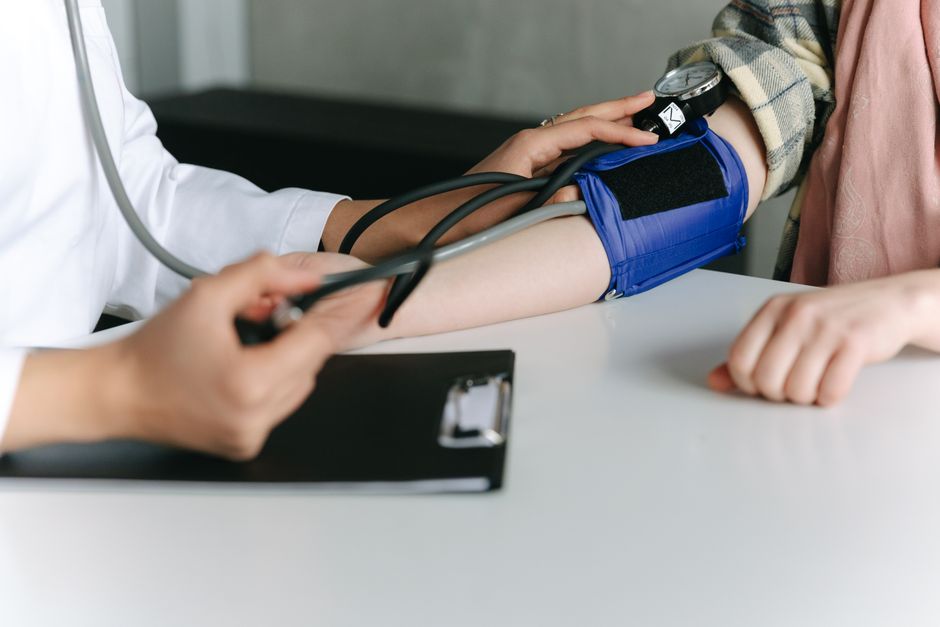
Blood pressure is measured in millimeters of mercury, written as mm Hg. A reading below 90/60 mm Hg is generally considered low blood pressure, also called hypotension. That number matters less than how you feel — many people live at 85/55 with no symptoms at all, while others feel dizzy and faint at 100/65.
What Is Low Blood Pressure Range?
The standard cutoff is 90/60 mm Hg. The top number (systolic) is the pressure in your arteries when your heart beats. The bottom number (diastolic) is the pressure between beats, while your heart refills.
For most adults, a normal resting blood pressure is below 120/80 mm Hg. Low blood pressure starts when readings fall under 90/60. These thresholds come from widely used clinical references, not from a single study.
Here is the part many people miss: a low number alone is not a diagnosis. Hypotension becomes a medical concern only when it causes symptoms or when it drops suddenly. A healthy 25-year-old athlete with a reading of 88/58 and no symptoms does not have a problem. A 70-year-old whose pressure falls to 88/58 after standing up may have a real one.
Blood pressure also changes naturally through the day. It tends to be lowest at night during sleep and rises in the morning. A single low reading in the afternoon is not meaningful on its own.
What Blood Pressure Numbers Mean
These ranges reflect widely used clinical categories for adults. They apply to readings taken while sitting quietly, not during exercise or right after caffeine.
| Category | Systolic (mm Hg) | Diastolic (mm Hg) |
|---|---|---|
| Low (hypotension) | Below 90 | Below 60 |
| Normal | Below 120 | Below 80 |
| Elevated | 120–129 | Below 80 |
| High (stage 1) | 130–139 | 80–89 |
| High (stage 2) | 140 or higher | 90 or higher |
Only one number needs to be low for a reading to count as low. For example, 85/70 is low because the systolic is under 90, even though the diastolic is normal.
What Causes Low Blood Pressure?
Doctors sort causes into a few broad groups. Some are harmless. Others signal a real problem.
Everyday causes include dehydration, standing up quickly, eating a large meal, and prolonged bed rest. Blood vessels widen after a meal as part of normal digestion, which can briefly lower pressure. Pregnancy commonly lowers blood pressure too, especially in the first two trimesters, because blood vessels relax and blood volume shifts.
Medications are a frequent culprit. Diuretics, some blood pressure drugs, certain antidepressants, and drugs used for Parkinson’s disease can all push pressure down. So can some medications for enlarged prostate.
Medical conditions that can cause low pressure include heart problems such as a slow heart rate or heart valve disease, hormone conditions like an underactive thyroid or adrenal insufficiency, severe infections, and significant blood loss. These are the situations where low pressure is a sign of something that needs treatment.
One clarification worth knowing: low blood pressure is not simply “the opposite of high blood pressure.” The two conditions have different causes, different risks, and different treatments. Having low pressure does not protect you from developing high pressure later.

What Are the Symptoms of Low Blood Pressure?
Symptoms are what turn a low number into a medical issue. Without them, most low readings need no treatment.
Common symptoms include:
- Dizziness or lightheadedness, especially when standing up
- Fainting
- Blurry or fading vision
- Fatigue
- Nausea
- Difficulty concentrating
- Cold, clammy, or pale skin
- Rapid or shallow breathing
The most common pattern is feeling dizzy when you stand. This happens because gravity pulls blood into your legs, and your body does not adjust fast enough. Normally, nerves signal blood vessels to tighten and the heart to beat slightly faster. When that reflex is slow or blunted, pressure drops for a few seconds.
Some symptoms are more serious. Chest pain, shortness of breath, confusion, a weak and rapid pulse, or fainting with injury all warrant urgent medical attention. These can point to shock, which is a medical emergency. Shock means organs are not getting enough blood, and it can develop from severe infection, allergic reaction, major blood loss, or heart failure.
When Should You See a Doctor?
See a doctor if low readings come with symptoms, if symptoms appear during or after exercise, or if you faint. Also seek care if you have a condition that affects blood pressure, such as heart disease or diabetes, or if you take medications that lower pressure.
Get emergency help for chest pain, severe shortness of breath, confusion, fainting with injury, or a pulse that feels very fast and weak. These signs can indicate shock, which requires immediate treatment.
Tracking your readings at home can help your doctor spot patterns. Measure at the same times each day, sit quietly for a few minutes first, and note what you were doing before each reading. Bring the log to your appointment.
How Is Low Blood Pressure Treated?
Treatment depends entirely on the cause and whether symptoms exist. No symptoms means no treatment in most cases.
When treatment is needed, doctors usually start with the underlying cause. If a medication is responsible, adjusting the dose or switching drugs often solves the problem. If dehydration is the cause, drinking more fluids helps. If a heart or hormone condition is involved, that condition gets treated directly.
For people with chronic symptomatic low pressure, some clinicians recommend simple measures: drinking more water, limiting alcohol, standing up slowly, and wearing compression stockings. Eating smaller, more frequent meals can help with pressure drops after eating. Some clinicians also recommend slightly more salt in the diet, but this should only be done with medical guidance — extra sodium is risky for people with heart or kidney conditions.
Medications to raise blood pressure exist, but they are used less often. They are generally reserved for cases where other steps have not worked and symptoms are significant. The evidence on how well these drugs work long-term is limited, and they are not a first-line answer for most people.
What you should not do is treat a low number on its own. If you feel fine, chasing a higher reading with salt tablets, stimulants, or unproven supplements is more likely to cause harm than good.
Does Low Blood Pressure Affect Long-Term Health?
For most healthy people, low blood pressure without symptoms has no known long-term consequences. Some research even suggests that people who naturally run lower than average may have better cardiovascular outcomes than those with high-normal readings. That said, the evidence here is not strong enough to call low blood pressure protective.
The picture changes with age. In older adults, drops in blood pressure during standing are linked to falls, fractures, and reduced quality of life. This is one reason blood pressure changes get closer attention after age 65.
Low blood pressure caused by another condition — heart failure, severe infection, or major blood loss — carries the risks of that underlying condition, not of the low number itself.
Frequently Asked Questions
What is a dangerously low blood pressure?
There is no single number that defines danger. Readings below 90/60 with symptoms like fainting, confusion, chest pain, or a weak rapid pulse need urgent medical attention.
Is 90/60 blood pressure too low?
It falls at the low end of the range, but whether it is a problem depends on symptoms. A reading of 90/60 with no symptoms is usually not a concern.
What should I do if my blood pressure drops suddenly?
Sit or lie down right away with your legs elevated, and drink water if you can. If symptoms do not improve quickly or include chest pain, confusion, or fainting, seek emergency care.
Can low blood pressure be cured?
When it is caused by something reversible, such as dehydration or a medication, correcting that cause usually resolves it. Chronic low blood pressure from an underlying condition is managed rather than cured.
