

Live sauerkraut is cabbage that has been fermented by lactic acid bacteria, and it can carry billions of live microorganisms per serving. Those microbes are the reason it gets called a probiotic food. Whether eating it actually changes your gut in a meaningful way is a more complicated question than most articles admit.
What Is Live Sauerkraut and How Is It Made?
Live sauerkraut is made through a process called lacto-fermentation. Shredded cabbage is packed with salt, and the salt pulls water out of the cabbage leaves. That salty water becomes a brine. Naturally present bacteria on the cabbage — mostly species in the Leuconostoc, Lactobacillus, and Pediococcus groups — begin to multiply in that brine.
As they grow, these bacteria convert sugars in the cabbage into lactic acid. That acid drops the pH of the mixture, which preserves the cabbage and prevents harmful organisms from taking hold. The whole process takes roughly one to four weeks at room temperature, depending on temperature and salt concentration.
The word “live” matters here. It means the sauerkraut has not been pasteurized or heat-treated after fermentation. Pasteurized sauerkraut still tastes sour and still contains the lactic acid, but the bacteria have been killed. It has no live cultures left.
You can find live sauerkraut in the refrigerated section of most grocery stores. If it sits on a shelf at room temperature, it is almost certainly pasteurized. That is a useful rule of thumb.
What Are Probiotics and How Do They Relate to Fermented Foods?
Probiotics are live microorganisms that, when consumed in adequate amounts, provide a health benefit to the host. That definition comes from a widely cited expert consensus convened by the Food and Agriculture Organization of the United Nations and the World Health Organization in 2001. The key phrase is “adequate amounts.”
Not every fermented food qualifies as a probiotic under that definition. To meet it, a food needs documented health benefits at a specific dose, with a known strain or strains. Most sauerkraut does not have that documentation.
This is where a lot of marketing language gets loose. Sauerkraut contains live bacteria. That part is true. But “contains live bacteria” and “is a probiotic” are not the same claim. Many researchers describe fermented foods like sauerkraut as probiotic-containing foods or “fermented foods with live cultures” rather than probiotics in the strict sense.
The distinction matters because it affects what you can reasonably expect. A product with a documented probiotic strain at a studied dose has evidence behind that specific use. A jar of sauerkraut has live microbes, but the strains, the counts, and the effects vary widely from batch to batch and brand to brand.
What Is Live Sauerkraut Probiotics And Gut Health — How Do They Connect?
The connection runs through the gut microbiome, the community of trillions of bacteria and other microorganisms living in your digestive tract. These microbes help break down certain fibers, produce some vitamins, and interact with your immune system.
When you eat live sauerkraut, some of the bacteria survive the trip through stomach acid and reach the intestines. Stomach acid kills many of them, but not all. The ones that arrive join the existing microbial community, at least temporarily.
Here is the part that gets oversold. Most of the bacteria in fermented foods are transient. They pass through rather than taking up permanent residence. They may influence the gut environment while they are there, but they generally do not colonize your gut long-term.
Some studies suggest that regular consumption of fermented foods can shift certain markers, such as increasing microbial diversity or changing levels of inflammatory signals. A commonly cited study from researchers at Stanford, published in the journal Cell in 2021, found that a diet high in fermented foods increased microbiome diversity and decreased several markers of inflammation in healthy adults. That study looked at fermented foods as a category, not sauerkraut alone.
The honest summary: the mechanisms are plausible and some human data support them, but the evidence for sauerkraut specifically is thin. Most research on probiotics uses isolated, defined strains in capsules or powders, not fermented cabbage.

Does Eating Sauerkraut Actually Change Your Gut Bacteria?
It can change some things. Whether those changes matter for your health is less clear.
Several factors determine what happens when you eat live sauerkraut:
- How much you eat. Small condiment portions carry far fewer live microbes than larger servings.
- What strains are in that batch. The bacterial mix depends on the cabbage, the salt level, the temperature, and the fermentation time.
- Your starting microbiome. Two people can eat the same food and have different responses.
- What else you eat. A diet rich in fiber and plant foods generally supports a more diverse gut community than one that is not.
One practical issue is dose. Commercial probiotic products usually list a specific count of colony-forming units, or CFUs, on the label. Sauerkraut rarely does. The number of live bacteria in a spoonful can range widely and is not standardized.
There is also a difference between changes you can measure in a lab and changes you can feel. A study might detect a shift in bacterial populations without any corresponding difference in digestion, energy, or symptoms. That gap is real and worth keeping in mind.
Are the Health Benefits of Sauerkraut Proven?
No. The specific health benefits of eating live sauerkraut are not established by large clinical trials.
What is established is that cabbage itself is nutritious. It provides vitamin C, vitamin K, and fiber. Fermentation can increase the availability of some nutrients and produces lactic acid, which gives the tangy flavor. Some research suggests fermented foods may support digestive comfort, but results vary and study designs differ.
Claims you may see about sauerkraut boosting immunity, curing digestive disorders, or “resetting” the gut are not supported by clinical evidence. No study has confirmed those effects. The gut microbiome is complex, and no single food reshapes it in a predictable, dramatic way.
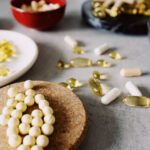
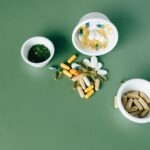
There is also a common misconception worth correcting. Many people assume that because sauerkraut is fermented, it acts like a probiotic supplement. It does not work the same way. Supplements use specific strains at controlled doses that have been studied. Sauerkraut is a food with variable microbial content and no standardized dose.
Who Should Be Careful With Live Sauerkraut?
Live sauerkraut is generally safe for most healthy adults. But there are situations where caution is warranted.
Sauerkraut is high in sodium. A typical serving can contain a meaningful share of the daily sodium limit recommended for adults, which is 2,300 milligrams per day according to U.S. dietary guidelines. People with high blood pressure, heart failure, or kidney disease may need to limit it. If you are on a sodium-restricted diet, check the label or ask your clinician.
People with histamine intolerance may react to fermented foods. Fermentation produces histamine, and some individuals are sensitive to it. Symptoms can include headaches, flushing, or digestive discomfort.
Anyone who is immunocompromised should talk to a doctor before eating unpasteurized fermented foods. Live bacteria that are harmless for most people can occasionally cause problems when the immune system is weakened. This is a genuine concern, not a theoretical one.
For pregnant women, infants, and young children, no clinical guidelines specifically address live sauerkraut consumption. If you have questions about these groups, ask a healthcare provider rather than relying on general advice.
If you have never eaten live fermented foods, starting with a small amount is reasonable. Some people experience temporary gas or bloating as their digestive system adjusts.
How Should You Choose and Store Live Sauerkraut?
Look for sauerkraut in the refrigerated section. Check the label for words like “raw,” “unpasteurized,” or “live cultures.” If the label says “pasteurized” or “shelf-stable,” the bacteria are gone.
Refrigeration matters because heat and time reduce live bacterial counts. Once you open a jar, keep it cold and eat it within a reasonable period. The exact shelf life varies by product, so follow the manufacturer’s guidance.
Making sauerkraut at home is possible and many people do it. It requires clean equipment, the right salt concentration, and proper fermentation conditions. Getting the salt ratio wrong can allow harmful bacteria to grow. If you ferment at home, follow a tested recipe from a reliable food safety source rather than improvising.
One more note on cooking. Heating live sauerkraut kills the bacteria. If your goal is to consume live cultures, add it to dishes after cooking or eat it cold. If you just want the flavor and the lactic acid, cooking is fine.
Frequently Asked Questions
Is live sauerkraut actually a probiotic?
It contains live bacteria, but it does not meet the strict definition of a probiotic, which requires documented health benefits at a specific dose. Most researchers call it a probiotic-containing food rather than a probiotic.
How much live sauerkraut should I eat for gut health?
No established clinical guideline specifies a dose of sauerkraut for gut health benefits. Serving sizes vary widely in live bacterial content, and no standardized amount has been shown to produce specific outcomes.
Does cooking sauerkraut kill the probiotics?
Yes. Heat kills the live bacteria, so cooked sauerkraut no longer provides live cultures. The lactic acid and flavor remain, but the microorganisms do not survive cooking.
Can live sauerkraut cause digestive problems?
Some people experience temporary gas or bloating when they first eat fermented foods, and those with histamine sensitivity may react. People who are immunocompromised should consult a doctor before eating unpasteurized fermented foods.
