
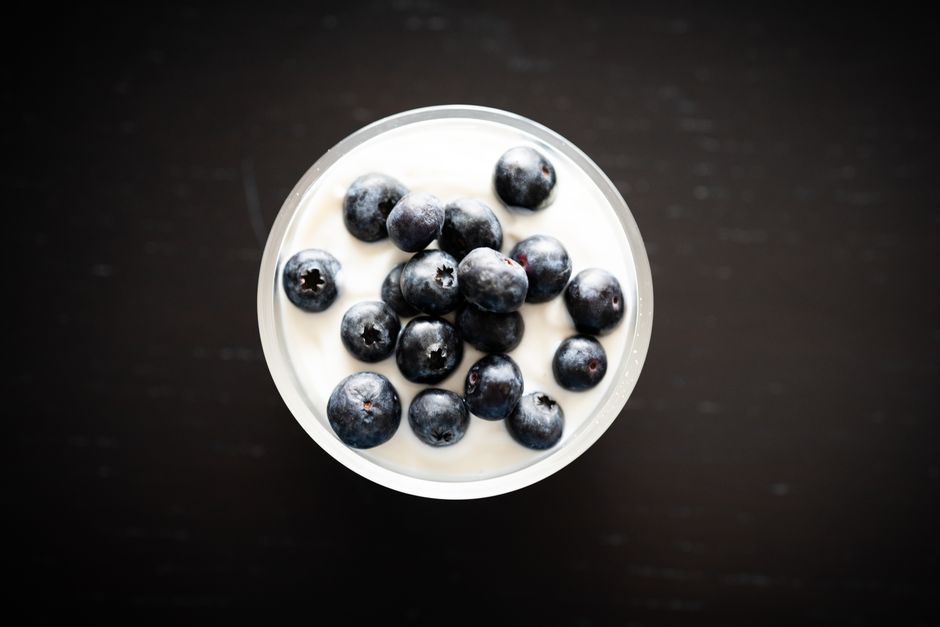
Probiotics are live microorganisms that can benefit your health when taken in the right amounts. The most useful ones for gut health belong to two main groups: Lactobacillus and Bifidobacterium. Research shows these strains can help with digestion, support the gut lining, and reduce symptoms of certain digestive conditions. But the honest answer is that no single probiotic works for everyone. The right choice depends on the specific health issue you are trying to address.
What Are Probiotics and How Do They Work?
Your digestive tract contains trillions of bacteria and other microbes. Together, these form your gut microbiome. The balance of these organisms affects digestion, immune function, and even mood.
Probiotics work by adding beneficial bacteria to this system. They can help crowd out harmful bacteria, produce substances that support the gut lining, and interact with immune cells in the intestinal wall. Some strains also help break down food components that your body cannot digest on its own.
Not all probiotics survive the journey through your stomach. Stomach acid and digestive enzymes can kill many strains before they reach the intestines. This is why manufacturers often use strains that are resistant to acid or deliver them in capsules designed to survive stomach conditions.
Which Probiotic Strains Have the Strongest Evidence?
Research consistently shows that certain strains have more evidence behind them than others. The strain name matters more than the brand name. A product label lists the genus, species, and strain — for example, Lactobacillus rhamnosus GG.
Some of the most studied strains include:
- Lactobacillus rhamnosus GG — often studied for preventing antibiotic-associated diarrhea
- Saccharomyces boulardii — a yeast probiotic studied for traveler’s diarrhea and antibiotic-related digestive issues
- Bifidobacterium lactis — studied for constipation relief and general digestive comfort
- Lactobacillus acidophilus — commonly found in yogurt and fermented foods; studied for lactose digestion support
- Lactobacillus plantarum — studied for its ability to survive stomach acid and support gut barrier function
Each strain behaves differently in the body. A strain that helps with constipation may do nothing for bloating. This is why matching the strain to the condition matters.
What Probiotics Are Good for Gut Health in Specific Conditions?
The evidence for probiotics varies by condition. Some digestive issues have strong clinical support for probiotic use. Others do not.
Antibiotic-associated diarrhea has the strongest evidence base. Taking probiotics alongside antibiotics can reduce the risk of diarrhea by roughly half. Lactobacillus rhamnosus GG and Saccharomyces boulardii have the most research supporting this use.
Irritable bowel syndrome (IBS) shows moderate evidence for symptom improvement. Some studies suggest certain multi-strain products can reduce bloating and abdominal pain. But results vary widely between individuals, and no single strain works for everyone with IBS.
Constipation has decent evidence for Bifidobacterium lactis strains. Research published in the American Journal of Clinical Nutrition found these strains can increase stool frequency and soften stool consistency.
Inflammatory bowel disease (IBD) — including Crohn’s disease and ulcerative colitis — has limited evidence. Some small studies suggest certain strains may help maintain remission, but no probiotic is currently recommended as a primary treatment for IBD. Do not replace prescribed IBD medications with probiotics.




How to Choose a Probiotic Supplement
Reading a probiotic label requires some knowledge. Look for three things: the genus, the species, and the strain. A label that only says “Lactobacillus” without a strain name is too vague.
Check the colony-forming units (CFUs). This number tells you how many live organisms are in each dose. Most effective products contain between 1 billion and 100 billion CFUs per serving. Higher numbers are not always better — the strain matters more than the count.
Look for products that guarantee live organisms through the expiration date, not just at the time of manufacture. Many products lose potency over time.
Consider the delivery form. Capsules and powders are common. Some products use enteric coatings or special delivery systems to protect the bacteria from stomach acid. The evidence for these delivery systems is mixed, but they are generally safe to try.
Refrigerated products are not necessarily better than shelf-stable ones. Modern manufacturing can produce shelf-stable strains that survive at room temperature. Follow the storage instructions on the label.
Probiotics in Food vs. Supplements
Fermented foods are a natural source of probiotics. Yogurt with live cultures, kefir, sauerkraut, kimchi, and kombucha all contain beneficial bacteria. But the strains and amounts vary widely between products.
Food sources offer advantages beyond probiotics. They also provide nutrients, fiber, and other compounds that support gut health. Fermented foods are generally safe for most people and can be part of a healthy diet.
Supplements offer more control over the specific strain and dose. If you are targeting a specific condition, supplements are often more reliable because the strain and CFU count are listed on the label.
Some research suggests that a diet rich in fermented foods may increase microbiome diversity more effectively than probiotic supplements alone. A study published in Cell found that a diet high in fermented foods increased microbial diversity and reduced markers of inflammation. But both approaches have value, and they are not mutually exclusive.
Prebiotics: The Other Half of the Equation
Probiotics need food to survive. That food is called a prebiotic. Prebiotics are types of fiber that your body cannot digest but that beneficial bacteria can use as fuel.
Good sources of prebiotics include garlic, onions, leeks, asparagus, bananas, oats, and apples. These foods contain inulin, fructooligosaccharides (FOS), and other fermentable fibers.
Consuming prebiotics alongside probiotics — sometimes called synbiotics — may improve the survival and activity of the probiotic organisms. Some supplement products combine both. But eating a diet rich in fiber is the most straightforward way to support your gut bacteria.
Many people do not get enough fiber. Most adults need 25 to 38 grams per day, but the average intake is much lower. Increasing fiber intake gradually can help avoid gas and bloating.
Who Should Be Cautious About Probiotics?
Probiotics are safe for most healthy people. Mild gas and bloating can occur in the first few days of use and typically resolve on their own.
Certain groups should be more careful. People with weakened immune systems — including those undergoing chemotherapy, organ transplant recipients, and people with severe pancreatitis — should consult a doctor before taking probiotics. In rare cases, live bacteria can cause infections in these populations.
People with central venous catheters should also exercise caution. There have been rare reports of probiotic-related bloodstream infections in hospitalized patients with these devices.
Pregnant and breastfeeding women should talk to their healthcare provider before starting any supplement, including probiotics. No clinical guidelines currently exist for probiotic use in these populations.
If you have a serious digestive condition, discuss probiotic use with your doctor. They can help you determine whether a specific strain is appropriate for your situation.
What the Evidence Does Not Support
The probiotic market is full of claims that outpace the science. No probiotic has been proven to cure any disease. No product can “completely transform” your gut health overnight.
Some marketing claims suggest probiotics can treat conditions like autism, depression, or obesity. The evidence for these uses is preliminary at best. No large human trials have confirmed these effects, and no clinical guidelines recommend probiotics for these purposes.
Claims about specific CFU counts are often misleading. A product with 100 billion CFUs is not necessarily better than one with 10 billion. The strain and its ability to reach the intestines matter more than the raw count.
Some products claim to be “clinically proven.” This phrase is vague. Ask what specific outcome was proven, in what population, and with what strain. If the label does not provide these details, the claim is likely marketing rather than science.
Frequently Asked Questions
How long does it take for probiotics to work?
Most people notice effects within one to two weeks of consistent use. Some conditions, like antibiotic-associated diarrhea, may respond within days while others take longer.
Can you take probiotics every day?
Yes, daily use is generally safe for healthy adults. The evidence does not suggest that taking breaks from probiotics provides any benefit.
Do probiotics survive stomach acid?
Some strains survive better than others. Lactobacillus and Bifidobacterium strains have moderate acid tolerance, while Saccharomyces boulardii is naturally resistant to stomach acid.
Are expensive probiotics better than cheap ones?
Price does not determine effectiveness. The strain, the CFU count at expiration, and the manufacturing quality matter more than the cost.
