
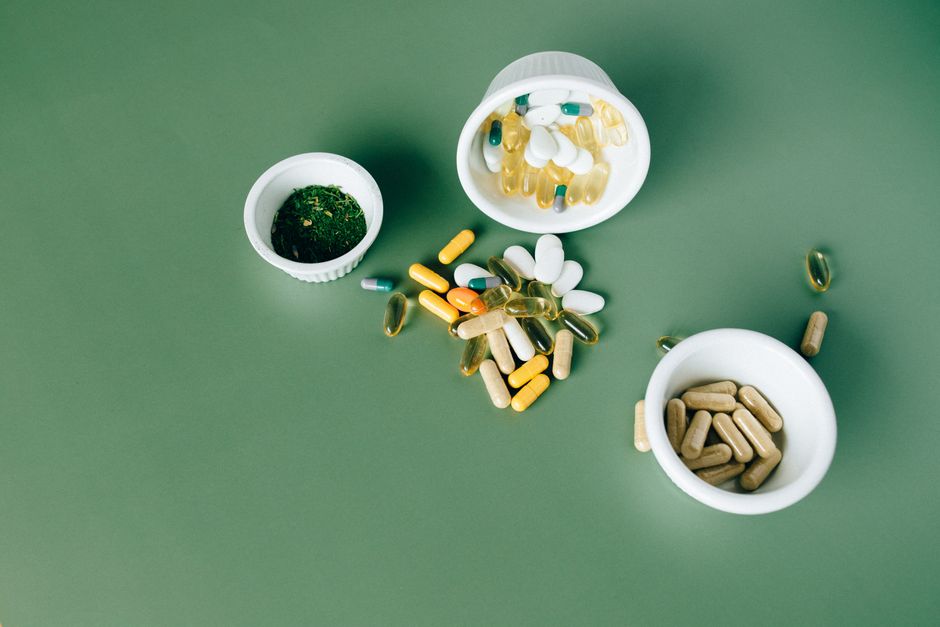
Healing your gut starts with a simple, evidence-based shift: eat more fiber, add fermented foods, and cut back on ultra-processed foods. Probiotics can help, but they are not a magic fix. The most reliable approach is a consistent diet change, not a supplement. Here is what the science actually says about repairing your digestive system.
What Does “Healing Your Gut” Actually Mean?
The phrase “gut healing” gets thrown around a lot. In medicine, it usually refers to restoring the lining of your intestines and balancing the community of bacteria that live there. That community is called the gut microbiome.
Your gut lining is a single layer of cells. It absorbs nutrients and keeps out harmful substances. When this barrier is damaged, some researchers call it “leaky gut.” This is a real condition in certain diseases like celiac disease or Crohn’s disease. But whether a slightly more permeable gut causes problems in healthy people is still debated.
What is not debated is that your diet changes your gut bacteria within days. Studies have shown that switching to a plant-heavy diet alters the microbiome quickly. The bacteria that feed on fiber thrive. The ones that prefer sugar and fat decline. This is the foundation of gut health.
How To Heal Your Gut Diet Probiotics More?
The most direct answer is to feed the good bacteria already living in your colon. These bacteria ferment dietary fiber and produce short-chain fatty acids like butyrate. Butyrate is the main energy source for your colon cells. It helps maintain the gut barrier and reduces inflammation.
This means the best “gut healing” diet is high in plant foods. Aim for a wide variety of fruits, vegetables, legumes, nuts, and whole grains. The American Gut Project, a large citizen-science study, found that people who ate more than 30 different plant foods per week had more diverse gut bacteria than those who ate 10 or fewer. Diversity is a marker of a healthy microbiome.
Probiotics add bacteria. Prebiotics feed the bacteria you already have. You need both. Fermented foods like yogurt, kefir, sauerkraut, and kimchi contain live bacteria. High-fiber foods like oats, onions, garlic, and bananas are prebiotics. A diet that includes both is the most practical way to support your gut.
What Foods Damage the Gut Lining?
Some foods are consistently linked to worse gut health. Ultra-processed foods top the list. These include packaged snacks, sugary drinks, fast food, and many breakfast cereals. They are low in fiber and high in additives that may irritate the gut lining.
Artificial sweeteners deserve special attention. Some research suggests that sweeteners like saccharin and sucralose can change the gut microbiome in ways that impair glucose metabolism. The evidence is not definitive in humans, but it is strong enough to be cautious.
Alcohol is another factor. Heavy drinking damages the gut lining and increases intestinal permeability. This is well established. Reducing alcohol intake is one of the most direct ways to protect your gut.
Food intolerances are different. If you have lactose intolerance or a sensitivity to FODMAPs (fermentable carbohydrates), certain foods cause symptoms like bloating and diarrhea. This does not mean those foods are “damaging” your gut. It means your digestive system cannot break them down fully. Avoiding trigger foods is a management strategy, not a healing strategy.

Do Probiotic Supplements Actually Work?
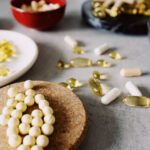
Probiotic supplements are a multi-billion dollar industry. The evidence for them is mixed. Some specific strains have been shown to help with certain conditions. For example, certain strains of Lactobacillus and Bifidobacterium reduce antibiotic-associated diarrhea. Others help with irritable bowel syndrome symptoms.
But here is the problem: the effects are strain-specific. A probiotic that works for one condition may do nothing for another. And many supplements contain strains that have never been tested in human trials. The label may say “10 billion CFUs” but that number does not tell you if the strain is effective for your specific issue.
If you take antibiotics, a probiotic can help prevent diarrhea. This is one of the few situations where the evidence is clear. Otherwise, the most honest answer is that fermented foods are likely more beneficial than supplements. Fermented foods deliver live bacteria in a food matrix that includes other nutrients. Some research suggests they are more effective at improving microbiome diversity than pills.
If you do choose a supplement, look for one that lists specific strains, not just species. A product that says “Lactobacillus acidophilus” is less specific than one that says “Lactobacillus acidophilus NCFM.” The strain matters. But even then, results vary from person to person.
How Long Does It Take To Heal Your Gut?
There is no single timeline. It depends on your starting point and what caused the problem. If your gut issues come from a poor diet, changes can start within days. The microbiome shifts quickly when you change what you eat.
But symptoms like bloating or irregular bowel movements may take weeks to improve. The gut lining itself regenerates every few days to a week. However, chronic inflammation or an imbalance in bacteria can take longer to resolve.
If you have a diagnosed condition like inflammatory bowel disease or celiac disease, healing follows a different path. These conditions require medical treatment, not just diet changes. Do not stop prescribed medications in favor of dietary changes alone. Work with your doctor.
One important note: if you have persistent gut symptoms like severe pain, unexplained weight loss, blood in your stool, or anemia, see a doctor. These are not signs of a simple dietary imbalance. They require proper evaluation.
What About Elimination Diets?
Elimination diets remove certain foods to see if symptoms improve. The most common is the low-FODMAP diet for irritable bowel syndrome. This diet removes fermentable carbohydrates for a few weeks, then slowly reintroduces them to identify triggers.
This approach works for many people with IBS. Research has shown it reduces symptoms in about 50-80% of people who try it. But it is not a long-term diet. It is a diagnostic tool. The goal is to identify your specific triggers and then eat as broadly as possible without symptoms.
Do not do a strict elimination diet without guidance. Removing entire food groups can lead to nutrient deficiencies. If you have IBS, work with a dietitian who specializes in the low-FODMAP protocol. They can guide you through the elimination and reintroduction phases safely.
A common mistake is staying on the elimination phase too long. This can shrink your microbiome diversity, which is the opposite of what you want. The reintroduction phase is essential.
Lifestyle Factors That Affect Gut Health
Diet is the biggest lever, but not the only one. Sleep, stress, and exercise all influence the gut microbiome. This is not marketing hype. There is real physiology behind it.
Stress activates the sympathetic nervous system. This changes gut motility, secretion, and blood flow. Chronic stress is linked to increased intestinal permeability in animal studies. Managing stress through mindfulness, therapy, or regular physical activity may help your gut.
Sleep matters too. The gut microbiome follows a circadian rhythm. Disrupted sleep patterns can alter the composition of gut bacteria. One study found that just two nights of sleep restriction changed the microbiome in healthy men. The clinical significance is not fully clear, but the connection is real.
Exercise has a positive effect. Regular physical activity is associated with greater microbial diversity. This may be because exercise increases blood flow to the gut or because active people tend to eat better. Either way, movement is part of the picture.
Antibiotics are a major disruptor. They kill both harmful and beneficial bacteria. If you need antibiotics, take them as prescribed. After a course, eating a diverse, fiber-rich diet is the best way to help your microbiome recover. Some research suggests probiotics after antibiotics can help, but the evidence is not uniform.
What About Gluten and Dairy?
Gluten is not harmful for most people. Only those with celiac disease or a diagnosed wheat allergy need to avoid it. Non-celiac gluten sensitivity is a real but poorly understood condition. Some people feel better on a gluten-free diet even without a diagnosis. The evidence here is limited, and the mechanism is unclear.
Dairy is similar. Lactose intolerance is common, especially in people of East Asian, African, or Hispanic descent. If you are lactose intolerant, your body does not produce enough lactase, the enzyme that breaks down lactose. This causes gas, bloating, and diarrhea. Lactose-free dairy or fermented dairy like yogurt may be better tolerated.
If you suspect gluten or dairy is a problem, keep a symptom diary. Do not cut these foods out permanently without evidence. Unnecessary dietary restrictions can reduce your nutrient intake and microbiome diversity.
Frequently Asked Questions
What is the fastest way to heal your gut?
No method is instant. The fastest evidence-based approach is to increase fiber-rich plant foods and reduce ultra-processed foods. You may notice changes in digestion within a week.
Are probiotics better than fermented foods?
Fermented foods are generally more beneficial because they provide live bacteria plus other nutrients. Probiotic supplements can help in specific situations, like after antibiotics, but fermented foods support long-term gut health more consistently.
Can you heal your gut with diet alone?
For most people with mild digestive issues, yes. Diet is the most powerful tool. But if you have a diagnosed condition like Crohn’s disease or ulcerative colitis, diet alone is not enough and medical treatment is required.
Is the low-FODMAP diet safe for long-term gut health?
No, it is not meant for long-term use. It is a short-term elimination protocol to identify triggers. Staying on it too long can reduce microbiome diversity. Work with a professional to complete the reintroduction phase.
Gut health is not about a single miracle food or supplement. It is about consistent dietary patterns. Eat a wide range of plant foods. Include fermented foods regularly. Limit ultra-processed foods and alcohol. Manage stress and sleep well. These are the actions with real evidence behind them.
