
Getting enough protein on a keto diet without eating carbs sounds harder than it is. The direct answer is simple: eat meat, poultry, fish, eggs, and certain dairy products. These foods have protein and virtually zero carbs. A 3-ounce serving of chicken breast gives you about 26 grams of protein with zero carbs. A large egg has 6 grams of protein and less than 1 gram of carbs. The real challenge is not finding these foods. It is eating enough of them to meet your protein needs while staying within your fat and calorie goals.
What Are the Best Zero-Carb Protein Sources for Keto?
The most reliable zero-carb protein sources come from animals. Beef, pork, lamb, chicken, turkey, and fish all contain protein with no carbohydrates. Organ meats like liver and heart are also excellent choices. A 4-ounce beef steak provides roughly 28 grams of protein and zero carbs. Salmon offers about 23 grams of protein per 4-ounce serving with no carbs.
Eggs are a staple for many people on keto. One large egg has 6 grams of protein and less than 1 gram of carbs. You can eat several eggs per day without worrying about carb intake. Some dairy products also work well. Hard cheeses like cheddar and parmesan have minimal carbs. A one-ounce serving of cheddar cheese has about 7 grams of protein and less than 1 gram of carbs.
Seafood is another strong option. Shrimp, crab, and lobster are all protein-rich with zero carbs. A 4-ounce serving of shrimp delivers about 24 grams of protein. Canned tuna is convenient and gives you roughly 22 grams of protein per 3-ounce can. The key is choosing whole, unprocessed animal foods. Processed meats like bacon and sausage often have added sugars or fillers that add carbs. Read labels carefully.
How Much Protein Do You Actually Need on Keto?
Protein needs vary by person. The general recommendation for someone on a keto diet is 1.2 to 2.0 grams of protein per kilogram of body weight. For a 150-pound person, that means 82 to 136 grams of protein per day. This range is supported by research published in the Journal of the International Society of Sports Nutrition. Going below this range can lead to muscle loss over time.
Your activity level changes your needs. If you exercise regularly, aim for the higher end of that range. Sedentary adults can stay at the lower end. Age also matters. Adults over 60 may need more protein to prevent age-related muscle loss. The American College of Sports Medicine has noted that older adults benefit from higher protein intakes, even on keto.
Many people on keto worry that too much protein will kick them out of ketosis. This is mostly a myth for most people. Your body can convert excess protein into glucose through a process called gluconeogenesis. But this is a demand-driven process, not a supply-driven one. Unless you are eating massive amounts of protein far above your needs, it will not break ketosis. A study in the journal Nutrition & Metabolism found that high protein intake did not impair ketosis in people on a very low-carb diet.
How To Get More Protein On Keto Zero Carb Sources Without Going Over Fat?
Fat is calorie-dense. One gram of fat has 9 calories. One gram of protein has 4 calories. If you eat fatty cuts of meat to get protein, you may overshoot your calorie limit. Choose leaner cuts of meat instead. Chicken breast, turkey breast, lean beef like sirloin, and fish like cod or tilapia are good options. These give you protein without the extra fat calories.
Egg whites are another tool. Whole eggs have fat in the yolk. Egg whites are pure protein. You can eat a mix of whole eggs and egg whites to control fat intake. A cup of liquid egg whites has about 26 grams of protein and less than 1 gram of carbs with almost no fat.
Consider protein powder as a supplement. Whey protein isolate and egg white protein powder have zero to very few carbs. A typical scoop has 25 grams of protein with less than 1 gram of carbs. Mix it with water or unsweetened almond milk. This is a clean way to add protein without adding fat. The table below compares common zero-carb protein sources by their protein and fat content.
| Food | Serving Size | Protein (grams) | Fat (grams) | Carbs (grams) |
|---|---|---|---|---|
| Chicken breast (skinless) | 4 oz | 28 | 3 | 0 |
| Egg whites | 1 cup | 26 | 0 | 0 |
| Cod | 4 oz | 21 | 1 | 0 |
| Lean beef sirloin | 4 oz | 26 | 5 | 0 |
| Shrimp | 4 oz | 24 | 1 | 0 |
| Whey protein isolate | 1 scoop | 25 | 0.5 | 0-1 |



What About Plant-Based Protein Sources on Keto?
Plant-based proteins almost always come with carbs. Beans, lentils, and chickpeas have significant carbohydrate content. A half-cup of black beans has about 20 grams of carbs. That is too many for most people on keto. Tofu and tempeh are better options. Firm tofu has about 10 grams of protein per half-cup and 2 to 3 grams of carbs. Tempeh has about 15 grams of protein per half-cup and 7 grams of carbs.
Nuts and seeds provide protein but also fat and some carbs. Almonds have 6 grams of protein per ounce with 6 grams of carbs, 3 of which are fiber. Net carbs are 3 grams. Pumpkin seeds offer 7 grams of protein per ounce with 4 grams of net carbs. These can fit into a keto diet if you measure portions carefully. But they are not zero-carb sources.
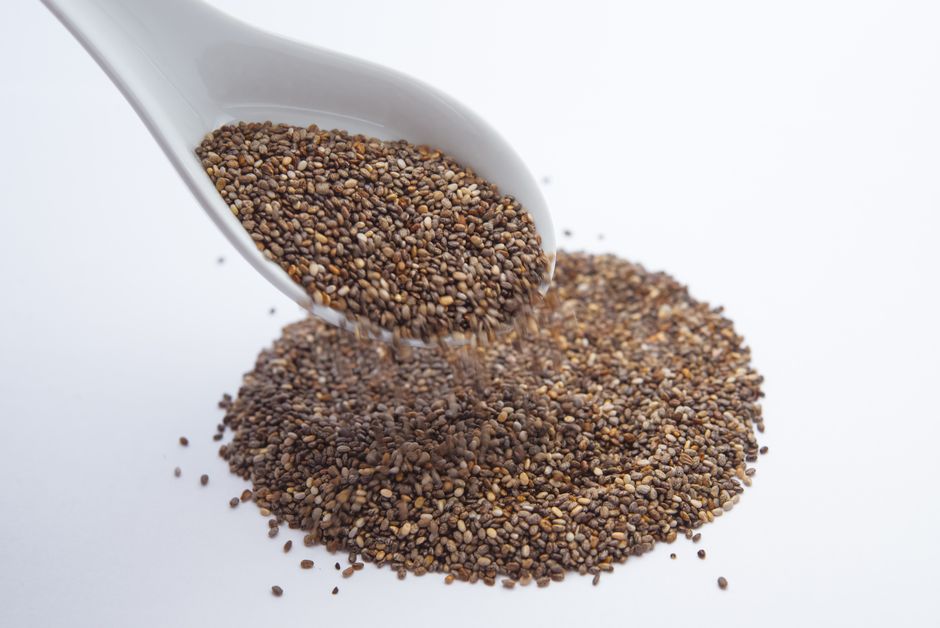
Some people report success with hemp seeds or chia seeds. Hemp seeds have 10 grams of protein per ounce and about 2 grams of net carbs. Chia seeds have 5 grams of protein per ounce and 2 grams of net carbs. These are higher in carbs than animal sources. If you are strict about zero carbs, stick with animal proteins. If you allow some carbs, these plant options can add variety.
Common Mistakes When Trying to Increase Protein on Keto
One common mistake is relying on fatty meats and thinking you are getting enough protein. A 4-ounce pork belly has about 12 grams of protein and 40 grams of fat. You would need to eat a lot of it to hit your protein target, which means a huge calorie intake. Choose leaner meats to get protein efficiently.
Another mistake is ignoring meal timing. Spreading protein across meals helps your body use it better. Research in the journal Nutrients suggests that consuming 20 to 40 grams of protein per meal supports muscle protein synthesis. Eating all your protein in one large dinner may not be as effective as distributing it across breakfast, lunch, and dinner.
Some people also forget about collagen and gelatin. These are protein sources but they are incomplete. They lack certain essential amino acids. You should not rely on bone broth or collagen supplements as your main protein source. They can add to your intake but should not replace whole protein foods.
Finally, do not skip vegetables entirely. While this article focuses on zero-carb protein, vegetables provide important micronutrients. A cup of spinach has only 1 gram of net carbs. You can eat plenty of low-carb vegetables without affecting your protein goals.
How To Get More Protein On Keto Zero Carb Sources When Eating Out?
Eating out on keto requires some planning. Most restaurants serve meat and fish. Order grilled chicken, steak, or fish without sauces. Sauces often contain sugar or flour. Ask for butter or olive oil instead. A plain grilled salmon fillet has about 30 grams of protein and zero carbs.
Fast food options exist too. A bunless burger from most chains gives you a patty with 20 to 30 grams of protein. Order it without ketchup or special sauces. Some fast food places offer grilled chicken salads. Skip the croutons and sugary dressing. Use oil and vinegar or a simple ranch dressing with no added sugar.
Buffets can work well if you choose wisely. Focus on the carved meats, grilled fish, and hard-boiled eggs. Avoid breaded or fried items. A study from the University of Michigan found that people who plan their restaurant choices ahead of time are more likely to stick to their dietary goals. Look at the menu online before you go.
Practical Meal Ideas for Zero-Carb Protein
Here is a simple list of meal ideas that use only zero-carb protein sources:
- Breakfast: Three scrambled eggs with cheddar cheese
- Lunch: Canned tuna mixed with mayonnaise on lettuce wraps
- Dinner: Grilled chicken breast with steamed broccoli and butter
- Snack: Hard-boiled eggs or beef jerky (check labels for added sugar)
- Post-workout shake: Whey protein isolate mixed with water
These meals keep carbs at zero or near zero. You can adjust portion sizes based on your protein needs. If you need more protein, add an extra egg or an additional serving of meat. The key is consistency. Eating protein-rich foods at every meal makes it easier to hit your daily target.
Frequently Asked Questions
Can I eat too much protein on keto?
For most people, eating more protein than needed will not break ketosis. Your body only converts protein to glucose when it needs glucose, not just because you ate protein.
What is the best zero-carb protein powder for keto?
Whey protein isolate and egg white protein powder both have zero to one gram of carbs per serving. Check the label to ensure no added sugars or fillers.
How many eggs can I eat per day on keto?
There is no strict limit. Eggs have less than one gram of carbs each, so you can eat several per day. Focus on your total protein and fat goals for the day.
Is cheese a good zero-carb protein source?
Hard cheeses like cheddar and parmesan have less than one gram of carbs per ounce. Soft cheeses like cottage cheese have more carbs, so check labels.
