
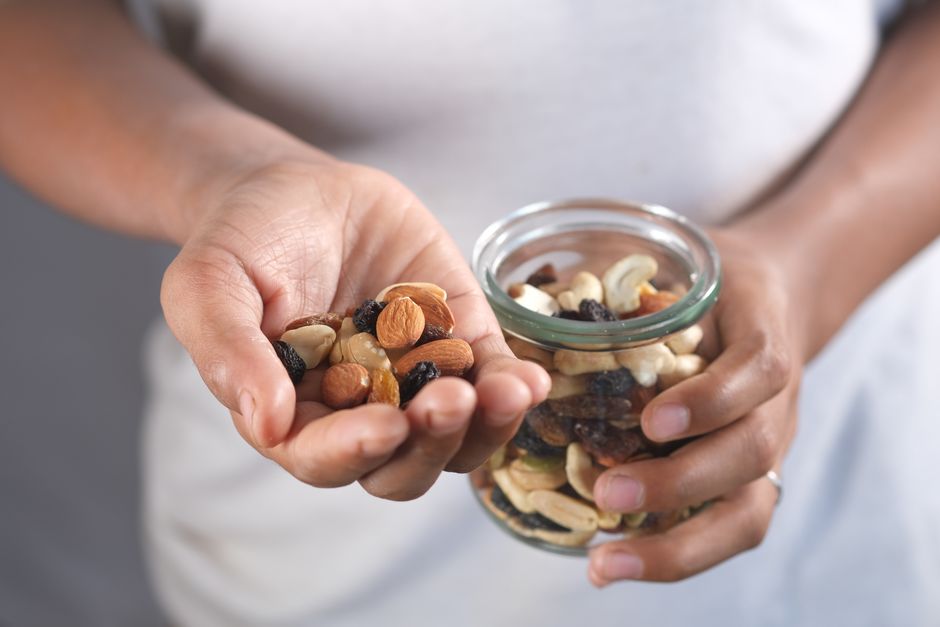
Yes, cashews contain protein. A one-ounce serving of cashews, which is about 18 nuts, provides roughly 5 grams of protein. While they are not a complete protein source on their own, they contribute meaningfully to your daily protein intake and pair well with other plant foods to build a full amino acid profile.
How Much Protein Is in Cashews?
A standard serving of cashews is one ounce, or about 28 grams. That serving delivers approximately 5 grams of protein. For comparison, that is similar to the protein found in a large egg, though the egg is considered a higher-quality protein.
Protein makes up about 18% of the total calories in cashews. The rest comes mostly from fat, with a smaller amount from carbohydrates. Most of the fat in cashews is monounsaturated, the same heart-healthy type found in olive oil.
If you eat a larger portion, the numbers scale up. A quarter-cup of cashews contains roughly 5 grams of protein. A full cup contains about 21 grams. Most people do not eat a full cup in one sitting, but the math helps show how the protein adds up across the day.
Are Cashews a “Complete” Protein?
No. Cashews do not contain all nine essential amino acids in the amounts your body needs. They are low in the amino acid lysine, which is one of the building blocks your body cannot make on its own.
This does not mean cashew protein is useless. Your body does not require every meal to contain a complete protein. As long as you eat a variety of foods throughout the day, your body combines amino acids from different sources to build the proteins it needs.
Pairing cashews with legumes, such as beans or lentils, is a practical way to cover the amino acid gap. Grains also work well. A handful of cashews added to a bean salad or a rice dish creates a more balanced protein profile than either food alone.
Cashews vs. Other Nuts: Protein Comparison
Cashews sit in the middle of the nut protein range. They are not the highest, but they are far from the lowest.
| Nut (1 ounce) | Protein (grams) |
|---|---|
| Peanuts | 7 |
| Almonds | 6 |
| Pistachios | 6 |
| Cashews | 5 |
| Walnuts | 4 |
| Pecans | 3 |
These figures come from USDA nutritional data. The differences between nuts are modest. What matters more is the overall pattern of your diet, not which single nut you choose.





Other Nutrients in Cashews Worth Knowing
Cashews offer more than protein. They are a solid source of several minerals that many Americans do not get enough of.
Copper is the standout. A one-ounce serving provides about 67% of the daily value for copper. Copper supports energy production, iron metabolism, and connective tissue formation. It is an essential mineral that plays a role in keeping your nervous system and immune system functioning.
Magnesium is another important mineral in cashews. One ounce delivers about 20% of the daily value. Magnesium is involved in over 300 biochemical reactions in the body, including muscle function, nerve signaling, and blood pressure regulation.
Cashews also contain zinc, phosphorus, and small amounts of iron. They are naturally free of cholesterol and contain no sodium if you buy the unsalted variety. The fiber content is modest at about 1 gram per ounce, lower than almonds or pistachios.
Do Cashew Butter and Cashew Milk Have the Same Protein?
No. The protein content depends on how the product is processed.
Cashew butter is made by grinding whole cashews into a paste. It retains the same protein as the nuts themselves. A two-tablespoon serving of cashew butter contains about 5 grams of protein, similar to a one-ounce serving of whole nuts.
Cashew milk is a different story. Commercial cashew milk is mostly water with a small amount of cashews blended in. A one-cup serving typically contains only 1 gram of protein, sometimes less. Some brands fortify their cashew milk with added protein, but the base product is not a meaningful protein source.
If your goal is protein, choose whole cashews or cashew butter. If you are using cashew milk for coffee or cereal, treat it as a low-protein beverage rather than a nutritional substitute for dairy milk, which contains about 8 grams of protein per cup.
How to Add Cashews to Your Diet
Cashews are versatile and easy to incorporate into meals. Their mild, slightly sweet flavor works in both savory and sweet dishes.
Here are some practical ways to use them:
- Add a handful to stir-fries for crunch and protein.
- Blend raw cashews into smoothies for creaminess.
- Use cashew butter on toast or apple slices.
- Sprinkle chopped cashews over salads or oatmeal.
- Make a cashew-based sauce for noodles or vegetables.
Portion control matters. Cashews are calorie-dense, with about 157 calories per ounce. It is easy to eat several servings without noticing. Measuring your portion, at least at first, helps you enjoy the nutritional benefits without overshooting your calorie needs.
Are Roasted or Raw Cashews Better?
Both forms contain the same amount of protein. The difference is in the added ingredients and the processing method.
Raw cashews are not truly raw in the commercial sense. The cashew kernel sits inside a toxic shell, so it must be steamed or heated to remove the shell safely. Once shelled, the nuts are labeled “raw” even though they have been heat-treated.
Dry-roasted cashews are cooked without oil and typically contain no added fat. Oil-roasted cashews absorb some of the cooking oil, which increases their calorie and fat content slightly. Honey-roasted or flavored varieties often contain added sugar, salt, or artificial flavorings.
For the cleanest option, choose unsalted dry-roasted or raw cashews. Check the ingredient list. It should contain one word: cashews.
Who Should Be Careful With Cashews?
People with tree nut allergies must avoid cashews entirely. Cashew allergy can cause severe reactions, including anaphylaxis, and is one of the more common tree nut allergies. If you have a known allergy, cashews are not safe to consume in any form.
People watching their sodium intake should choose unsalted cashews. Salted varieties can contain significant added sodium, which matters for those managing blood pressure.
People with kidney conditions should talk to their doctor about nut consumption. Cashews contain potassium and phosphorus, minerals that people with advanced kidney disease may need to limit. This is not a concern for most people, but it is worth noting for those with diagnosed kidney issues.
Frequently Asked Questions
How many grams of protein are in a serving of cashews?
One ounce of cashews, about 18 nuts, contains roughly 5 grams of protein. A quarter-cup serving provides the same amount.
Are cashews a good source of protein?
Cashews are a moderate source of protein, not a high one. They contribute about 5 grams per ounce, which is helpful but less than what you would get from meat, eggs, or legumes.
Can you build muscle eating cashews?
Cashews alone are not enough for muscle building due to their incomplete amino acid profile. Combining them with other protein sources throughout the day supports muscle growth, but they should not be your primary protein source.
Do roasted cashews have less protein than raw cashews?
No. Roasting does not change the protein content. The protein stays the same, though oil-roasted varieties may have more calories from added fat.
