
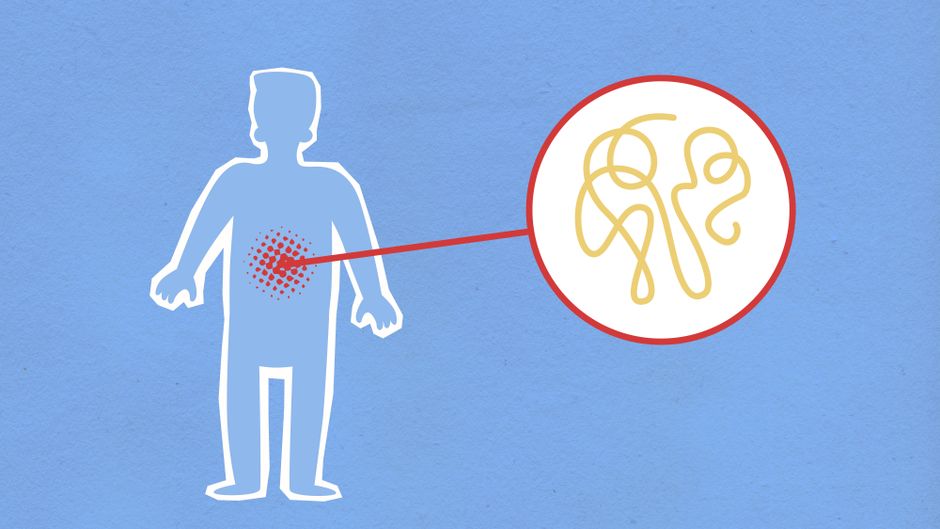
Leaky gut is a condition where the lining of your intestines becomes more porous, allowing tiny particles like undigested food, bacteria, and toxins to pass into your bloodstream. This triggers the immune system, leading to widespread inflammation throughout the body. While the medical community debates its exact role in disease, the core idea is a damaged gut barrier that lets things through that should stay out.
What Is Leaky Gut In Humans? Symptoms And Causes Explained Simply
The gut lining is a single layer of cells held together by tight junctions. Think of these junctions as gates that open and close to let nutrients pass through while keeping harmful substances out. In leaky gut, these gates stay open too wide or too long.
When unwanted particles slip through, your immune system sees them as invaders. This triggers inflammation. Over time, this can contribute to a range of health issues. The condition is formally called increased intestinal permeability. “Leaky gut” is the easier name most people use.
Research published in the journal Gut has shown that this increased permeability is present in people with inflammatory bowel disease and celiac disease. Whether it causes other conditions or just happens alongside them is still being studied.
What Are the Most Common Symptoms of Leaky Gut?
Symptoms vary widely from person to person. This makes leaky gut hard to diagnose based on symptoms alone. The most commonly reported issues fall into a few categories.
Digestive symptoms include bloating, gas, cramping, and food sensitivities. Many people notice they react to foods they used to eat without problems. Diarrhea or constipation are also common.
Systemic symptoms reach beyond the gut. These include fatigue, brain fog, headaches, and joint pain. Some people report skin issues like acne, eczema, or rashes that flare up after eating trigger foods.
Immune-related symptoms involve frequent colds or infections. The immune system is constantly activated, which can wear it down over time. Some studies suggest a link between leaky gut and autoimmune conditions, though this is not fully proven.
It is important to note that none of these symptoms are unique to leaky gut. They overlap with many other conditions. A doctor should rule out other causes before assuming leaky gut is the problem.
What Causes the Gut Lining to Become Leaky?
Several factors can damage the tight junctions in your gut lining. Some are within your control. Others are not.
Diet is a major driver. A diet high in processed foods, sugar, and unhealthy fats can disrupt the gut barrier. Alcohol is another well-known culprit. Even moderate drinking can increase intestinal permeability temporarily.
Chronic stress plays a real role. Stress hormones like cortisol can directly weaken tight junctions. A study from Brain, Behavior, and Immunity found that psychological stress increased gut permeability in healthy volunteers within hours.
Medications like nonsteroidal anti-inflammatory drugs (NSAIDs) such as ibuprofen and aspirin are known to damage the gut lining with regular use. Antibiotics can also disrupt the gut microbiome, which helps maintain the barrier.
Infections and gut imbalances contribute too. Bacterial overgrowth in the small intestine (SIBO), yeast overgrowth, and chronic infections can all increase permeability. So can food intolerances that go unchecked.
| Cause | How It Damages the Gut | Can You Control It? |
|---|---|---|
| Poor diet (processed foods, sugar) | Feeds harmful bacteria, inflames lining | Yes |
| Chronic stress | Raises cortisol, weakens tight junctions | Partially |
| NSAIDs (ibuprofen, aspirin) | Irritates gut lining directly | Yes |
| Alcohol | Disrupts barrier function | Yes |
| Antibiotics | Kills good bacteria, allows imbalance | Partially |
| Infections and SIBO | Direct damage and inflammation | With treatment |




Does Research Actually Support Leaky Gut as a Real Condition?
This is where things get complicated. The existence of increased intestinal permeability is not debated. It is a measurable biological fact. Doctors can test for it using a lactulose-mannitol test, where you drink two sugars and measure how much passes through your gut into your urine.
What is debated is whether leaky gut causes disease in otherwise healthy people. The strongest evidence links leaky gut to specific conditions like celiac disease, Crohn’s disease, and type 1 diabetes. In these cases, the leaky gut appears to be part of the disease process.
For other conditions like chronic fatigue, fibromyalgia, and most autoimmune diseases, the evidence is weaker. Some studies suggest an association, but they cannot prove cause and effect. It is possible that inflammation from the disease causes the leaky gut, not the other way around.
The National Institutes of Health has stated that while increased intestinal permeability exists, the concept of leaky gut as a widespread cause of chronic disease is not well-supported by current evidence. This does not mean it is not real. It means we need more research to understand it fully.
What Foods and Lifestyle Changes Help Heal Leaky Gut?
No single food or supplement will fix a leaky gut overnight. But the evidence points to several strategies that support gut barrier health.
Remove the triggers first. Eliminating processed foods, sugar, alcohol, and foods you are sensitive to is the most effective starting point. A temporary elimination diet can help identify personal triggers. Common ones include gluten, dairy, soy, and eggs.
Add gut-supporting foods. Bone broth, fermented foods like sauerkraut and kimchi, and fiber-rich vegetables feed good bacteria and provide nutrients for gut repair. Collagen and gelatin from bone broth contain amino acids that support the gut lining.
Consider supplements with caution. L-glutamine, an amino acid, has shown promise in animal studies for repairing gut lining. Some human studies suggest it helps, but the evidence is not strong. Zinc carnosine and curcumin also have some support in research for reducing gut inflammation.
Manage stress actively. This is not vague advice. Practices like deep breathing, meditation, and adequate sleep have measurable effects on reducing cortisol and improving gut barrier function. A study in Gut showed that mindfulness-based stress reduction improved gut symptoms in people with irritable bowel syndrome.
- Eat whole, unprocessed foods as much as possible
- Remove alcohol and NSAIDs for at least a month
- Get 7-9 hours of sleep each night
- Exercise moderately but not excessively
- Consider a probiotic with diverse strains
What Should You Avoid When Trying to Fix Leaky Gut?
The internet is full of leaky gut advice that goes too far. Some of it can be harmful or wasteful. Here is what to watch out for.
Avoid extreme elimination diets. Cutting out dozens of foods at once can lead to nutrient deficiencies and disordered eating. Work with a dietitian if you need to identify triggers. Guessing is not reliable.
Do not buy expensive “gut healing” supplements. Many products make claims without evidence. Collagen powders, gut healing blends, and expensive probiotics are often overpriced and unproven. Generic L-glutamine and zinc are cheap and have better research behind them.
Be skeptical of gut testing kits. At-home tests for leaky gut, SIBO, and microbiome analysis are not regulated. Their accuracy varies widely. A doctor-ordered lactulose-mannitol test is the only reliable test for intestinal permeability.
Avoid the “cleanse” or “detox” approach. Your body already has a detox system — your liver and kidneys. No juice cleanse or colon cleanse has ever been shown to heal a leaky gut. These products can actually disrupt your gut microbiome further.
Some people report improvement with these approaches, but that is likely due to removing processed foods and alcohol, not the cleanse itself. The same results come from a simple whole-foods diet without the cost and risk.
Frequently Asked Questions
Can a doctor test me for leaky gut?
Yes, a doctor can order a lactulose-mannitol test to measure intestinal permeability, but it is not routinely used in clinical practice and many insurance plans do not cover it.
Is leaky gut the same as IBS?
No, they are different conditions, though some people with IBS have increased intestinal permeability and the symptoms can overlap significantly.
How long does it take to heal a leaky gut?
Most people see improvement within 4 to 12 weeks of removing triggers and adding gut-supporting foods, though individual results vary based on the cause and severity.
Does gluten cause leaky gut in everyone?
No, gluten only triggers increased permeability in people with celiac disease or non-celiac gluten sensitivity, not in the general population.
