
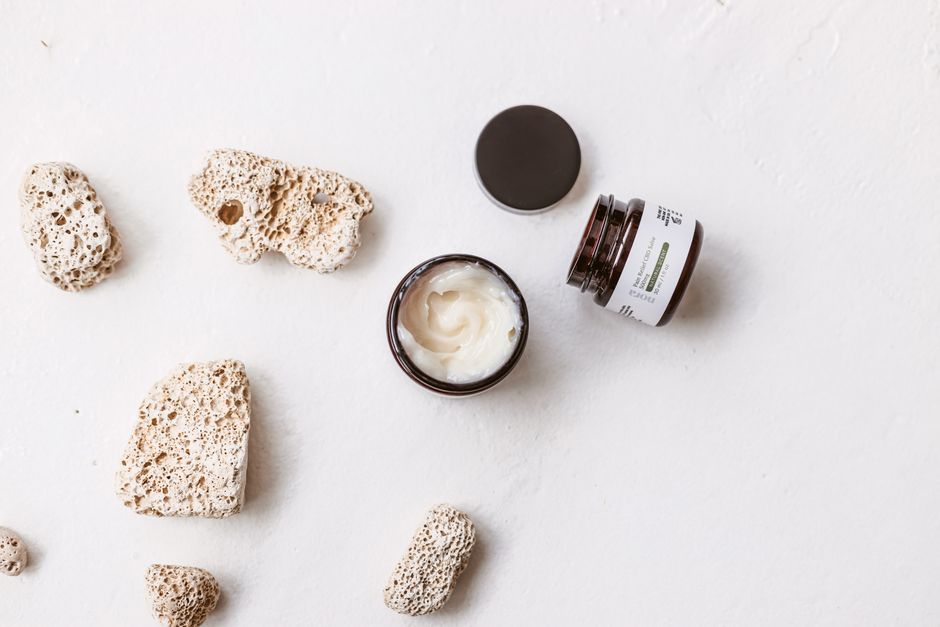
Lanolin nipple cream is a topical ointment made from a waxy substance that sheep produce to protect their wool. It is widely used by people who are breastfeeding to soothe sore, cracked, or dry nipples. For most people, it is safe to use, but it is not right for everyone, and understanding what it is made of matters before you apply it.
What Is Lanolin Nipple Cream And Is It Safe?
Lanolin is a natural grease found in sheep’s wool. It is extracted, purified, and turned into the thick creams sold in pharmacies and baby stores. The cream works by forming a protective barrier on the skin. This barrier locks in moisture and gives the skin time to heal without constant friction from clothing or baby’s mouth.
Safety depends heavily on how the lanolin is processed. The type sold for nipple care is highly purified to remove pesticides, chemicals, and impurities that are naturally present in raw wool. This purified form is generally recognized as safe for topical use. However, it is not safe for everyone. People with a wool allergy or a sensitivity to lanolin should not use it. If you have ever had a skin reaction to wool clothing or lanolin-based cosmetics, you should avoid this product.
Clinical guidelines from major health organizations have long accepted purified lanolin as a standard option for nipple care during breastfeeding. It does not need to be washed off before nursing, which is a major convenience. The cream is not absorbed in significant amounts, and it is considered safe for the infant to come into contact with during feeding.
How Does Lanolin Actually Help Sore Nipples?
Sore nipples are common in the first weeks of breastfeeding. The pain usually comes from friction, dry skin, or an improper latch. Lanolin does not treat the underlying cause of the pain. It treats the symptom by creating a moist healing environment.
Skin heals best when it is not too dry and not too wet. Lanolin sits on top of the skin and reduces water loss. This helps the skin barrier repair itself faster than it would if left exposed to air and rubbing fabric. Studies have shown that lanolin is comparable to other nipple care methods, like applying expressed breast milk, for relieving pain. Some research suggests it may be slightly more effective at preventing severe cracking.
It is important to be realistic about what this cream can do. If your nipple pain is caused by a poor latch, the cream will not fix the latch. You will still need to address positioning and how the baby attaches to the breast. The cream only manages the skin damage while you work on the root cause.
Is There A Difference Between Nipple Cream And Regular Lanolin?
Yes. The difference is significant and matters for safety.
Regular lanolin, sold in craft stores or cosmetic sections, is not the same as medical-grade nipple cream. Nipple creams are processed to remove pesticide residues and other contaminants. The purification process is rigorous because the product is intended for use on a sensitive area that a baby will touch. Cosmetic or industrial lanolin may contain trace amounts of chemicals that are not safe for ingestion or for broken skin.
When you buy nipple cream, check the label for the word “ultra-purified” or “medical grade.” These terms indicate the product has undergone additional processing. Products that simply say “100% lanolin” may not have the same level of purification.
Another difference is the texture. Nipple creams are usually thicker and more occlusive. This is intentional. The thick barrier is what keeps moisture in and friction out. Regular lotions or body butters with lanolin are thinner and designed to absorb quickly, which is not what you want for nipple healing.





How To Apply Lanolin Nipple Cream Correctly
Application technique matters more than most people realize. Using too much cream is wasteful. Using too little leaves the skin unprotected.
The recommended amount is about the size of a pea or a grain of rice for each nipple. Rub it gently between your fingers first to warm it. Then apply it to the nipple and areola after feeding. The cream should be spread thinly enough that it does not look white and thick on the skin. It should look like a light sheen.
Do not wash the cream off before the next feeding. One of the main benefits of purified lanolin is that it does not need to be removed. Washing it off with soap removes the protective barrier and often dries the skin further. If you feel you must clean the area, use plain water and pat dry gently.
How often you apply it depends on how sore you are. Some people apply it after every feeding for the first week. Others only need it once or twice a day. There is no harm in applying it frequently, as long as you are using a thin layer each time.
When Should You Stop Using It?
Most people only need lanolin for the first few weeks of breastfeeding. As the skin toughens and the latch improves, the soreness fades. Once your nipples feel normal and you have no visible cracks or peeling, you can stop using the cream.
There is no harm in continuing to use it if you find it comforting. Some people use it throughout their breastfeeding journey as a preventive measure during growth spurts or teething, when babies may nurse more aggressively.
However, if you have been using lanolin for more than a week and your nipples are still cracked, bleeding, or intensely painful, you need to see a healthcare provider. Persistent pain is not normal. It often signals a deeper latch problem, a tongue-tie, or an infection. Continuing to apply cream to a wound that is not healing will not solve the problem.
What Are The Risks And Side Effects?
Side effects from purified lanolin are rare but possible. The most common issue is contact dermatitis, which is an allergic reaction to the lanolin itself. Symptoms include redness, itching, burning, or a rash that gets worse after application. If you notice any of these, stop using the cream immediately.
Another risk is that lanolin can trap bacteria if the skin is already infected. If you have a bacterial or fungal infection on the nipple, applying an occlusive ointment can make it worse. Signs of infection include yellow crusting, pus, spreading redness, or a white coating that does not wipe away. Do not treat an infected nipple with lanolin. See a doctor.
There is no evidence that lanolin is harmful to a nursing infant. The amount that transfers to the baby’s mouth during feeding is minimal. However, some babies may dislike the taste or texture. If your baby starts pulling away from the breast or fussing after you apply the cream, consider wiping it off before feeding or switching to a plant-based alternative.
Are There Alternatives To Lanolin?
Yes, and some people prefer them for personal or dietary reasons. Lanolin is an animal product, so vegans may want a plant-based option.
Common alternatives include creams made from shea butter, coconut oil, or olive oil. These also create a barrier and provide moisture. The evidence for their effectiveness is not as strong as the evidence for lanolin, but many people report good results. Some clinicians recommend them for people who cannot tolerate lanolin.
Another alternative is simply expressed breast milk. Applying a few drops of your own milk to the nipple and letting it air dry is a traditional home remedy. Research on this is mixed. Some studies show it is as effective as lanolin. Others show it is slightly less effective for preventing cracking. It costs nothing and is always available, so it is worth trying if you prefer a natural approach.
Hydrogel pads are another option. These are cooling gel discs that you place over the nipple between feedings. They provide immediate relief from heat and throbbing pain. They do not heal the skin as effectively as lanolin, but they are excellent for short-term comfort, especially in the first few days.
What About Nipple Creams With Other Ingredients?
Many nipple creams on the market now contain lanolin plus other ingredients like shea butter, calendula, or vitamin E. These added ingredients are marketed as soothing or healing.
There is no strong evidence that these added ingredients improve healing. In fact, they can increase the risk of irritation. Calendula and other botanical extracts are potential allergens. Vitamin E is a known contact allergen for some people. If you have sensitive skin, a pure lanolin product with no added ingredients is the safer choice.
Some nipple creams contain preservatives or fragrances. Avoid these. The area around the nipple is highly vascular and sensitive. Fragrances and preservatives serve no medical purpose and only add risk. The best product is the one with the shortest ingredient list.
Does Lanolin Expire?
Yes. Lanolin creams have a shelf life, usually printed on the tube or box. Most are good for two to three years from the manufacturing date. After opening, the cream should be used within a year.
Expired lanolin is not necessarily dangerous, but it loses its effectiveness. The texture can change, and the protective barrier may not form as well. If the cream smells rancid or has separated into liquid and solid parts, throw it away.
Do not share your nipple cream with anyone else. The tube tip can pick up bacteria from your skin. Sharing introduces someone else’s bacteria to your nipple area, which is unnecessary risk.
Frequently Asked Questions
Can I leave lanolin nipple cream on while breastfeeding?
Yes, purified lanolin does not need to be washed off before nursing. It is considered safe for the baby to come into contact with during feeding.
How long does it take for lanolin to heal cracked nipples?
Most people notice improvement within 24 to 48 hours of consistent use. If cracks do not improve within a week, seek medical advice because the underlying cause may not be simple friction.
Can lanolin nipple cream cause an allergic reaction?
Yes, people with a wool allergy or lanolin sensitivity can develop contact dermatitis. Stop using the product immediately if you notice redness, itching, or a worsening rash.
Is lanolin safe for newborns to ingest?
Yes, the trace amounts that transfer during feeding are not considered harmful. Purified lanolin is recognized as safe for topical use in breastfeeding contexts.
