
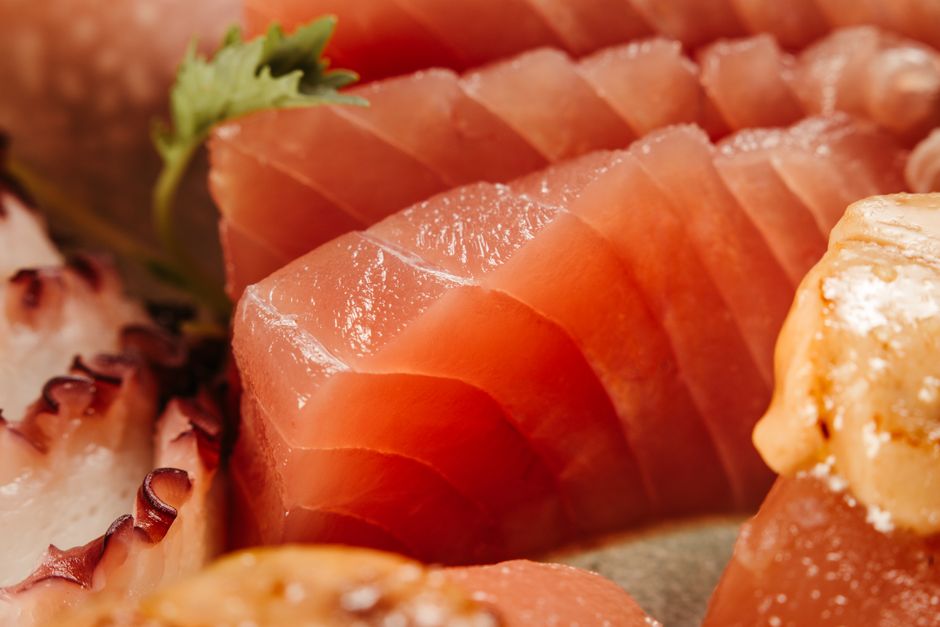
When you buy salmon at the grocery store, the color is often the first thing you notice. That pink or orange flesh looks fresh and appetizing. But sometimes that color comes from a dye or pigment added during farming. The short answer is that farmed salmon are given color through their feed because their natural diet does not produce the same pink flesh as wild salmon. This practice is safe and regulated by food safety authorities, but it raises questions about nutrition and labeling that are worth understanding.
Why Do They Add Color To Salmon And Is It Safe?
Farmed salmon get their color from pigments added to their feed. Wild salmon eat krill, shrimp, and other crustaceans that contain natural compounds called carotenoids. These compounds give the flesh its pink color. Farmed salmon do not eat these foods, so without added pigments, their flesh would be gray.
The added color is not a dye painted on the fish. It is mixed into the pellet feed the salmon eat. The pigment is absorbed through the digestive system and deposited in the muscle tissue, just like it happens in wild salmon.
Regulatory agencies in the United States, Europe, and other regions have reviewed these pigments and approved them for use in fish feed. The two main pigments used are astaxanthin and canthaxanthin. Both are synthetic versions of compounds that occur naturally in the wild salmon diet.
What Exactly Is Astaxanthin?
Astaxanthin is a carotenoid pigment. It is the same compound that gives flamingos their pink color and shrimp their pink hue when cooked. In the wild, salmon get astaxanthin by eating tiny crustaceans that have consumed algae rich in this pigment.
Astaxanthin is also an antioxidant. Some research suggests it may have anti-inflammatory properties in humans. However, the amount you get from eating salmon is far below the doses used in supplement studies. The primary reason astaxanthin is added to farmed salmon feed is color, not nutrition.
Synthetic astaxanthin is chemically identical to the natural form found in wild salmon. Studies have not found meaningful differences in how the body uses the synthetic versus natural version.
Is Canthaxanthin Different From Astaxanthin?
Canthaxanthin is another carotenoid pigment. It is used less frequently than astaxanthin and is often combined with it to achieve a specific color shade. Canthaxanthin is also found in some natural foods like mushrooms and certain types of algae.
There is a difference in how regulators treat these two pigments. Astaxanthin is widely considered safe at the levels used in fish feed. Canthaxanthin has a stricter limit because very high doses in humans have been linked to a rare eye condition. The levels allowed in fish feed are far below what would cause this concern, and regulatory bodies have set maximum allowable amounts.
The European Union has approved both pigments for use in salmon feed. The United States Food and Drug Administration has also approved them as color additives in animal feed.




Does Added Color Change The Nutrition Of Salmon?
The added pigments do not change the protein content, omega-3 fatty acid levels, or vitamin content of the fish. These nutrients come from the feed itself, not the color additives.
Farmed salmon and wild salmon do differ nutritionally, but not because of added color. Farmed salmon generally have more total fat and calories. Wild salmon typically have fewer calories and slightly more protein per serving. Both are excellent sources of omega-3 fatty acids, though the amounts vary based on the specific feed and farming practices.
Astaxanthin itself does add some antioxidant value to the fish. Wild salmon naturally contain astaxanthin from their diet. Farmed salmon contain astaxanthin because it is added to their feed. Both end up with similar astaxanthin levels in their flesh.
How Can You Tell If Salmon Is Naturally Pink Or Color-Added?
Packaging labels provide the answer. In the United States, the FDA requires that color additives be listed on the label. If you see “color added” or “artificially colored” on the package, the farmed salmon was given pigments in its feed.
Wild salmon do not need color added and are typically labeled as “wild caught.” This distinction is important for consumers who prefer wild fish. Farmed salmon labels may say “color added” even though the pigment is in the feed rather than applied to the surface.
Fresh salmon sold at a fish counter may not have a label visible. In that case, asking the fishmonger is the most direct way to get an answer. Most reputable sellers know whether their salmon is farmed or wild and can tell you about color additives.
Is Farmed Salmon With Added Color Less Healthy?
No evidence suggests that salmon with added color is less healthy than farmed salmon without it. The color additives are regulated and approved for this specific use. The nutritional profile of the fish depends on the feed composition, farming conditions, and processing methods, not the pigment.
What matters more for health is the overall quality of the fish. Farmed salmon raised in well-managed operations with good feed can be a healthy choice. Concerns about farmed salmon typically center on environmental issues like antibiotic use and waste management, as well as the balance of omega-6 to omega-3 fatty acids depending on the feed ingredients.
Some consumers prefer wild salmon for environmental or taste reasons. Wild salmon have a firmer texture and a more pronounced flavor for many people. Farmed salmon tend to be milder and more buttery due to higher fat content.
What About The Gray Color Of Unpigmented Salmon?
If you have ever seen salmon flesh before color is added, it looks gray or beige. This surprises many people because they assume salmon is naturally pink. The gray color is not a sign of poor quality or spoilage. It simply means the fish has not consumed carotenoid pigments.
White-fleshed salmon exist in the wild. Some chinook salmon carry a genetic trait that prevents them from depositing carotenoids in their muscle tissue. These fish are perfectly safe to eat and are sometimes marketed as “ivory salmon.” They are rare and considered a delicacy in some regions.
The gray appearance of unpigmented farmed salmon flesh is one reason the industry adds color. Consumers expect salmon to be pink, and the market responds to that expectation. Without added color, most people would find the fish unappealing, even though it would be nutritionally similar.
Are There Any Health Risks From Color Additives In Salmon?
Regulatory agencies have evaluated the safety of astaxanthin and canthaxanthin at the levels used in fish feed. The amounts consumed by eating salmon are well below the levels that have raised any safety concerns in humans.
Some studies have looked at high doses of canthaxanthin supplements in humans and found a link to crystal deposits in the retina. These studies used supplement doses far higher than what anyone would consume by eating salmon. The regulatory limits on canthaxanthin in fish feed are designed to keep human exposure well below any level of concern.
People who eat salmon regularly should not worry about the color additives. The larger health considerations around salmon consumption relate to mercury levels, sustainable sourcing, and overall diet quality, not the pigments used in feed.
Do Other Fish Get Color Added To Their Feed?
Yes, but salmon are the most common example. Trout, which are closely related to salmon, are also often farmed with color-added feed. Some farmed shrimp receive feed with added pigments to enhance their color as well.
Other fish like tilapia and catfish do not typically receive color additives because consumers do not expect them to have pink flesh. The color expectation drives the practice. If consumers expected white tilapia, there would be no reason to add color.
This practice is not unique to fish. Egg yolks can be affected by the pigments in chicken feed. Farmers sometimes add marigold extract to chicken feed to produce deeper yellow yolks. The same principle applies: the pigment is in the feed, and the animal’s body deposits it in the final product.
Frequently Asked Questions
Is color added to all farmed salmon?
Most farmed salmon receive color additives in their feed, but not all. The practice is nearly universal because consumers expect pink salmon flesh, but specific farms and brands may use different approaches.
Does wild salmon have added color?
No. Wild salmon get their pink color naturally from eating krill, shrimp, and other crustaceans that contain carotenoid pigments.
Is salmon with color added safe for pregnant women?
Yes. The color additives used in salmon feed are approved by food safety regulators, and the levels consumed are not considered a risk during pregnancy.
Why does salmon look gray before color is added?
Salmon flesh is naturally gray because the fish does not produce pink pigments on its own. The color only appears when the fish consumes carotenoids from its diet.
