
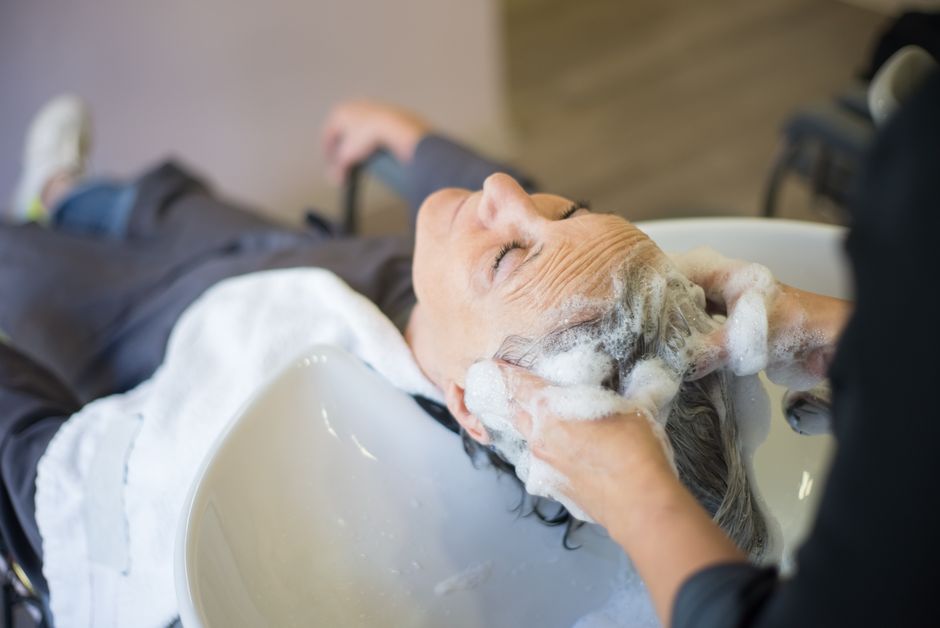
Ketoconazole shampoo is a medicated antifungal treatment used mainly for scalp conditions caused by yeast overgrowth. It is prescribed or sold over the counter to treat dandruff, seborrheic dermatitis, and a scalp infection called tinea versicolor. The active ingredient, ketoconazole, works by killing the fungus that triggers these conditions rather than just washing away flakes.
What Is Ketoconazole Shampoo Used For?
Ketoconazole shampoo treats conditions driven by an overgrowth of Malassezia, a yeast that naturally lives on human skin. When this yeast multiplies out of balance, it causes inflammation and flaking. The shampoo targets the yeast directly.
The three main uses are:
- Dandruff — mild flaking and itching of the scalp
- Seborrheic dermatitis — a more inflamed form with redness, greasy scales, and itching, often affecting the scalp, eyebrows, and sides of the nose
- Tinea versicolor — a skin condition causing patches of lighter or darker skin, usually on the chest, back, or shoulders
Ketoconazole belongs to a class of drugs called azole antifungals. It blocks an enzyme the fungus needs to build its cell membrane. Without a working membrane, the fungus cannot survive. This is a well-established mechanism, not a theory.
The shampoo is available in two strengths in the United States. A 1% version is sold over the counter. A 2% version requires a prescription. Both contain the same drug — the difference is concentration.
How Does Ketoconazole Shampoo Work on the Scalp?
The scalp has more oil glands than almost anywhere else on the body. Malassezia yeast feeds on those oils, particularly sebum. This is why the yeast thrives on the scalp and why dandruff and seborrheic dermatitis cluster there.
When ketoconazole shampoo is applied, it delivers the drug directly to the skin surface where the yeast lives. It does not need to enter the bloodstream to work. The drug stays in the outer layer of skin and disrupts fungal growth at the site.
This local action explains why the shampoo can be effective without the systemic side effects of oral antifungal drugs. It also explains why results are not instant. The yeast population has to be reduced enough for inflammation and flaking to settle down. That process takes time and consistent use.
One point that often gets lost: dandruff and seborrheic dermatitis are not caused by poor hygiene. Washing more does not fix them. The problem is the yeast and the skin’s reaction to it, not dirt.
How Is Ketoconazole Shampoo Different From Regular Dandruff Shampoo?
Regular dandruff shampoos use ingredients like zinc pyrithione, salicylic acid, or selenium sulfide. These work in different ways — some slow fungal growth, some loosen flakes, some reduce turnover of skin cells. They can help mild dandruff.
Ketoconazole is different because it is a targeted antifungal drug. It attacks the yeast more directly and is generally considered more effective for seborrheic dermatitis and moderate to severe dandruff. This is why it is often the first choice when over-the-counter cosmetic shampoos have not worked.
That said, not everyone responds the same way. Some people do well with zinc pyrithione or selenium sulfide and never need ketoconazole. Others need the stronger antifungal action. Response varies by person and by condition.
A common mistake is switching products too quickly. Antifungal shampoos need consistent use over weeks, not days, before you can judge whether they are working.




Does Ketoconazole Shampoo Cure Seborrheic Dermatitis?
No. Seborrheic dermatitis is a chronic, recurring condition. Ketoconazole shampoo can control it and clear flares, but it does not eliminate the underlying yeast or the skin’s tendency to react to it.
This is an important distinction. Many people expect a permanent fix and are frustrated when symptoms return after they stop using the shampoo. The realistic goal is management, not cure.
Seborrheic dermatitis tends to flare and settle in cycles. Stress, cold weather, and hormonal shifts can make it worse. During flares, more frequent use may be needed. Between flares, less frequent use can keep it under control. This pattern of use is common clinical practice, though the exact schedule varies by person and should come from a clinician.
The evidence that ketoconazole reduces Malassezia and improves seborrheic dermatitis symptoms is solid. The evidence that any treatment permanently cures it is not — because no such treatment currently exists.
Can Ketoconazole Shampoo Be Used for Other Conditions?
Ketoconazole shampoo is sometimes used for conditions beyond its main three. This is where honesty matters, because not all uses are equally supported.
It is sometimes used for fungal infections of the skin beyond the scalp, such as tinea versicolor on the body. Because the shampoo can be applied to skin, some clinicians recommend it for these areas. This is a reasonable use given the drug’s antifungal action.
It is also sometimes used for hair loss related to seborrheic dermatitis. The reasoning is that reducing scalp inflammation may improve the scalp environment for hair growth. Some studies suggest a possible benefit, but the evidence is not strong enough to call ketoconazole a hair loss treatment. It should not be confused with drugs specifically approved for androgenetic alopecia.
The shampoo is not a treatment for bacterial scalp infections, psoriasis, or lice. These have different causes and need different treatments. Using an antifungal shampoo for a condition it does not target will not help.
What Are the Risks and Side Effects?
Ketoconazole shampoo is generally well tolerated when used on the skin. The most common side effects are local and mild:
- Scalp irritation or itching
- Dryness or a change in hair texture
- Rarely, a burning sensation or redness
Serious reactions are uncommon with topical use. This is largely because very little of the drug is absorbed into the bloodstream through the skin compared with the oral form.
That distinction matters. Oral ketoconazole carries a risk of liver injury and is used cautiously for that reason. The shampoo does not carry the same liver risk, because the drug is not swallowed and systemic absorption is low. This is a genuine and important difference — but it does not mean the shampoo is risk-free for everyone.
People who are allergic to ketoconazole or other azole antifungals should not use it. If you develop swelling, severe irritation, or a rash that spreads, stop using it and seek medical advice.
For pregnant or breastfeeding women, and for children, the situation is less clear. Topical ketoconazole is often used in these groups, but there are no large trials establishing firm safety and dosing guidance specifically for them. If you are pregnant, breastfeeding, or considering this for a child, talk to a clinician rather than assuming it is fine or assuming it is unsafe.
How Should Ketoconazole Shampoo Be Used?
How you use it affects whether it works. The drug needs contact time with the skin — it is not enough to lather and rinse immediately.
General guidance for the 2% prescription version is to apply it to the affected area, lather, and leave it on for several minutes before rinsing. The exact contact time and how often to use it depend on the condition and the product. Follow the label for the 1% version and your clinician’s instructions for the 2% version.
A few practical points that are well established:
- Use it consistently. Skipping doses during a flare slows improvement.
- Give it time. Improvement usually takes weeks, not days.
- Do not stop abruptly once symptoms clear if you have a recurring condition — a maintenance schedule often keeps flares away.
- If it is not working after a reasonable trial, see a clinician. The diagnosis may be wrong, or a different treatment may be needed.
Do not use more than directed. Using extra does not make it work faster and may increase irritation.
When Should You See a Doctor?
See a clinician if your scalp condition is severe, spreading, or not improving with over-the-counter treatment. Also see one if you have signs of infection such as pus, open sores, or significant pain.
A correct diagnosis matters. Several conditions can cause a flaky, itchy scalp, including psoriasis and eczema, and these do not respond to antifungal shampoo. If ketoconazole is not helping, the problem may not be a yeast issue at all.
If you have used the shampoo for a reasonable period without benefit, that is useful information for a clinician. It helps narrow down what is actually going on.
Frequently Asked Questions
What is ketoconazole shampoo mainly used for?
It is mainly used to treat dandruff, seborrheic dermatitis, and tinea versicolor — conditions linked to an overgrowth of Malassezia yeast. It works as an antifungal, not just a cosmetic flake remover.
Is ketoconazole shampoo the same as regular dandruff shampoo?
No. Regular dandruff shampoos use ingredients like zinc pyrithione or salicylic acid, while ketoconazole is a targeted antifungal drug. It is generally considered more effective for seborrheic dermatitis and moderate to severe dandruff.
Can ketoconazole shampoo cure dandruff permanently?
No. It controls symptoms and reduces the yeast that drives them, but dandruff and seborrheic dermatitis tend to recur. The realistic goal is ongoing management rather than a permanent cure.
Does ketoconazole shampoo cause liver problems like the pill form?
Topical use carries a much lower risk because very little of the drug is absorbed into the bloodstream. The liver risk is associated with the oral form, not the shampoo.
