
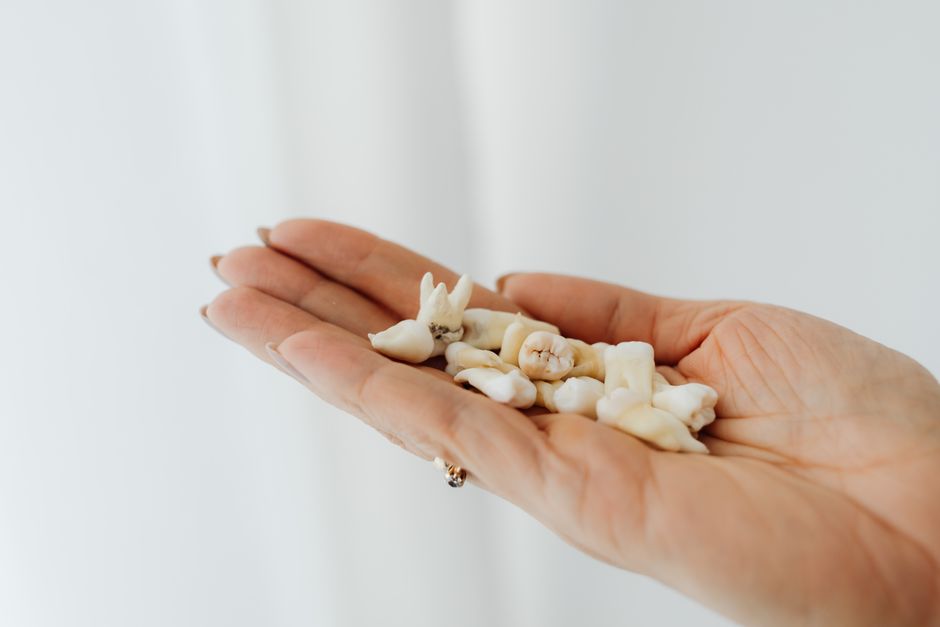
Wisdom teeth, also called third molars, were once essential for our ancestors to chew tough, raw foods. Today, they are mostly unnecessary and often cause dental problems. Their original purpose has faded as human diets and jaws have changed.
What Are Wisdom Teeth?
Wisdom teeth are the last set of molars at the back of your mouth. Most people have four — two on top and two on bottom. They usually appear between ages 17 and 25, which is why they are called “wisdom” teeth — they come in when you are older and presumably wiser.
Not everyone develops all four. Some people have fewer, and about 35% of people are born without any wisdom teeth at all. Genetics play a big role in whether you have them and how they grow in.
What Were Wisdom Teeth Used For?
Our early human ancestors had larger jaws and a diet made up of rough, fibrous plants, raw meat, and nuts. Those tough foods required a lot of chewing. Wisdom teeth helped grind food down before swallowing, making digestion easier.
Ancestors also lost teeth more often due to wear, injury, or infection. Wisdom teeth served as a backup — they could replace worn or lost molars and keep the chewing surface working. As diets softened with cooking and farming, jaws got smaller over thousands of years. But wisdom teeth kept developing even though there was often no room for them.
Today, wisdom teeth are considered vestigial — a body part that lost its original function through evolution. The appendix is another example. Wisdom teeth no longer serve a clear purpose in modern humans.
Why Do Wisdom Teeth Cause Problems?
Because modern jaws are smaller, wisdom teeth often do not have enough space to come in properly. They may grow in at an angle, press against other teeth, or stay trapped under the gum. This is called impaction.
Impacted wisdom teeth can cause several issues:
- Pain and swelling around the gum line
- Crowding of other teeth, especially after orthodontic work
- Infection when food and bacteria get trapped under gum tissue (pericoronitis)
- Cysts or tumors that can damage the jawbone and nearby teeth
- Tooth decay on wisdom teeth or the molars next to them because cleaning is so difficult
Not everyone with wisdom teeth develops these problems. Some people have enough space and their wisdom teeth come in straight and healthy. But this is less common.





Do I Need to Have My Wisdom Teeth Removed?
This is one of the most common questions in dentistry — and the answer has changed in recent years. For a long time, dentists removed wisdom teeth preventively in teenagers and young adults, even if they were not causing trouble. The idea was to avoid future problems.
Today, the evidence does not support removing healthy, fully erupted wisdom teeth that cause no symptoms. Organizations like the American Association of Oral and Maxillofacial Surgeons and the National Institute for Health and Care Excellence (NICE) recommend removal only when there is clear evidence of disease or damage. For healthy, painless wisdom teeth, watchful waiting is a reasonable option.
Removal is usually recommended when:
- The tooth is impacted and causing pain, infection, or damage to adjacent teeth
- There is a cyst or tumor around the tooth
- The tooth is severely decayed and cannot be repaired
- There is repeated gum infection (pericoronitis)
The decision should be made with your dentist after a full exam and X-rays. Age also matters — removal is often easier and heals faster in younger adults (late teens to early twenties) compared to older adults.
What If Wisdom Teeth Are Left Untreated?
If your wisdom teeth are healthy, straight, and cleanable, leaving them alone is fine. You just need to keep up with good brushing, flossing, and regular dental visits to watch for any changes.
If they are impacted but not causing symptoms, some people go years without problems. But risks remain: silent damage to nearby teeth, gradual bone loss, or development of a cyst. A 2019 review in the Journal of Oral and Maxillofacial Surgery found that up to 12% of asymptomatic impacted wisdom teeth eventually cause problems within 2 to 4 years. That is a real risk, but it does not mean everyone needs surgery.
For wisdom teeth that are causing symptoms — pain, swelling, infection — leaving them untreated can lead to more serious infections that spread to the jaw or neck. This is rare but possible. If you have symptoms, see a dentist.
Can Wisdom Teeth Ever Be Useful Today?
In very rare cases, a wisdom tooth that is healthy and properly aligned can serve as a replacement for a damaged molar in front of it. This is called autotransplantation — moving a person’s own tooth to another site. It is a specialized procedure and not common.
Some studies have also used healthy wisdom teeth to harvest stem cells from the dental pulp for research purposes. But this is not a standard clinical treatment. For the vast majority of people, wisdom teeth have no practical use and are more trouble than they are worth.
Frequently Asked Questions
At what age do wisdom teeth come in?
Wisdom teeth usually erupt between ages 17 and 25. By around age 25, most people have all of their wisdom teeth or know if they are missing.
Do all wisdom teeth need to be removed?
No. Healthy wisdom teeth that are fully erupted, properly aligned, and free of problems can often stay in place. Removal is recommended only when there is evidence of pain, infection, decay, or damage to other teeth.
Can wisdom teeth cause headaches?
Impacted wisdom teeth can sometimes cause headaches due to pressure on surrounding nerves and muscles. However, headaches have many other causes, so dental pain should not be assumed to be the source without an exam.
What happens if you don’t remove impacted wisdom teeth?
If they cause no symptoms, some people keep them for years without trouble. But risks include infection, damage to adjacent teeth, cyst formation, and oral pain. Regular dental monitoring is important.
