
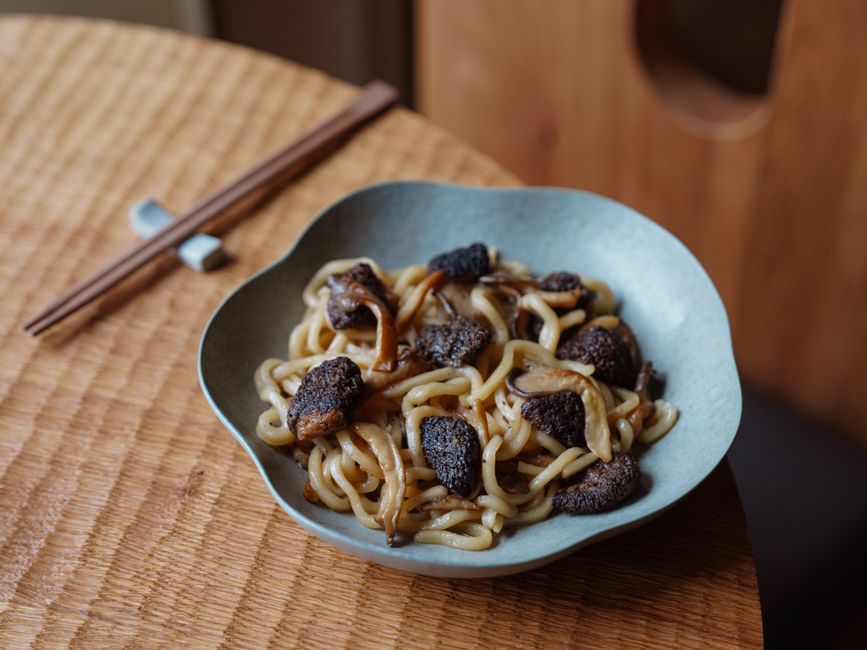
Black truffles are a type of fungus that grows underground near the roots of certain trees. They are not vegetables or mushrooms in the common sense. Their strong earthy smell and rare, seasonal harvest make them one of the most expensive foods in the world. Many people wonder whether the high cost comes with real health benefits or just culinary hype. This article explains what black truffles are, what they taste like, what nutrients they contain, and what the evidence says about their health effects.
What Are Black Truffles?
Black truffles are the fruiting body of a fungus from the genus Tuber. The most well-known species is Tuber melanosporum, often called the Périgord truffle. They form a symbiotic relationship with tree roots, mainly oaks and hazelnuts. The truffle provides the tree with minerals from the soil, and the tree gives the truffle sugars. This relationship means truffles cannot be farmed like mushrooms. They grow only in specific climates, usually in Mediterranean regions, and are harvested with trained dogs or pigs that sniff them out.
Truffles have a rough, bumpy black exterior and a dark brown or black interior with white veins. They are highly appreciated for their aroma, which is described as earthy, musky, garlicky, and slightly chocolate-like. The aroma is strongest when the truffle is fully ripe, and it fades quickly after harvest. Fresh truffles are typically available from late autumn to early spring, depending on the species.
How Do Black Truffles Taste and Smell?
The taste of a black truffle is subtle compared to its powerful smell. Many people describe it as earthy and slightly nutty with a hint of garlic. The aroma is what makes truffles special. It comes from volatile compounds, including bis(methylthio)methane, which gives that distinctive sulfurous, earthy scent. This compound is also found in garlic, mushrooms, and some cheeses.
Cooks use truffles sparingly. A few shavings over pasta, eggs, or risotto can transform a dish. The flavor is delicate and can be destroyed by high heat. Most recipes add truffles at the end of cooking or use them raw. Truffle oil, which is widely available, is almost always made from synthetic compounds, not real truffles. It does not have the same depth or complexity as fresh truffle.
What Is the Nutritional Value of Black Truffles?
Black truffles are low in calories but contain notable amounts of protein, fiber, and several minerals. A typical serving is small — often 5 to 10 grams — so the absolute nutrient contribution to your diet is modest. However, per 100 grams, truffles provide roughly 7 to 9 grams of protein, 7 to 9 grams of carbohydrate, and about 1 to 2 grams of fat. They are a good source of copper, iron, zinc, and selenium. They also contain vitamin C and some B vitamins.
Because truffles are used as a garnish, not a main ingredient, it is unrealistic to rely on them for significant nutrition. The main value comes from their unique sensory qualities. There are no official daily value guidelines specifically for truffles, and they are not considered a staple food in any dietary pattern.





Do Black Truffles Have Health Benefits?
Some laboratory studies have shown that black truffle extracts have antioxidant, anti-inflammatory, and antimicrobial properties in test tubes and in animal models. For example, compounds like phenolics and flavonoids found in truffles can neutralize free radicals in a dish. One study published in the Journal of Food Science found that truffle extracts reduced inflammation markers in mouse cells. Another small study in rats suggested that truffle consumption may help lower blood sugar and cholesterol, but animal results do not always apply to humans.
No large human clinical trials have confirmed these effects in people eating whole truffles. The amounts needed to see a measurable health benefit would probably be much larger than anyone would normally eat. The evidence is promising at a basic science level but far from proving that truffles improve human health or prevent disease. If you eat truffles, enjoy them for their flavor, not as medicine.
Are There Risks or Downsides?
Black truffles are generally safe to eat. True truffles from reputable sources do not contain toxins. However, there are a few things to know. First, truffles are expensive and often adulterated. Some cheaper products labeled “truffle oil” or “truffle salt” contain no real truffle — only synthetic aroma chemicals. These products do not offer the same compounds or possible health effects as real truffles.
Second, some people may have allergic reactions to truffles. Allergies are rare but have been reported, especially in people with molds or mushroom allergies. Third, truffles are high in purines, compounds that break down into uric acid. If you have gout or kidney stones, eating large amounts of purine-rich foods may trigger symptoms. But given the small quantities typically consumed, this is a minor concern.
How to Use Black Truffles in Cooking
Fresh black truffles should be used within a week of harvest. Store them in the refrigerator in a paper bag or wrapped in a paper towel. Some people store them with eggs or rice so the aroma infuses those foods without direct contact. Before using, brush off soil with a soft brush — do not wash them with water unless necessary, as moisture speeds spoilage.
To use, shave thin slices over hot finished dishes. Pasta, scrambled eggs, risotto, polenta, and mashed potatoes work well. Truffle butter is easy to make by mixing finely chopped truffle into softened butter and letting it sit for an hour. It freezes well for later use. Avoid long cooking times. The aroma compounds are volatile and evaporate quickly with heat. For maximum flavor, add truffle just before serving.
Frequently Asked Questions
What do black truffles taste like?
Black truffles have a strong earthy, musky aroma with hints of garlic and chocolate. The taste is more subtle than the smell, often described as nutty and savory.
Are black truffles healthy?
Fresh black truffles contain protein, fiber, and minerals like iron and zinc. However, laboratory studies suggest antioxidant and anti-inflammatory potential, but human clinical evidence is lacking.
How are black truffles harvested?
Truffles are located underground by trained dogs (or sometimes pigs) that sniff out the ripe fungi. They are then carefully dug up by hand to avoid damage.
Can you eat black truffles raw?
Yes, black truffles can be eaten raw. They are often shaved raw over hot dishes so the heat gently releases their aroma without cooking them.
