
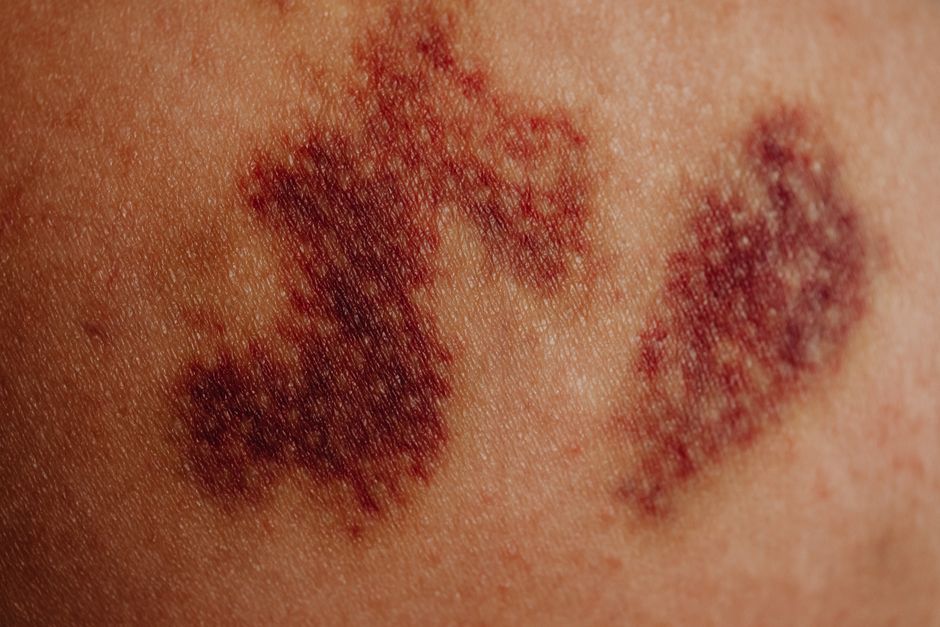
Internal bruising is bleeding that happens inside your body, beneath the skin and deeper tissues, where you cannot see it. Unlike a surface bruise that turns black and blue, an internal bruise can affect muscles, organs, or bones, and it may not show any visible mark on the outside. Treatment depends entirely on where the bleeding is and how severe it is, ranging from simple rest and ice at home to emergency medical care.
What Is Internal Bruising Symptoms And Treatment
An internal bruise is a collection of blood that pools inside body tissue after blood vessels break. The skin stays intact, so the blood has nowhere to go. It builds up in the muscle, under the lining of an organ, or within a joint space.
The most common cause is blunt force trauma — a fall, a car accident, a sports collision, or a direct blow. Blood vessels tear, and blood leaks into surrounding tissue. The body usually reabsorbs this blood over time, but large bleeds can be dangerous.
You cannot judge how serious an internal bruise is by how it looks. Deep bruises often show no visible color change for hours or days. Some never show on the surface at all.
What Does an Internal Bruise Feel Like?
The main symptom is pain. It may be a deep ache, a sharp pain, or a feeling of pressure in the area. The pain often gets worse when you move, press on the spot, or take a deep breath if the injury is near your ribs.
Swelling is common. The area may feel firm or tight because blood and fluid are collecting there. You might also notice:
- Skin that is warm to the touch over the injured area
- Limited movement in a nearby joint or muscle
- Stiffness that develops over the first day or two
- Visible discoloration that appears later, often purple, blue, or green
Some internal bruises cause no symptoms at all at first. A small bruise on the liver or kidney from a fall might only cause mild discomfort that you dismiss as a pulled muscle.
When Is Internal Bruising an Emergency?
Some internal bleeding is life-threatening and requires immediate medical attention. You cannot treat these at home.
Seek emergency care if you have any of these signs after an injury:
- Severe pain that does not improve or gets worse
- Dizziness, lightheadedness, or fainting
- Rapid heart rate or rapid breathing
- Pale, clammy, or cool skin
- Nausea or vomiting
- Blood in urine or stool
- Coughing up blood
- A swollen, tense, or hard area that grows larger
- Weakness or numbness in a limb
These symptoms can signal significant blood loss. Internal bleeding can lower blood pressure and reduce oxygen delivery to your organs. That is a medical emergency, not something to wait out at home.
Head injuries deserve special caution. If someone hits their head and then vomits, becomes confused, loses consciousness, or has a severe headache, they need emergency evaluation. Bleeding inside the skull can build pressure on the brain.




How Is an Internal Bruise Diagnosed?
A doctor starts with a physical exam and a conversation about how the injury happened. They will press on the area to check for tenderness and swelling and assess your range of motion.
Imaging tests help confirm what is happening inside. An ultrasound can show fluid collections in soft tissue. A CT scan is the standard test for internal bleeding in the abdomen, chest, or head because it provides detailed images of organs and blood vessels. MRI may be used for joint injuries or deep muscle bruises.
In some cases, doctors use blood tests to check for a drop in red blood cells, which indicates blood loss. If you take blood thinners, this is especially important because even a minor injury can cause significant internal bleeding.
What Is the Treatment for Internal Bruising?
Treatment depends on the location and severity of the bruise. Many internal bruises — even large ones — heal on their own with time and supportive care.
For minor internal bruises in muscles or soft tissue, doctors typically recommend the RICE approach:
- Rest: Avoid using the injured area for the first 24 to 48 hours
- Ice: Apply a cold pack for 15 to 20 minutes every few hours to reduce swelling
- Compression: Use an elastic bandage if the area can be wrapped safely
- Elevation: Raise the injured limb above heart level when possible
Over-the-counter pain relievers can help. Acetaminophen is generally preferred because ibuprofen and aspirin can increase bleeding risk. Ask a pharmacist or doctor before taking any pain medication, especially if you take blood thinners or have liver or kidney disease.
More serious internal bruises may require hospital care. If bleeding is significant, doctors may need to drain the collected blood with a needle or perform surgery to stop the bleeding. This is uncommon but necessary when the bleed does not stop on its own or puts pressure on vital structures.
How Long Does an Internal Bruise Take to Heal?
Healing time varies widely based on the injury location and size. A small muscle bruise may feel better within a week. A large bruise in a deep muscle like the thigh or calf can take several weeks or even months to fully resolve.
Organ bruises follow a different timeline. A bruised kidney from a sports injury might take weeks to heal, and you may need follow-up imaging to confirm the bruise is resolving. Rib bruises can take six weeks or more because the area keeps moving with every breath.
During recovery, the body breaks down the pooled blood and reabsorbs it. The area may change color as this happens — from dark purple to green to yellow — even if the bruise is internal and you only see these changes on the surface later.
Returning to activity too soon can worsen the injury. Pain is a useful guide. If movement hurts, the tissue is not ready. Gradual return to normal activity, guided by your doctor, is safer than pushing through pain.
Who Is at Higher Risk for Internal Bruising?
Anyone can get an internal bruise, but some people bruise more easily or bleed more heavily after injury.
People taking blood thinners — including warfarin, apixaban, rivaroxaban, or aspirin — are at higher risk. These medications interfere with the blood’s ability to clot, so even small blood vessel tears can bleed more. A minor fall that would cause a simple bruise in most people can cause significant internal bleeding in someone on these medications.
Other risk factors include:
- Liver disease, which reduces clotting factor production
- Low platelet counts from conditions like immune thrombocytopenia
- Vitamin K deficiency, since vitamin K is needed for clotting
- Blood clotting disorders such as hemophilia or von Willebrand disease
- Advanced age, because blood vessels become more fragile
If you are in a higher-risk group, even a seemingly minor injury deserves medical evaluation. A doctor may recommend imaging or observation to rule out hidden bleeding.
Can You Prevent Internal Bruising?
You cannot prevent accidents entirely, but you can reduce your risk of serious internal bleeding.
Wearing seatbelts in cars and helmets when cycling or playing contact sports provides direct protection to the head, chest, and abdomen. Using proper protective equipment for sports — like shin guards, chest protectors, and padded gear — reduces the force of impacts.
If you take blood thinners, keep your medication reviews up to date. Some people need dose adjustments over time. Never stop a blood thinner without talking to your doctor first, but do discuss your bleeding risk at every checkup.
Home safety matters too. Removing trip hazards, securing rugs, and improving lighting can prevent falls, especially for older adults. Falls are the leading cause of internal bruising in people over 65.
What Does a Bruise on an Organ Mean?
Organ bruises — also called contusions — happen when a blow compresses an organ against a hard structure like a rib or the spine. The organ’s tissue bruises and bleeds internally, but the organ usually keeps working.
The liver, spleen, kidneys, and lungs are the organs most commonly bruised in accidents. The spleen is especially concerning because it is rich in blood vessels. A splenic rupture — where the spleen tears open — is a medical emergency that requires immediate surgery in many cases.
An organ bruise is not the same as organ damage from a laceration or rupture. A bruise means the tissue is intact but bleeding within itself. A laceration means the tissue has torn. Imaging tests distinguish between these, and treatment differs significantly.
If you have persistent pain in your abdomen, chest, or back after an injury, do not assume it is just a muscle strain. Organ bruises can mimic muscle pain, and the only way to know for certain is with imaging.
Frequently Asked Questions
Can you have internal bruising without a visible bruise?
Yes. Internal bruises often show no visible mark on the skin, especially when the bleeding is deep in muscle or around organs. The skin may stay completely normal while significant bleeding occurs beneath it.
How do I know if internal bleeding is serious?
Seek emergency care if you have severe pain, dizziness, fainting, rapid heart rate, pale skin, vomiting, or blood in urine or stool after an injury. These signs can indicate significant blood loss that requires immediate treatment.
Can internal bruising heal on its own?
Yes, many internal bruises heal without treatment, especially small ones in muscle tissue. Larger bruises and organ bruises may need medical monitoring, and any bruise that causes severe symptoms requires evaluation.
What should I do right after a hard fall?
Apply ice to the area for 15 to 20 minutes, rest the injured part, and watch for worsening pain, swelling, or any emergency signs. If pain is severe or you feel unwell, get medical attention rather than waiting at home.
