
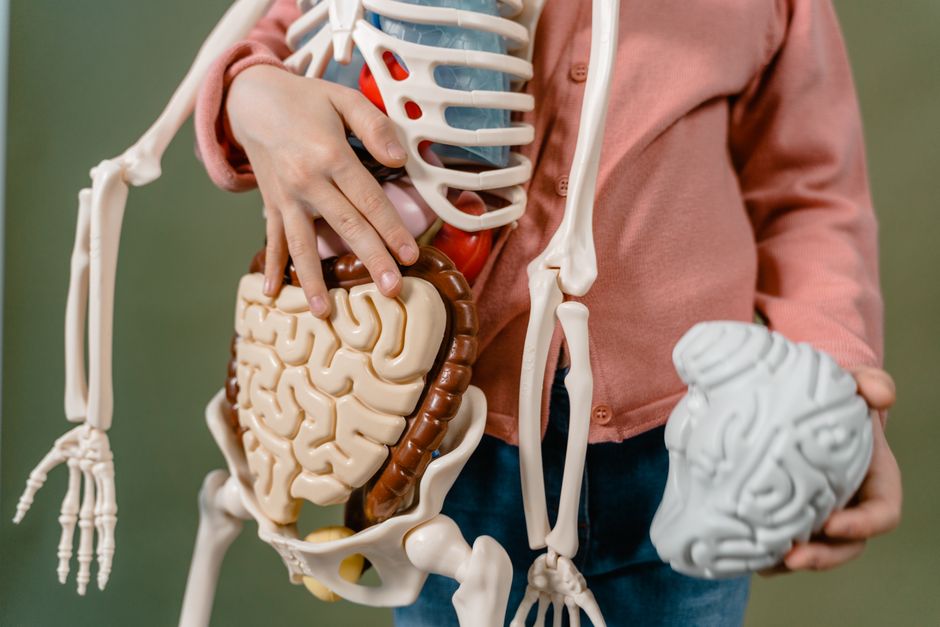
Ingestion is the act of taking food or drink into the body through the mouth. It is the first step of the digestive process, beginning the moment food enters your mouth and is chewed and mixed with saliva. While it sounds simple, ingestion triggers a complex chain of mechanical and chemical events that prepare food for the long journey through your digestive tract.
What Is Ingestion In The Digestive System?
Ingestion is the voluntary act of putting food into your mouth, chewing it, and swallowing it. This is the only part of digestion that is under your conscious control. Once you swallow, the rest of the digestive process runs automatically through involuntary muscle contractions called peristalsis.
The digestive system is often described as a long tube running from mouth to anus. Ingestion is the entry point of that tube. It includes biting, chewing, moistening food with saliva, and forming it into a soft mass called a bolus that can be safely swallowed.
Chewing is not just about breaking food into smaller pieces. It increases the surface area of the food so digestive enzymes can work on it more efficiently. The physical breakdown of food in the mouth is called mechanical digestion. Chemical digestion also begins here as enzymes in saliva start breaking down carbohydrates.
What Happens In The Mouth During Ingestion?
The mouth, or oral cavity, is where ingestion begins. Your teeth tear and grind food into smaller pieces. Your tongue moves food around so it is chewed evenly and mixes with saliva. Saliva is produced by three pairs of major salivary glands plus many smaller ones.
Saliva serves several critical purposes. It lubricates food so it can slide down the esophagus easily. It contains an enzyme called salivary amylase that begins breaking down starches into simpler sugars. Saliva also contains mucus, which binds food particles together, and lysozyme, an enzyme that helps control bacteria in the mouth.
Your tongue then pushes the chewed food toward the back of your throat. This is the moment when voluntary control ends. Swallowing is a reflex that takes over once food reaches the pharynx. You cannot stop a swallow once it has started.
How Does Swallowing Work?
Swallowing is a coordinated sequence of events that moves the bolus from the mouth through the pharynx and into the esophagus. It involves more than 30 muscles and multiple cranial nerves working together in precise timing.
The process has three phases. The first is the oral phase, where the tongue pushes food backward. The second is the pharyngeal phase, where the food passes through the throat. The third is the esophageal phase, where food travels down the esophagus to the stomach.
During the pharyngeal phase, a flap of tissue called the epiglottis closes over the opening to your windpipe. This prevents food from entering your airway. At the same time, a muscle at the top of the esophagus relaxes to let food pass through. This is why you cannot breathe and swallow at the same time.
Aspiration occurs when food or liquid enters the airway instead of the esophagus. This can cause choking or lead to pneumonia if it happens regularly. People with neurological conditions that weaken swallowing muscles are at higher risk for aspiration.





What Happens After Food Is Swallowed?
Once the bolus enters the esophagus, peristalsis takes over. Peristalsis is a wave of coordinated muscle contractions that pushes food downward. It is involuntary and continues even if you are upside down.
The esophagus is a muscular tube about 25 centimeters long in adults. It passes through the diaphragm and connects to the stomach. At the lower end of the esophagus is a ring of muscle called the lower esophageal sphincter. This sphincter relaxes to let food enter the stomach and then closes to prevent stomach contents from flowing back up.
When the lower esophageal sphincter fails to close properly, stomach acid can reflux into the esophagus. This causes heartburn, a burning sensation behind the breastbone. Occasional reflux is common, but frequent reflux may indicate gastroesophageal reflux disease, or GERD.
Why Is Ingestion Important For Digestion?
Ingestion sets the stage for every subsequent step of digestion. How well you chew affects how easily your stomach and intestines can process food. Poorly chewed food takes longer to break down and may cause discomfort.
Chewing also sends signals to the rest of the digestive system. The act of chewing stimulates saliva production and signals the stomach to prepare for incoming food. The stomach begins producing gastric acid before food even arrives. This anticipatory response is part of the cephalic phase of digestion, which is triggered by seeing, smelling, or thinking about food.
Eating slowly and chewing thoroughly gives your digestive system time to respond appropriately. It also gives your brain time to register fullness. Research suggests that eating quickly is associated with overeating and weight gain, partly because the brain needs time to receive satiety signals from the gut.
Common Problems Related To Ingestion
Several conditions can interfere with normal ingestion. Dysphagia is the medical term for difficulty swallowing. It can result from stroke, neurological diseases, structural abnormalities, or aging-related muscle weakness.
Dental problems also affect ingestion. Missing teeth, ill-fitting dentures, or painful cavities make chewing difficult. People who cannot chew properly often avoid certain foods, which can lead to nutritional deficiencies over time.
Reduced saliva production, a condition called xerostomia or dry mouth, makes chewing and swallowing harder. It can be caused by medications, radiation therapy to the head and neck, or autoimmune conditions like Sjögren’s syndrome. Without enough saliva, food does not form a proper bolus, and swallowing becomes less efficient.
If you experience persistent difficulty swallowing, pain with swallowing, or frequent choking, seek medical evaluation. These symptoms can indicate a serious underlying condition that requires professional diagnosis.
How To Support Healthy Ingestion
Simple habits can support healthy ingestion and digestion. Chew food thoroughly before swallowing. Aim to chew until the food is a smooth consistency before you swallow. There is no universal rule for how many chews are needed because food textures vary, but slowing down helps.
Stay hydrated. Adequate fluid intake supports saliva production and helps food move smoothly through the esophagus. Water is the best choice. Sipping water during meals can also help if you have mild dry mouth.
Eat in a relaxed environment. Stress activates the sympathetic nervous system, which can slow digestion. Sitting upright while eating and for a short time afterward helps food move properly through the esophagus and stomach.
Address dental problems promptly. Regular dental checkups and prompt treatment of tooth pain or gum disease protect your ability to chew effectively. If you wear dentures, ensure they fit properly.
Frequently Asked Questions
What is the difference between ingestion and digestion?
Ingestion is taking food into the mouth, while digestion is the breakdown of that food into nutrients the body can absorb. Ingestion is the first step, and digestion includes all the mechanical and chemical processes that follow.
Does digestion begin in the mouth?
Yes, digestion begins in the mouth with chewing and the action of salivary amylase breaking down starches. This is why thorough chewing matters for the rest of the digestive process.
Is swallowing voluntary or involuntary?
The first part of swallowing is voluntary, but once food reaches the back of the throat, the swallow reflex takes over automatically. You cannot stop a swallow once it has begun.
What causes difficulty swallowing?
Difficulty swallowing can be caused by neurological conditions, muscle weakness, structural blockages, or acid reflux. If you have persistent trouble swallowing, seek medical evaluation to determine the cause.
