
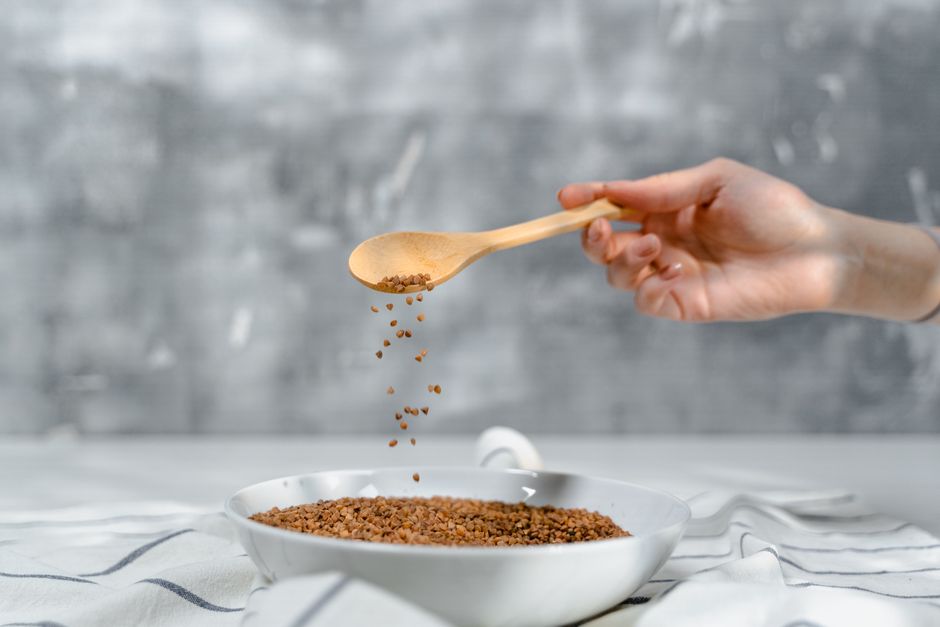
Textured vegetable protein is a dried food made from defatted soybeans. Manufacturers grind soy flour, remove most of the oil, then force the protein through a machine called an extruder that heats and shapes it. The result is a spongy, chewy product that looks a little like ground meat once it soaks up water.
You will see it sold as TVP, textured soy protein, or soy protein concentrate. It shows up in veggie burgers, meatless crumbles, and some canned chili. The ingredient itself is simple. What matters more is what it does in your body and how it fits into a real diet.
What Is In Textured Vegetable Protein?
TVP is mostly protein and carbohydrate, with very little fat. Because the soybean oil is pulled out during processing, the fat content drops to a small fraction of what you would find in whole soybeans. That is the main reason it has a long shelf life in dry form.
The exact nutrition varies by brand and by whether the product is plain or flavored. As a general reference, a quarter cup of dry TVP (about 24 grams) provides roughly 80 calories, 12 grams of protein, and 3 to 4 grams of fiber. These figures come from standard USDA nutrient data for plain, unflavored TVP and can shift depending on the manufacturer.
Here is where people get confused. TVP is not the same as tofu or edamame. Tofu is made by curdling soy milk and pressing the curds. Edamame are whole immature soybeans. TVP is a processed soy protein product with the oil removed and the texture rebuilt. They share a source plant but behave very differently in cooking and in the body.
How Is Textured Vegetable Protein Made?
The process starts with soybeans that have been cleaned, cracked, and had their oil extracted, usually with a solvent. What is left is defatted soy flour or soy protein concentrate. This powder is high in protein but has no structure.
An extruder changes that. The powder is mixed with water and pushed through a barrel under heat and pressure. As it exits through a shaped die, the pressure drops suddenly. Water inside the mixture flashes into steam, which puffs the protein into a fibrous, spongy texture. This is the same general idea behind how some breakfast cereals get their shape, though the goal here is texture rather than crunch.
The dried pieces are then packaged plain or seasoned. Plain TVP has almost no flavor on its own. That is a feature, not a flaw. It takes on the taste of whatever broth or sauce you cook it in.
What Nutrients Does TVP Provide?
TVP is a concentrated source of plant protein. It also carries fiber, some iron, and a range of minerals. Because it is made from soy, it contains all nine essential amino acids, which makes it a complete protein. That is a meaningful point for people eating plant-based diets, since many single plant foods are low in one or more essential amino acids.
What it does not provide is vitamin B12. No plant food naturally contains B12. If you rely on TVP as a main protein and avoid animal products, you need a separate B12 source. This is not a minor detail. B12 deficiency can cause nerve damage and anemia, and it develops slowly over years.
TVP is also not a significant source of omega-3 fats. The oil was removed during processing, and the fats that remain are mostly omega-6. If you are looking for the fats found in fish or flax, TVP will not supply them.
| Nutrient (per ~24 g dry, plain) | Approximate amount |
|---|---|
| Calories | 80 |
| Protein | 12 g |
| Carbohydrate | 6–7 g |
| Fiber | 3–4 g |
| Fat | Under 1 g |
| Vitamin B12 | None naturally |
These are reference values for unflavored TVP. Flavored or seasoned versions add sodium and sometimes sugar, so check the label if those matter to you.
Is Textured Vegetable Protein Healthy?
That depends on what it replaces and how much you eat. As a swap for ground beef in chili or tacos, TVP lowers saturated fat and raises fiber. That is a reasonable trade for most people. As a food you eat at every meal, the picture is less clear simply because no one eats that way in the studies.
Soy protein has been studied more than almost any other plant protein. Research has generally found that soy protein lowers LDL cholesterol compared with animal protein when it replaces it in the diet. The effect is modest, not dramatic, and it shows up most in people with already elevated cholesterol.
The bigger question people ask is about soy and hormones. Soy contains isoflavones, compounds that can weakly mimic estrogen in the body. This has fueled decades of worry about breast cancer and thyroid function. The evidence does not support the alarm. Large population studies have not found that eating soy raises breast cancer risk in general populations, and some have suggested a lower risk. For thyroid function, soy does not appear to cause problems in people with normal iodine intake, though it may interfere with thyroid medication absorption if taken at the same time.
Two honest caveats. First, most of the reassuring soy research is on whole soy foods like tofu and edamame, not specifically on highly processed TVP. It is reasonable to expect similar effects, but it is not the same evidence. Second, TVP is a processed food. Processed does not automatically mean unhealthy, but it does mean the food has been changed from its original form, and that is worth knowing.
Who Should Be Careful With TVP?
Most people can eat TVP without issue. A few groups should pay closer attention.
- People with soy allergy. TVP is soy. This is not a food to try if you have a diagnosed soy allergy. Reactions can range from mild to severe.
- People taking thyroid medication. Soy can reduce absorption of levothyroxine if eaten around the same time. Separating the doses is standard advice. Talk to your prescriber about timing.
- People with kidney disease. High-protein foods may need to be limited depending on your stage and lab results. Follow your care team’s guidance rather than general advice.
- People watching sodium. Flavored TVP and meatless crumbles can be high in salt. Plain TVP is low in sodium.
TVP is not recommended as a primary food for infants. Their protein and mineral needs are specific and differ from adults. No clinical guidelines support using TVP as an infant food.
How Do You Cook With TVP?
TVP comes dry and needs rehydrating. The usual method is to cover it with hot water or broth and let it sit for about 10 minutes until it softens. The ratio is roughly one part dry TVP to one part liquid by volume, though this varies by brand and grind size.
After it rehydrates, squeeze out excess liquid if you want a firmer texture. Then treat it like ground meat. Brown it in a pan with oil, add it to tomato sauce, fold it into tacos, or mix it into a casserole. It holds up well in dishes with strong flavors because it absorbs whatever it sits in.
One practical note. Because TVP has almost no fat, it can taste dry if you do not add some oil or cook it with something moist. This is why it works best in saucy dishes rather than as a standalone patty.
How Does TVP Compare to Other Meat Alternatives?
TVP is one option among many. Tofu is softer and higher in water. Tempeh is fermented whole soybeans with a firmer bite. Seitan is made from wheat gluten, not soy, so it is off the table for anyone avoiding gluten. Each has a different nutrition profile.
Compared with heavily processed meat substitutes, plain TVP is fairly simple. It has one main ingredient and no long list of additives. Some refrigerated plant-based meats contain dozens of ingredients, including binders, flavorings, and added oils. That does not make them bad, but it makes plain TVP a straightforward choice if you want to keep things minimal.
The main thing to remember is that TVP is a tool, not a magic food. It is a cheap, shelf-stable, high-protein ingredient that works well in certain dishes. It will not fix a poor diet, and it will not ruin a good one.
Frequently Asked Questions
Is textured vegetable protein the same as tofu?
No, they are different products made from the same plant. Tofu is curdled soy milk, while TVP is defatted soy flour reshaped by extrusion into a dry, spongy form.
Is textured vegetable protein bad for you?
For most people, TVP is a reasonable high-protein, low-fat food, and soy protein has generally been linked to modest cholesterol benefits. The evidence base is stronger for whole soy foods than for processed TVP specifically, so it is best treated as one part of a varied diet.
Does textured vegetable protein contain estrogen?
It contains isoflavones, plant compounds that can weakly mimic estrogen, but large population studies have not found that eating soy raises breast cancer risk in general populations. The effect is far weaker than human estrogen.
Can you eat textured vegetable protein raw?
No, dry TVP must be rehydrated in hot liquid or cooked before eating. Eating it dry is not dangerous in small amounts but it is hard to digest and unpleasant.
