
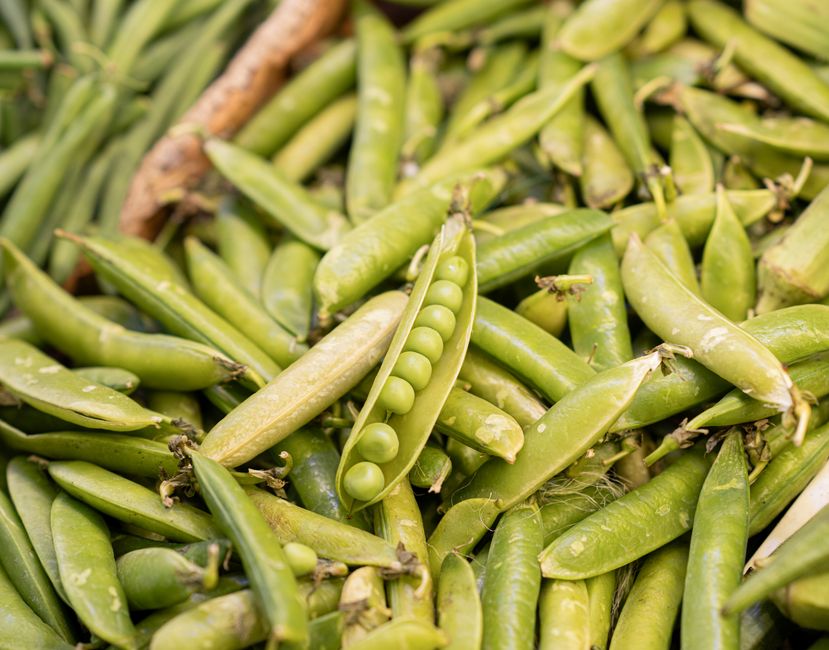
You might be surprised to learn that vegetables can be a solid source of protein. While meat and beans get most of the attention, many vegetables pack a meaningful protein punch. The vegetables with the highest protein content include green peas, spinach, broccoli, Brussels sprouts, asparagus, and artichokes. These vegetables provide between 3 to 9 grams of protein per cooked cup, which can add up quickly in a balanced diet.
Which Vegetables Have the Most Protein?
Green peas lead the vegetable protein category. One cooked cup of green peas provides about 9 grams of protein. That is roughly the same amount as a large egg. Peas are also rich in fiber and several B vitamins.
Spinach is another strong option. One cup of cooked spinach gives you about 5 grams of protein. The same amount of raw spinach has only about 1 gram, so cooking matters. Cooking concentrates the nutrients and makes the protein more available.
Broccoli and Brussels sprouts each provide around 4 grams of protein per cooked cup. Asparagus offers about 4 grams per cup of cooked spears. Artichokes deliver roughly 4 grams per medium artichoke. These numbers are real and measurable, not exaggerated claims.
How Do Vegetable Proteins Compare to Animal Proteins?
This is where the honest answer gets important. Vegetable proteins are real, but they are not identical to animal proteins. The key difference is the amino acid profile.
Proteins are made of building blocks called amino acids. Your body needs nine essential amino acids that it cannot make on its own. Animal proteins contain all nine in good amounts. Most vegetables are low in one or more of these essential amino acids.
For example, peas are low in methionine but high in lysine. Grains like rice or wheat are the opposite — low in lysine but high in methionine. Eating vegetables with grains or legumes creates a complete protein without needing to eat them at the same meal. Your body pools amino acids over the day.
The American Heart Association notes that plant-based diets can meet all protein needs when they include a variety of foods. This is well-established science, not a trend.
How Much Protein Do You Actually Need From Vegetables?
The Recommended Dietary Allowance (RDA) for protein is 0.8 grams per kilogram of body weight per day. For a 150-pound person, that is about 55 grams of protein daily. Many health experts suggest higher intakes for active adults — around 1.2 to 1.6 grams per kilogram.
Vegetables alone will not easily hit these targets. One cup of cooked peas gives you 9 grams. A cup of cooked spinach gives 5 grams. You would need to eat several cups of high-protein vegetables each day to get close to your total protein needs.
That is not a problem. It just means vegetables are part of the picture, not the whole picture. Most people who eat a varied diet get plenty of protein from a mix of vegetables, grains, legumes, nuts, seeds, and animal foods if they choose them.



Does Cooking Affect Vegetable Protein Content?
Yes, cooking changes both the amount and the availability of protein in vegetables. The good news is that cooking usually makes the protein more digestible.
Research published in the Journal of Food Science found that cooking spinach increases protein digestibility by breaking down cell walls. Your body can access more of the protein that is there. The same is true for broccoli, asparagus, and peas.
Boiling can cause some water-soluble nutrients to leach into the cooking water. Steaming and roasting keep more of the protein and other nutrients in the vegetable. If you boil vegetables, consider using the cooking water in soups or sauces to capture what was lost.
One thing to know: raw vegetables have less digestible protein than cooked ones. That kale salad is healthy, but you will absorb more protein from cooked kale than raw kale.
What About Protein Quality in Vegetables?
Protein quality matters more than some articles suggest. The concept of “complete” versus “incomplete” proteins has been overhyped in popular health content. The reality is more nuanced.
The Protein Digestibility Corrected Amino Acid Score (PDCAAS) is the standard method for measuring protein quality. It ranges from 0 to 1.0. Soy protein scores 1.0. Pea protein scores about 0.78. Spinach protein scores around 0.7. These are respectable numbers.
The limiting amino acids in most vegetables are lysine, methionine, and tryptophan. But here is the practical truth: if you eat a variety of vegetables, grains, and legumes throughout the day, you will get all the amino acids you need. The old idea of “protein combining” at every meal has been debunked by nutrition science.
The Academy of Nutrition and Dietetics states that plant protein can meet protein requirements when a variety of plant foods is consumed and energy needs are met. That is the key phrase — variety and enough total calories.
Can You Build Muscle With Vegetable Protein?
Yes, but it takes more attention to detail. Studies have found that muscle protein synthesis responds to the amount of leucine in a meal. Leucine is the amino acid that triggers muscle building. Animal proteins are naturally high in leucine. Most vegetables are not.
One study published in the American Journal of Clinical Nutrition found that 30 grams of soy protein stimulated muscle protein synthesis similarly to 30 grams of whey protein in young adults. For older adults, the response was slightly lower with soy. This suggests that plant proteins work, but the dose may need to be higher.
To build muscle with vegetable protein, you need to eat more total protein. The typical recommendation for athletes is 1.6 grams per kilogram of body weight. If you get most of your protein from vegetables and other plants, aim for the higher end of that range.
Practical tip: combine high-protein vegetables with other plant proteins at meals. A stir-fry with peas, broccoli, and tofu gives you a strong amino acid mix. A salad with spinach, chickpeas, and quinoa works the same way.
| Vegetable | Protein per Cooked Cup | Calories | Key Amino Acid Limitation |
|---|---|---|---|
| Green Peas | 9 g | 134 | Low in methionine |
| Spinach | 5 g | 41 | Low in lysine |
| Broccoli | 4 g | 55 | Low in methionine |
| Brussels Sprouts | 4 g | 56 | Low in lysine |
| Asparagus | 4 g | 40 | Low in methionine |
| Artichokes | 4 g | 89 | Low in tryptophan |
Common Misconceptions About Vegetable Protein
One widespread myth is that vegetables have no protein at all. This is simply false. Every whole food contains some protein. The question is how much and how well it is absorbed.
Another myth is that you must eat vegetables raw to get their protein. As discussed earlier, cooking improves digestibility. Raw vegetables have less available protein than cooked ones. There is no benefit to eating them raw for protein content.
Some people claim that vegetable protein is “incomplete” and therefore useless without animal protein. This is misleading. Your body does not need every meal to be complete. It needs a complete amino acid pool over the course of a day. A varied plant diet provides that.
The idea that you need to combine proteins at every meal — rice and beans, for example — was popularized by a 1971 book called “Diet for a Small Planet.” The author later corrected herself. The science moved on. Your body handles amino acid pooling just fine across separate meals.
What to Avoid When Adding Vegetable Protein to Your Diet
Avoid relying on a single vegetable as your only protein source. Eating only spinach for protein would require unrealistic amounts. Variety is not optional here — it is necessary for getting all amino acids.
Avoid processed vegetable protein products that claim to be high protein but are full of additives. Some “veggie burgers” have more filler than actual vegetables. Read ingredient lists. Look for whole food ingredients.
Avoid the trap of thinking protein powders are better than whole vegetables. Pea protein powder is fine as a supplement, but whole peas give you fiber, vitamins, and phytonutrients that the powder lacks. Whole foods first, supplements second.
One thing that genuinely matters: if you dramatically increase your vegetable fiber intake, do it gradually. Jumping from low-fiber to high-fiber overnight can cause bloating and gas. Your gut bacteria need time to adjust.
Frequently Asked Questions
What vegetable has the highest protein content?
Green peas have the highest protein content among common vegetables at about 9 grams per cooked cup. Edamame and soybeans are technically legumes and provide even more at around 18 grams per cup.
Can you get enough protein from vegetables alone?
It is possible but requires eating large amounts of high-protein vegetables along with legumes and grains. Most people find it easier to include a mix of plant and animal proteins or to add legumes and nuts to their vegetable intake.
Do raw vegetables have more protein than cooked vegetables?
No. Cooking makes the protein in vegetables more digestible and available for your body to use. Raw vegetables have the same amount of protein by weight but less of it is absorbed.
Is vegetable protein as good as animal protein for building muscle?
Vegetable protein can support muscle building but usually requires a higher total protein intake. The leucine content in vegetable protein is lower, so you need more total protein to trigger the same muscle-building response.
