
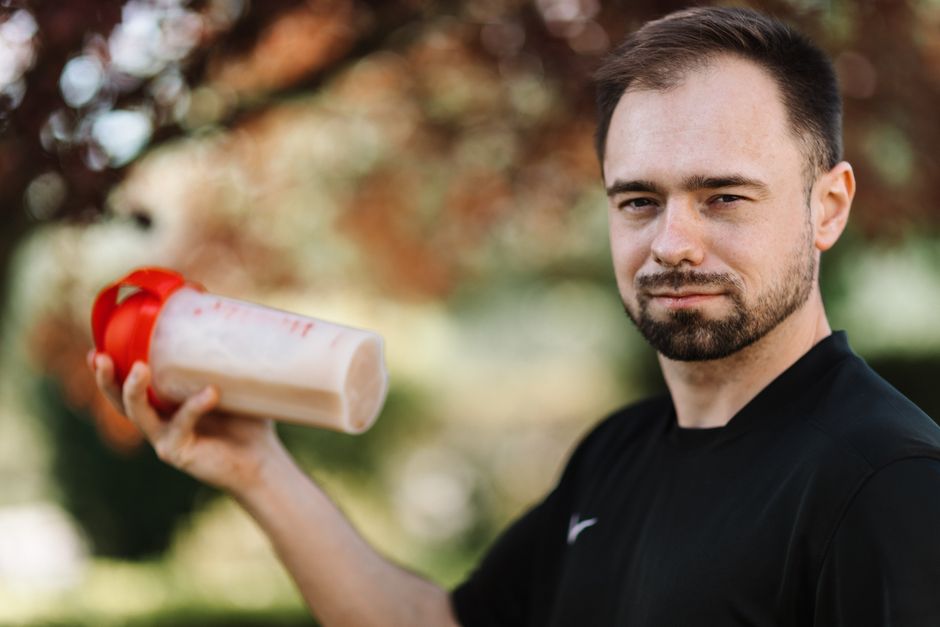
The short answer is that the best time to drink a protein shake depends entirely on your goal. For muscle growth, the window of opportunity is wider than most people think. For weight loss or meal replacement, timing is about strategy, not urgency. There is no single perfect moment that works for everyone.
Research shows that total daily protein intake matters more than precise timing. The American College of Sports Medicine has stated that consuming protein within a two-hour window after exercise is sufficient for most people. The old idea of a 30-minute “anabolic window” has been largely overstated. Your body processes protein over hours, not minutes.
Does Drinking Protein Right After a Workout Actually Help?
Yes, but not for the reasons you might have heard. Post-workout protein helps repair muscle tissue that breaks down during exercise. Studies published in the Journal of the International Society of Sports Nutrition found that consuming protein after resistance training stimulates muscle protein synthesis for up to 24 hours.
The real question is whether immediate consumption matters. Research shows that protein timing becomes less important when you eat enough protein throughout the day. If you had a protein-rich meal two hours before your workout, you do not need a shake immediately after. Your body still has amino acids circulating from that meal.
That said, convenience matters. Many people find it easier to drink a shake right after training than to prepare a whole food meal. If that works for your schedule, it is a perfectly good strategy. The key is consistency, not perfection.
What Is The Best Time To Drink A Protein Shake for Muscle Growth?
For building muscle, the most important factor is spreading your protein intake across the day. Research published in the American Journal of Clinical Nutrition found that consuming 20-40 grams of protein every three to four hours optimizes muscle protein synthesis compared to eating most protein in one meal.
A shake can fill a gap in your daily protein distribution. Many people eat a low-protein breakfast, a moderate-protein lunch, and a high-protein dinner. That pattern is less effective for muscle growth than spreading protein evenly. If you skip breakfast or have a small one, a morning shake can balance your day.
Pre-workout protein also works. A study in the journal Medicine and Science in Sports and Exercise found that consuming protein 30-60 minutes before training produced similar muscle gains to post-workout protein. The total daily amount matters more than the timing relative to exercise.
For most people, the best time is whenever you can consistently fit it into your schedule. Morning, post-workout, or as an afternoon snack all work. The worst time is never — missing a shake entirely because you could not find the perfect moment.
Can a Protein Shake Help With Weight Loss?
Yes, but only as part of a calorie-controlled diet. Protein shakes can reduce hunger and help preserve muscle mass during weight loss. A study in the journal Obesity found that replacing one or two meals per day with protein shakes led to greater weight loss and fat loss compared to a standard low-calorie diet.
The timing matters for appetite control. Drinking a shake 30-60 minutes before a meal can reduce how much you eat at that meal. Research shows that liquid calories are less satiating than solid food, but protein shakes perform better than sugary drinks. If you use a shake to manage hunger, drink it before your largest meal of the day.
Be careful with calorie content. Many store-bought shakes contain 200-400 calories and added sugars. If weight loss is your goal, choose a shake with under 200 calories and at least 20 grams of protein. Read labels closely — some “protein shakes” are glorified milkshakes with more sugar than protein.





What Does the Research Say About Fasted Morning Protein?
Some people drink protein first thing in the morning on an empty stomach. The theory is that overnight fasting leaves your body in a catabolic state where it breaks down muscle. Research does not fully support this concern for most people.
A study in the Journal of Applied Physiology found that muscle protein breakdown during an overnight fast is minimal in healthy adults. Your body is efficient at preserving muscle tissue. Drinking protein immediately upon waking is not necessary unless you went to bed hungry or did an intense evening workout.
However, morning protein does have benefits. It can help you hit your daily protein target earlier, which improves overall distribution. It also provides steady energy for people who exercise in the morning before breakfast. If you train fasted, consuming protein afterward is a smart move.
The evidence does not show that morning protein is superior to afternoon or evening protein for muscle maintenance. What matters is that you get enough total protein across the day. Morning shakes are convenient, not critical.
Should You Drink a Protein Shake Before Bed?
Casein protein before bed has research support. Casein digests slowly, providing a steady release of amino acids over six to eight hours. A study in the journal Nutrition and Metabolism found that consuming 40 grams of casein before sleep improved muscle protein synthesis overnight in active men.
Whey protein is less ideal before bed because it digests quickly. If you want a nighttime shake, choose casein or a milk protein blend. Greek yogurt or cottage cheese are whole food alternatives that provide casein naturally.
For most people, a bedtime shake is optional. If your total daily protein intake is adequate, adding a shake before sleep is unlikely to provide extra benefit. The exception is older adults or athletes with high protein needs who struggle to meet their targets during the day.
Be mindful of calories before bed. A 200-calorie shake is fine for most people, but a 400-calorie shake every night can add up. If weight management is a concern, consider whether that bedtime shake fits your daily calorie budget.
What Are Common Mistakes People Make With Protein Shakes?
Relying too heavily on shakes instead of whole foods is the most common error. Whole foods provide fiber, vitamins, and minerals that protein shakes lack. The Academy of Nutrition and Dietetics recommends getting most protein from food sources like meat, eggs, dairy, beans, and legumes.
Another mistake is using protein shakes as a crutch for poor nutrition. Drinking a shake for breakfast, lunch, and dinner is not a sustainable diet. Shakes are supplements, not replacements. They fill gaps in your diet but should not be the foundation of it.
Overconsumption is also common. More protein is not always better. The body has a limit on how much protein it can use for muscle building at one time. Research suggests that 20-40 grams per serving is the effective range. Drinking 80 grams in one shake is wasteful and can cause digestive discomfort.
Ignoring total calorie intake is another pitfall. Protein shakes contain calories, and those calories count toward your daily total. Drinking multiple shakes without adjusting food intake can lead to weight gain, even if the shakes are healthy. Track your shakes like any other food.
Comparison of Protein Shake Timing by Goal
| Goal | Recommended Timing | Why It Works |
|---|---|---|
| Muscle growth | Within 2 hours after workout | Supports muscle repair when amino acid levels drop |
| Weight loss | 30-60 minutes before meals | Reduces appetite and total calorie intake |
| Daily protein target | Any time with a gap in protein intake | Improves distribution across the day |
| Morning workout | Post-workout or as breakfast | Provides protein after fasted training |
| Overnight recovery | 30 minutes before bed | Casein provides slow-release amino acids |
How Much Protein Do You Actually Need Per Day?
The minimum recommended dietary allowance for protein is 0.8 grams per kilogram of body weight. That is about 55 grams for a 150-pound person. This amount prevents deficiency but is not optimal for muscle growth or weight loss.
For active adults, the evidence supports higher intake. The International Society of Sports Nutrition recommends 1.4 to 2.0 grams per kilogram of body weight for physically active people. That translates to 95 to 136 grams per day for a 150-pound person. Most people do not need more than 2.0 grams per kilogram unless they are elite athletes or bodybuilders.
Protein shakes can help you reach these targets, but they are not required. A single scoop of whey protein provides about 25 grams. If your diet already includes eggs at breakfast, chicken at lunch, and fish at dinner, you likely do not need a shake. If you struggle to eat enough protein, a shake is a convenient solution.
Spread your protein across three to four meals. Do not try to get all your protein in one sitting. Your body can only use so much at once, and the excess is stored as fat or excreted. Even distribution is the evidence-backed strategy.
Frequently Asked Questions
What is the best time to drink a protein shake for muscle gain?
Within two hours after your workout works well, but total daily protein intake matters more. Spreading protein across three to four meals is the most effective strategy.
Is it okay to drink a protein shake on an empty stomach?
Yes, it is perfectly safe. Your body digests protein the same way regardless of whether you have eaten other food first.
Can I drink protein shakes every day?
Yes, if they fit your daily calorie and protein needs. Just do not rely on them as your only protein source.
Do protein shakes make you gain weight?
Only if you consume more calories than your body burns. Protein shakes themselves do not cause weight gain.
