
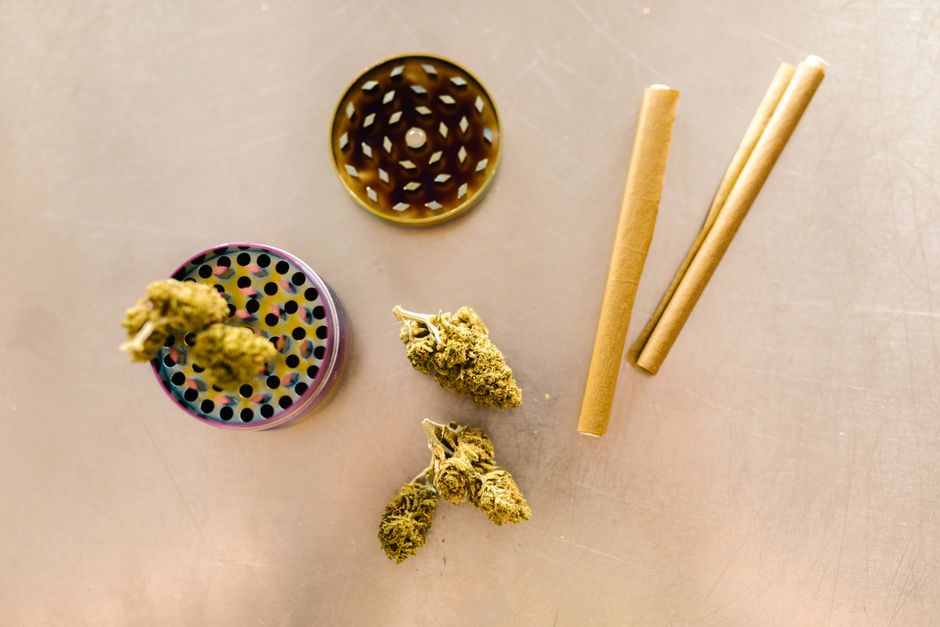
Hemp hurd is the woody inner core of the hemp stalk, left over after the strong outer fibers are removed. It is a highly absorbent, lightweight material used in construction, animal bedding, gardening, and even paper products. Unlike the long, strong bast fibers used for textiles, hurd is short, soft, and spongy, which makes it ideal for very different applications.
What Is Hemp Hurd And What Is It Used For? Essential Guide
Hemp hurd comes from the industrial hemp plant, a variety of Cannabis sativa grown specifically for its stalk, seeds, and oil. The stalk has two main parts: the outer bark (bast fiber) and the inner core (hurd). The hurd makes up a large portion of the plant’s total weight, often between 60 and 75 percent of the stalk.
After the bast fibers are stripped away for rope, textiles, or composites, the remaining hurd is cleaned, chopped, and processed. The result is a coarse, absorbent material that looks somewhat like wood shavings. Because it is highly porous, it soaks up moisture quickly and releases it slowly. This single property drives most of its uses.
Hemp hurd is not a new invention. It has been used for centuries in building materials. Modern interest has grown recently because it offers an eco-friendly alternative to wood, plastic, and synthetic materials in several industries.
How Is Hemp Hurd Used in Construction?
The most talked-about use for hemp hurd is in a building material called hempcrete. Hempcrete is made by mixing hemp hurd with a lime-based binder and water. The mixture is poured into forms or sprayed onto walls, then allowed to cure and harden.
Hempcrete is not a structural material. You cannot use it to hold up a roof or support a floor. Instead, it is used as insulation and as a wall infill inside a wooden or steel frame. Once cured, hempcrete is lightweight, fire-resistant, and resistant to pests and mold.
Research has shown that hempcrete walls help regulate indoor humidity. The porous hurd absorbs moisture from the air when humidity is high and releases it when the air is dry. This natural moisture buffering can improve indoor comfort and air quality.
Hempcrete also has a low carbon footprint. The hemp plants absorb carbon dioxide as they grow, and the lime binder continues to absorb CO2 as it cures. Some studies suggest that hempcrete walls may be carbon-negative over their lifetime, meaning they store more carbon than was emitted to produce them.
One important limitation: hempcrete requires time to dry and cure. Full curing can take weeks or even months depending on wall thickness and climate. This slows down construction compared to conventional methods.
Why Is Hemp Hurd Used for Animal Bedding?
Hemp hurd is highly absorbent, which makes it an excellent bedding material for horses, chickens, rabbits, and other livestock. It can absorb several times its own weight in moisture. That keeps stalls cleaner and reduces the frequency of bedding changes.
Compared to straw or wood shavings, hemp hurd has some clear advantages. It is dust-free or very low in dust, which matters for animals with respiratory sensitivities like horses. It also breaks down more slowly than straw, so it does not need to be replaced as often.
Used hemp bedding can be composted. It breaks down into nutrient-rich material that can be spread on gardens or fields. This gives the bedding a second life after its time in the stall.
Some horse owners report that hemp bedding is softer underfoot than shavings. This can reduce the risk of leg injuries when animals lie down and get up. However, personal preference plays a large role, and some animals or owners prefer traditional materials.



Can Hemp Hurd Be Used in Gardening and Soil?
Yes. Hemp hurd works well as a soil amendment and as a mulch. When mixed into soil, it improves aeration and water retention. The porous structure creates air pockets that help roots breathe while holding moisture for dry periods.
As a mulch, a layer of hemp hurd on top of soil helps suppress weeds and slow evaporation. It breaks down slowly, so it does not need to be replaced frequently. Over time, it decomposes and adds organic matter to the soil.
One caution: as hemp hurd decomposes, it can temporarily tie up nitrogen in the soil. Microbes use nitrogen to break down the woody material. If you mix large amounts of raw hurd directly into garden soil, add a nitrogen-rich fertilizer or compost at the same time to prevent nitrogen deficiency in your plants.
Hemp hurd is also used as a growing medium in some hydroponic systems. It provides structure for plant roots and holds moisture well. However, it is less common than established media like coconut coir or perlite, and research on its long-term performance is still limited.
What Other Products Are Made from Hemp Hurd?
Hemp hurd appears in several everyday products you might not expect.
Paper and packaging: Hemp hurd has a high cellulose content, which makes it suitable for paper production. Hemp paper is durable and can be recycled more times than wood-pulp paper. The hurd is also used to make molded packaging materials and cardboard.
Biocomposites: Hemp hurd can be mixed with plastics or resins to create lightweight composite materials. These composites are used in automotive interior panels, furniture, and consumer goods. They reduce the amount of plastic needed and add strength.
Cat litter: Because of its absorbency and odor control, hemp hurd is a popular natural cat litter. It clumps less effectively than clay litters, but it is biodegradable and flushable in some cases.
Absorbent products: Industrial spill cleanup kits sometimes use hemp hurd to soak up oils and chemicals. It can absorb many times its weight in liquid, making it useful in workshops and industrial settings.
Is Hemp Hurd the Same as CBD or Hemp Oil?
No. This is a common point of confusion. Hemp hurd is the woody stalk material. It contains essentially no CBD or other cannabinoids. Cannabinoids are concentrated in the flowers and leaves of the plant, not the stalk.
Hemp oil, sometimes called hemp seed oil, is pressed from the seeds. It is a food product rich in healthy fats and contains no CBD. CBD oil is extracted from the flowers and leaves and is a completely different product.
If you are buying hemp hurd for construction, bedding, or gardening, you are getting a structural plant material. It has no intoxicating or therapeutic properties. It is simply a versatile, natural fiber product.
Are There Any Downsides to Hemp Hurd?
Hemp hurd has limitations that are worth knowing before you choose it for a project.
Supply can be inconsistent. Industrial hemp farming is still developing in many regions, and hurd supply depends on the demand for bast fibers. If textile mills are not processing hemp stalks, the hurd may not be available in your area.
Cost is another factor. Hemp hurd can be more expensive than conventional alternatives like wood shavings or fiberglass insulation. As production scales up, prices may come down, but they are not always competitive today.
For construction, hempcrete requires skilled installers. It is not a standard building material, and many contractors have no experience working with it. This can increase labor costs and complicate building inspections.
For animal bedding, some users find that hemp hurd breaks down into a fine dust over time, especially in high-traffic areas. While it starts out low-dust, heavy use can change that. Regular cleaning and ventilation are still necessary.
Frequently Asked Questions
Is hemp hurd the same as hemp fiber?
No. Hemp fiber refers to the long, strong bast fibers from the outer stalk, used for textiles and rope. Hemp hurd is the short, woody inner core with completely different properties.
Can hemp hurd be composted?
Yes. Hemp hurd breaks down naturally and can be composted, including used animal bedding. Mix it with nitrogen-rich materials to speed up decomposition.
Is hemp hurd safe for pets and animals?
Yes, hemp hurd is generally safe for animal bedding and cat litter. It is low in dust and contains no added chemicals, though individual animals may have preferences or sensitivities.
Does hemp hurd contain CBD?
No. Hemp hurd comes from the stalk and contains negligible amounts of CBD or other cannabinoids. CBD is found in the flowers and leaves of the plant.
