
Essential oils do not last forever. Most last between one and three years after the bottle is opened, but that timeline shifts depending on the oil, how you store it, and whether the bottle is sealed. An unopened bottle of citrus oil may stay potent for about two years, while an opened bottle of sandalwood can remain effective for six to eight years. The shelf life is not a fixed number — it is a range based on the oil’s chemistry and your storage habits.
What Determines How Long an Essential Oil Lasts?
The chemistry of each oil sets the baseline. Oils break down when exposed to oxygen, heat, and light. Oxidation is the main culprit. When oxygen touches the oil, it reacts with the chemical compounds and slowly changes the oil’s structure. The oil does not become dangerous in most cases, but it does lose its therapeutic qualities and its scent changes.
Monoterpenes are the most fragile compounds. These are the molecules that give citrus oils their bright, fresh smell. They oxidize quickly. Sesquiterpenes and other heavier molecules are more stable. This is why vetiver and patchouli can last a decade while lemon and sweet orange fade in half that time.
Storage conditions matter more than most people realize. Heat accelerates every chemical reaction, including oxidation. Light does the same. A bottle sitting on a sunny kitchen windowsill will degrade noticeably faster than one stored in a dark cabinet. The cap also matters — every time you open the bottle, fresh oxygen enters and the clock resets a little.
How Long Do Essential Oils Last: Shelf Life by Oil Type
Different oils have different lifespans. Here is a practical breakdown of what you can expect from common oils.
| Oil Type | Unopened Shelf Life | Opened Shelf Life |
|---|---|---|
| Citrus (lemon, orange, grapefruit) | 1–2 years | 6–12 months |
| Floral (lavender, rose, chamomile) | 2–4 years | 1–3 years |
| Herbaceous (peppermint, rosemary, eucalyptus) | 2–3 years | 1–2 years |
| Woody (cedarwood, sandalwood, patchouli) | 4–8 years | 3–6 years |
| Resin (frankincense, myrrh) | 4–6 years | 3–5 years |
| Spice (cinnamon, clove, ginger) | 2–3 years | 1–2 years |
These ranges reflect general industry standards and common clinical observation. Individual oils within the same category can vary. A high-quality lavender oil from a reputable distiller may last longer than a cheap one processed poorly. The starting quality of the plant material and the distillation method both influence how long the final oil holds up.
Carrier oils are a separate category. They are not essential oils. They are pressed from seeds, nuts, or fruits and they go rancid much faster. Most carrier oils last six months to two years. Some, like jojoba, can last several years because they are technically a liquid wax. If you are blending essential oils into a carrier, the blend’s shelf life is limited by the carrier oil, not the essential oil.
Does an Expiration Date on the Bottle Mean Anything?
Most brands print a “best by” or expiration date on the bottle. This date is an estimate, not a hard cutoff. The manufacturer bases it on typical storage conditions and the oil’s known stability profile. An oil stored properly may still be fine months past that date. An oil stored poorly may be noticeably degraded before it.
The date on the bottle assumes the bottle stays sealed until that point. Once you open it, the timeline changes. Oxygen enters, oxidation begins, and the date on the label no longer reflects reality. Some brands print a “period after opening” symbol — a small jar icon with a number like 12M — which tells you how long the oil is expected to stay good after first use. If your bottle has this symbol, follow that number rather than the printed expiration date.
No regulatory body requires essential oil companies to print expiration dates. It is voluntary. Some smaller producers skip it entirely. That does not mean the oil lasts forever. It means you have to rely on your own judgment and the oil’s appearance and smell.




How to Tell If an Essential Oil Has Gone Bad
Your senses are the most reliable test. The scent is the first thing to change. A fresh oil smells vibrant and distinct. An oxidized oil smells flat, dull, or noticeably different. Citrus oils often smell like turpentine or varnish as they degrade. Some oils develop a sour or musty note.
The appearance can also change. Most essential oils are clear or slightly yellow. Over time, oxidation can darken the oil. A light yellow oil turning brown or amber is a warning sign. Cloudiness or sediment in the bottle is another indicator, though some oils naturally contain plant waxes that settle over time. If the oil looks different from when you bought it, treat that as a sign of degradation.
Skin sensitivity is the real concern with old oils. Oxidized oils contain compounds that can irritate skin or cause allergic reactions. This is especially true for citrus oils. The oxidation products, not the fresh oil itself, are what trigger contact dermatitis in many people. This is why dermatologists and aromatherapists both warn against using old citrus oils on the skin.
Do not rely on the oil’s color alone. Some oils darken naturally with age without losing their properties. The combination of smell, color, and texture gives you the full picture. If the oil smells wrong, do not use it on your skin. If it smells fine but looks darker, you can still use it in a diffuser, though it may not smell as strong as it once did.
Does an Essential Oil Expire If You Never Open It?
Unopened bottles last longer, but they still expire. The seal reduces oxygen exposure but does not eliminate it. Over several years, even a sealed bottle will slowly oxidize. The rubber or plastic seal itself can also degrade and contaminate the oil, especially if the bottle is stored in a warm place.
The practical difference between opened and unopened is meaningful. An unopened bottle of citrus oil stored in a cool, dark place can reasonably last two years. The same bottle, opened and used regularly, may only last six to twelve months because every use introduces fresh oxygen. For the more stable oils like sandalwood or vetiver, an unopened bottle can last a decade or more.
If you have a collection of oils you rarely use, keep them sealed until you need them. Buying large bottles of citrus oils that you only use occasionally is a waste of money — you will throw half of it away. Buy citrus oils in small quantities and use them within a year of opening.
Does Refrigerating Essential Oils Extend Their Life?
Refrigeration slows chemical reactions, including oxidation. Some people store their oils in the fridge to extend shelf life. This works, but it introduces new problems. Cold temperatures can make some oils thick or cloudy. When you take a cold bottle out and open it, condensation forms inside, and water in an essential oil promotes microbial growth and speeds up degradation.
If you refrigerate oils, let them warm to room temperature before opening the bottle. This prevents condensation. The temperature swing between cold storage and room air is where the damage happens. A stable cool temperature — like a basement cupboard or a dark pantry — is usually sufficient for most oils. You do not need refrigeration for typical home use.
Extreme cold, like a freezer, is worse. It can cause separation in some oils and permanently alter their texture. Freezing is not recommended for essential oils.
Can You Make Essential Oils Last Longer?
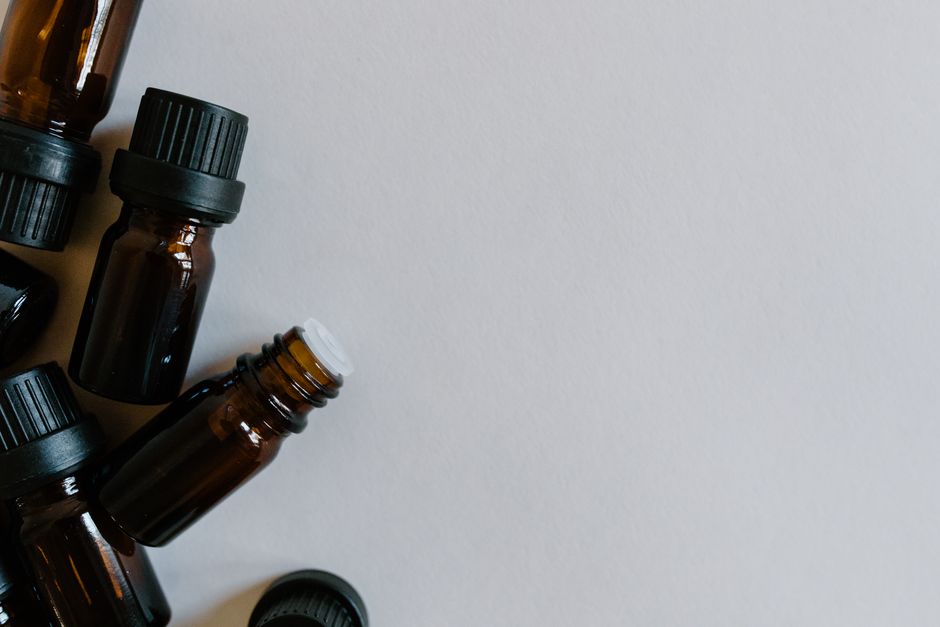
Storage habits are the only thing you control. Keep bottles tightly sealed when not in use. Store them upright in a cool, dark place away from windows, stoves, and radiators. Choose amber or cobalt glass bottles — they block more light than clear glass. If your oil came in a clear bottle, transfer it to a dark one or keep it inside a box.
Buy smaller bottles. A 5 mL bottle of lemon oil that you use within six months is better than a 30 mL bottle that sits open for two years. The larger bottle is cheaper per milliliter, but you lose the savings when you throw out half of it.
Do not add anything to the oil to preserve it. Vitamin E oil is sometimes added to carrier oils to slow rancidity, but it does not meaningfully preserve essential oils and it changes the oil’s composition. There is no established evidence that any additive extends essential oil shelf life in a way that benefits the user.
Frequently Asked Questions
Do essential oils go bad?
Yes, all essential oils degrade over time through oxidation. Most last one to three years after opening, but stable oils like sandalwood can last much longer.
How can I tell if my essential oil is expired?
Smell is the best test — an expired oil smells flat, sour, or like turpentine instead of its fresh scent. Darkening color or cloudiness can also signal degradation.
Can I use expired essential oils in a diffuser?
Yes, but the scent will be weaker and less pleasant. Do not use expired oils on your skin, since oxidized compounds are more likely to cause irritation.
Do essential oils last longer in the refrigerator?
Refrigeration can slow oxidation, but condensation from temperature changes can introduce water and cause faster degradation. A cool, dark cupboard is sufficient for most oils.
