
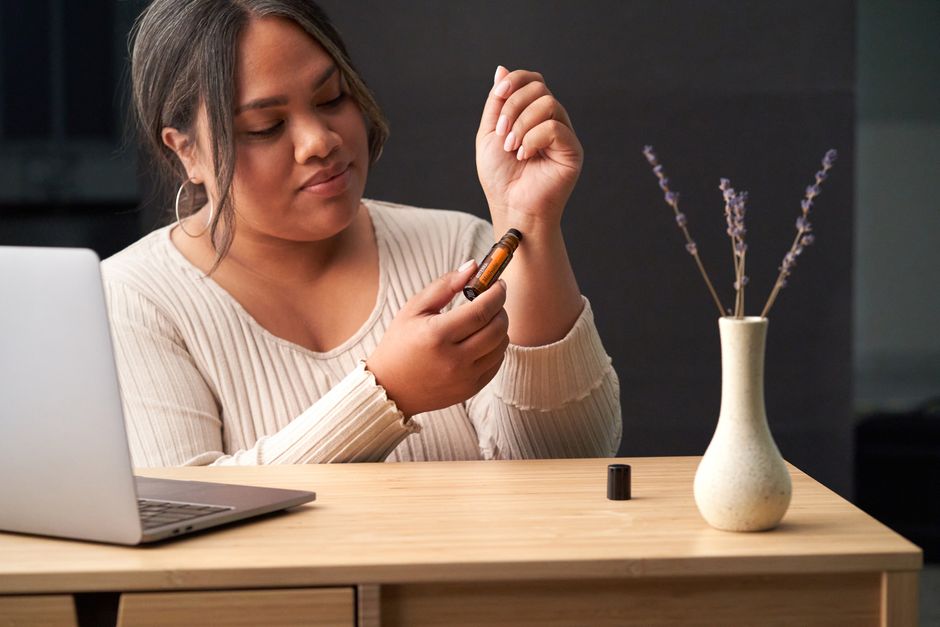
Raven essential oil is a proprietary blend of camphor, peppermint, eucalyptus, and other oils, designed to support clear breathing and respiratory comfort. It is most commonly used by diluting it with a carrier oil and applying it to the chest, or by adding a few drops to a diffuser. People turn to this blend during cold season or when they feel congested, though it is not a treatment for any medical condition.
What Is In a Raven Essential Oil Blend?
Raven is a brand-specific blend, not a single plant oil. The most common version, made by Young Living, combines camphor, peppermint, eucalyptus, lemon, and laurel leaf oils. These are all aromatic plants with a long history of use for respiratory complaints.
The combination is designed to create a cooling, sharp sensation that makes breathing feel easier. Peppermint and eucalyptus contain menthol and eucalyptol, compounds that trigger cold receptors in the nose and throat. That sensation is real, but it does not mean the oil is clearing your airways in a medical sense.
Different brands may sell a blend under the same name with different ingredients. Always check the label before using any product, especially if you have allergies or sensitivities to specific plants.
What Is Raven Essential Oil Used For How To Use It?
Raven is used for temporary relief of nasal congestion, chest tightness, and the general discomfort that comes with a cold or mild respiratory irritation. It is not a medicine. It does not kill viruses, shorten an illness, or treat asthma, bronchitis, or pneumonia.
The most common ways to use it are:
- Topical application: Mix 2-3 drops with a carrier oil like coconut, jojoba, or olive oil. Rub the mixture on the chest, upper back, or soles of the feet.
- Aromatic diffusion: Add 3-5 drops to an essential oil diffuser and let it run for 30-60 minutes in the room where you are resting.
- Steam inhalation: Add 1-2 drops to a bowl of hot water. Drape a towel over your head and breathe the steam slowly. Keep your eyes closed. Stop if it burns or irritates.
Do not ingest raven oil. Do not put it in your mouth, nose, or ears. Do not apply it to broken or irritated skin.
Does Raven Essential Oil Actually Help With Breathing?
The cooling sensation from menthol and eucalyptol can make nasal passages feel more open. This is a sensory effect, not a physical opening of the airways. Some research suggests that inhaling these compounds may temporarily reduce the urge to cough, but the evidence is limited and mixed.
For mild congestion, the effect can be genuinely comforting. Many people report that breathing feels easier after using a blend like this. That subjective relief is valid. What is not valid is the claim that these oils treat respiratory infections or improve lung function in any measurable way.
If you have asthma, chronic obstructive pulmonary disease, or any chronic lung condition, do not rely on essential oils. Strong aromas can actually trigger coughing or bronchospasm in some people with sensitive airways. Talk to your doctor before using any aromatic product if you have a diagnosed respiratory condition.




Is Raven Essential Oil Safe for Children?
Essential oils carry real risks for infants and young children. Menthol and camphor, both present in raven blends, can cause serious breathing problems in babies. Camphor is particularly concerning. Ingesting camphor can cause seizures, and even topical application on a young child’s chest can lead to breathing distress.
Do not use raven or similar menthol-containing blends on children under 6 years old. This is not a cautious suggestion. It is a firm safety boundary based on documented cases of harm. For older children, use only with a pediatrician’s guidance, and always dilute more heavily than you would for an adult.
If a child accidentally swallows any essential oil, call poison control immediately. The national poison control number in the US is 1-800-222-1222.
What Are the Risks and Side Effects?
Essential oils are concentrated plant chemicals. They can irritate skin, eyes, and mucous membranes. Common side effects of raven blend include skin redness, a burning sensation, and eye irritation if you touch your face after applying it.
People with allergies to any of the component plants should avoid the blend entirely. Lemon and peppermint oils can also make skin more sensitive to sunlight, so wash your hands after application and avoid sun exposure on treated skin.
Pets are also at risk. Cats lack the liver enzymes needed to process many essential oil compounds, and eucalyptus and peppermint are considered toxic to cats. Dogs are somewhat more tolerant but can still develop respiratory irritation from diffused oils. If you diffuse raven oil at home, keep pets in a separate, well-ventilated room.
What the Research Actually Shows
Clinical evidence for essential oil blends is thin. Most studies focus on single compounds like menthol or eucalyptol, not on proprietary mixtures. Some research suggests that eucalyptol may help reduce inflammation in the airways, and menthol has a documented cooling effect on sensory nerves. But no large, well-controlled human trials have tested raven blend specifically.
The marketing language around respiratory blends often overstates what the science supports. Phrases like “supports respiratory health” sound modest, but they imply a benefit that has not been demonstrated in clinical studies. Use the product for comfort if you like the way it feels. Do not use it as a substitute for medical care.
If you have a cough that lasts more than three weeks, a fever, shortness of breath, or chest pain, see a doctor. Those symptoms can indicate a condition that needs real treatment, not aromatherapy.
How Does Raven Compare to Other Respiratory Blends?
Raven is similar in purpose to blends like RC, Breathe, and Respiratory Relief. Most of these products contain overlapping ingredients, primarily eucalyptus, peppermint, and camphor or a camphor substitute. The differences between brands are mostly about ratio and proprietary sourcing, not fundamentally different effects.
There is no evidence that any one brand of respiratory blend works better than another. The active compounds are the same. Price differences reflect marketing and sourcing claims, not demonstrated clinical superiority. If you want the sensory benefit, a single oil like eucalyptus or peppermint, used safely, will provide a comparable experience at a lower cost.
Practical Tips for First-Time Users
Start with a patch test. Apply a small amount of diluted oil to the inside of your forearm and wait 24 hours to check for a reaction. If your skin turns red, itches, or burns, do not use the product.
Always dilute. Essential oils are potent, and applying them undiluted to the skin increases the risk of irritation and sensitization. A 2-3% dilution, which means about 3 drops per tablespoon of carrier oil, is a reasonable starting point for most adults.
Store the bottle out of reach of children, ideally in a locked cabinet. Essential oils are frequently involved in accidental pediatric poisonings. The attractive smell and small bottle make them a hazard.
If you are pregnant, breastfeeding, or managing a chronic health condition, check with your healthcare provider before using any essential oil. The evidence on essential oil safety during pregnancy is very limited, and no clinical guidelines currently exist for this population.
Frequently Asked Questions
Can you put raven essential oil on your feet?
Yes, the soles of the feet are a common application site because the skin there is thicker and less reactive. Dilute it with a carrier oil first, and wash your hands thoroughly after applying.
How many drops of raven oil should I use in a diffuser?
Start with 3-5 drops in a standard diffuser filled with water. Run it for 30-60 minutes and stop if you notice any coughing, headache, or eye irritation.
Can raven essential oil be used while pregnant?
No clinical guidelines exist for essential oil use during pregnancy. Many healthcare providers advise caution with camphor and peppermint in the first trimester, so check with your obstetrician before using this blend.
Does raven essential oil help with a cough?
The menthol in the blend can temporarily reduce the urge to cough by creating a cooling sensation in the throat. It does not treat the underlying cause of the cough, and a persistent cough warrants medical evaluation.
