
Chia seeds are tiny black or white seeds from the Salvia hispanica plant, and they have become one of the most popular “superfoods” in the United States. The main health benefits people ask about are fiber, omega-3 fats, protein, and minerals like calcium and magnesium. The evidence for those nutrients is solid. The evidence for dramatic health outcomes — weight loss, disease prevention, blood sugar control — is much weaker than most marketing suggests. Here is what chia seeds actually do, and where the claims outrun the science.
What Is the Nutritional Profile of Chia Seeds?
Chia seeds are genuinely nutrient-dense. A one-ounce serving (about 28 grams, or roughly two tablespoons) contains approximately 138 calories, 5 grams of protein, 10 grams of fiber, 9 grams of fat, and 5 grams of omega-3 fatty acids.
That fiber number matters. Ten grams in two tablespoons is one of the highest fiber concentrations of any commonly eaten food. For context, the average American adult gets about 15 grams of total fiber per day, well below the 25 to 38 grams recommended in federal dietary guidelines.
The omega-3 content is mostly alpha-linolenic acid (ALA), a plant-based omega-3. This is not the same as the EPA and DHA found in fatty fish. The human body converts ALA to EPA and DHA, but the conversion rate is low — commonly cited at under 10 percent, and often much less for DHA. Chia is a decent source of ALA. It is not a substitute for fish or algae oil if your goal is raising EPA and DHA levels.
Chia also provides meaningful amounts of calcium, magnesium, phosphorus, and iron. The seeds are gluten-free, which matters for people with celiac disease or gluten sensitivity.
How Does Chia Fiber Affect Digestion and Blood Sugar?
Chia’s soluble fiber absorbs water and forms a gel. This slows the movement of food through the digestive tract and can soften stool. That is the mechanism behind chia’s traditional use for constipation.
The gel also slows the absorption of glucose from a meal. Some small studies have found that eating chia with a carbohydrate-containing meal produces a smaller rise in blood sugar compared to the same meal without chia. The effect is modest and short-term. It does not replace diabetes medication or a diabetes management plan.
One practical caution: chia absorbs many times its weight in water. Eating a large amount of dry chia without enough liquid can cause esophageal blockage, and there are documented case reports of this happening. Always eat chia that has been soaked, mixed into a liquid, or consumed with plenty of fluids. This is rare, but it is real.
For people with irritable bowel syndrome or a sensitive gut, the sudden addition of 10 grams of fiber can cause bloating and gas. Starting with a smaller amount and increasing gradually is the standard approach clinicians suggest.
Do Chia Seeds Help With Weight Loss?
The evidence here is weak. Chia seeds are often marketed as an appetite suppressant because the fiber and gel may promote a feeling of fullness. Some short-term studies have shown reduced appetite after a chia-containing meal. But studies measuring actual weight loss over weeks or months have generally not found a meaningful difference between chia groups and control groups.
One often-cited trial in overweight adults with type 2 diabetes found that chia supplementation reduced body weight and waist circumference. That was a single small study, and the results have not been consistently replicated in larger trials. The honest position is that chia seeds may help you feel full, but no strong evidence shows they cause weight loss on their own.
This matters because chia is often sold as a weight-loss product. If you add two tablespoons of chia to your day without changing anything else, you are adding about 138 calories. Feeling full is not the same as losing weight.
What Does the Research Say About Chia and Heart Health?
Chia’s ALA content has been studied for effects on cholesterol and cardiovascular risk. The results are mixed.
ALA from plant sources has been associated with modest cardiovascular benefit in some large observational studies. Whether chia specifically lowers LDL cholesterol or reduces heart attack risk has not been established in large randomized controlled trials. Some smaller trials have shown reductions in triglycerides or improvements in HDL, but findings vary and study sizes are small.
What is well established: replacing saturated fat with unsaturated fat improves cholesterol profiles. Chia is a source of unsaturated fat, so it fits into a heart-healthy eating pattern. That is different from saying chia itself prevents heart disease. No clinical trial has shown that.
Is Chia a Good Source of Protein and Minerals?
Chia provides about 5 grams of protein per ounce. That is decent for a seed but modest compared to other protein sources. An egg has about 6 grams. A cup of cooked lentils has about 18 grams.
Chia contains all nine essential amino acids, which makes it a complete protein. The amounts are low, so chia alone will not meet your protein needs. It contributes to them.
The mineral content is more impressive. Two tablespoons of chia provide a significant portion of daily calcium and magnesium needs, along with phosphorus and iron. For people who do not eat dairy, chia can be a useful supplemental source of calcium.
One caveat: chia also contains phytates, compounds that bind minerals and reduce their absorption. The practical impact is small in a varied diet but worth knowing if you rely on chia as a primary mineral source.
How Should You Eat Chia Seeds?
Chia can be eaten raw, soaked, or ground. The seeds do not need to be ground for the nutrients to be absorbed, unlike flaxseeds. Whole chia seeds are digestible, though grinding may improve absorption of some nutrients.
Common ways people use chia:
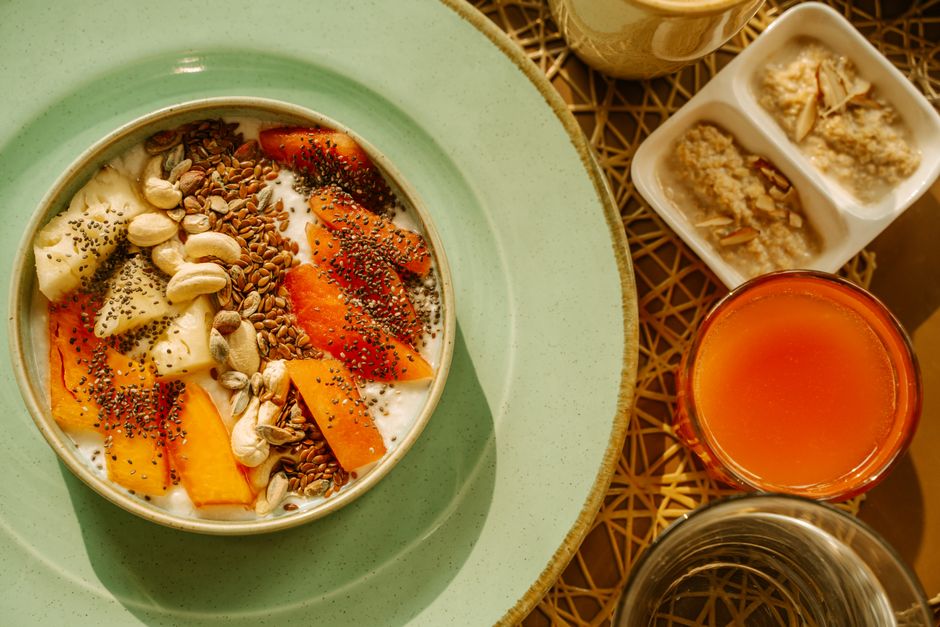
- Mixed into yogurt, oatmeal, or smoothies
- Soaked in liquid to make chia pudding
- Used as an egg substitute in baking (1 tablespoon chia plus 3 tablespoons water replaces one egg)
- Sprinkled on salads or added to baked goods
There is no established clinical dose of chia for any health condition. The amounts used in research studies range widely, and no official guideline recommends a specific daily intake. Two tablespoons per day is a common serving and a reasonable place to start if you tolerate fiber well.
If you take blood thinners or have a bleeding disorder, talk to your doctor before adding large amounts of chia. Chia contains ALA, which may have mild antiplatelet effects at high intakes. The evidence for a clinically significant interaction is limited, but the theoretical concern exists.
Are There Risks or Downsides to Chia Seeds?
For most people, chia is safe when eaten in normal food amounts. The main risks are digestive and mechanical, not toxic.
As noted, eating dry chia without adequate liquid can cause choking or esophageal blockage. This is uncommon but documented. Soak chia or eat it with fluids.
Chia is a seed, and seed allergies exist. People with allergies to sesame, mustard, or other seeds may react to chia. If you have a history of seed allergy, introduce chia cautiously.
Because chia can lower blood pressure slightly in some people, it may add to the effect of blood pressure medications. This is not a common clinical problem, but it is worth mentioning to your doctor if you take those drugs.
Finally, chia is calorie-dense. It is easy to eat more than you intend, especially in sweetened chia puddings or granola mixes. The health benefits do not cancel out the extra calories.
Frequently Asked Questions
Are chia seeds actually good for you?
Yes, chia seeds are a legitimate source of fiber, ALA omega-3s, protein, and minerals. The nutrients are real, but the dramatic health claims — weight loss, disease prevention — are not supported by strong evidence.
How much chia should I eat per day?
No official guideline sets a daily chia dose. Two tablespoons, about one ounce, is a common serving and provides roughly 10 grams of fiber. Start smaller if your diet is currently low in fiber.
Can chia seeds help you lose weight?
Some short-term studies show chia may increase fullness, but trials measuring actual weight loss have not found a consistent effect. Chia is not a proven weight-loss aid.
Is it safe to eat chia seeds dry?
Eating large amounts of dry chia without enough liquid can cause choking or a blockage in the esophagus. Always soak chia or eat it with plenty of fluids.
