
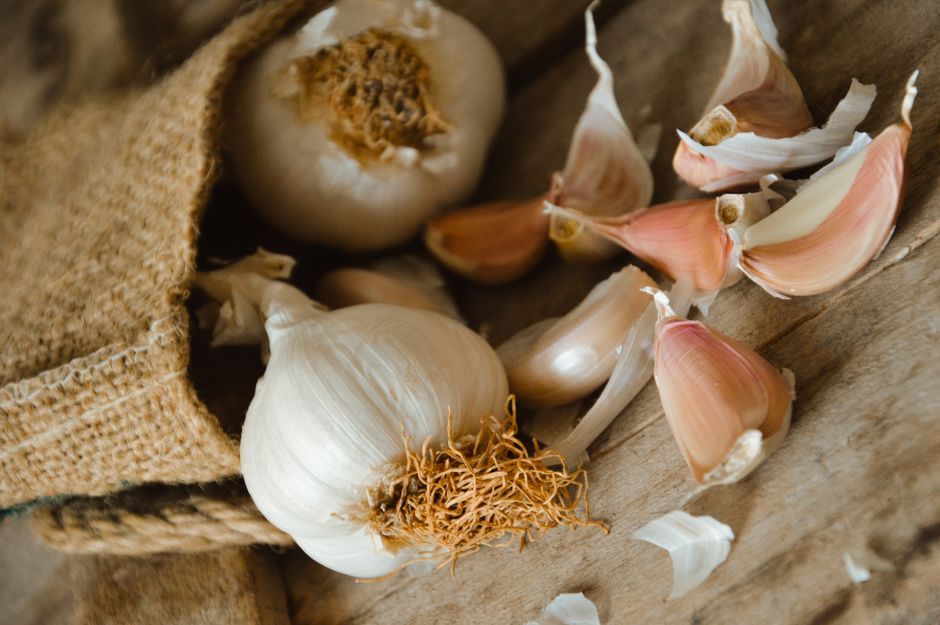
Roasted garlic is good for you, and in some ways it is even better than raw garlic. The roasting process softens garlic’s sharp bite and makes it sweeter, but it also changes its chemistry. You still get many of the same health benefits, though you lose some of the potent compounds found only in raw, crushed garlic. The key is knowing what survives the heat and what does not.
What Happens to Garlic When You Roast It
Raw garlic contains a compound called alliin and an enzyme called alliinase. When you crush, chop, or chew raw garlic, these two mix together. The enzyme converts alliin into allicin, which is the compound responsible for garlic’s strong smell and many of its health effects.
Heat destroys alliinase. When you roast garlic at 350°F or higher, that enzyme stops working. That means roasted garlic does not produce fresh allicin the way raw garlic does. The pungent, sharp flavor you associate with raw garlic disappears for this exact reason.
What remains is still valuable. Roasted garlic contains antioxidants, minerals, and other sulfur compounds that survive cooking. It is also easier to digest than raw garlic, which is why many people who get heartburn or stomach upset from raw garlic can eat roasted garlic without problems.
Is Roasted Garlic Good For You Benefits Explained
Roasted garlic offers real, measurable benefits. It is a concentrated source of manganese, vitamin B6, and vitamin C. A single clove is low in calories but adds flavor that can replace salt and butter in cooking, which matters for blood pressure and heart health.
The antioxidants in garlic, including roasted garlic, help neutralize free radicals in the body. Free radicals are unstable molecules that can damage cells over time. Research consistently shows that garlic consumption is linked to lower risk of certain chronic diseases, though most studies use raw or aged garlic extracts rather than roasted garlic specifically.
One benefit that survives roasting is cardiovascular support. Garlic has been shown in multiple studies to help lower blood pressure and improve cholesterol profiles. The effect is modest but real. Roasted garlic still contains the sulfur compounds responsible for these effects, just in different forms than raw garlic.
Another advantage of roasting is that it increases garlic’s antioxidant capacity in some ways. The Maillard reaction, which gives roasted garlic its brown color and sweet flavor, creates new antioxidant compounds that do not exist in raw garlic. This is a trade-off: you lose allicin but gain other protective compounds.
How Roasted Garlic Compares to Raw Garlic
Raw garlic has a clear edge in one area: allicin. If you want the maximum antimicrobial and cardiovascular effects from garlic, raw crushed garlic is the most potent form. The allicin content is highest immediately after crushing and declines rapidly with heat.
Roasted garlic has its own advantages. It is more palatable, which means people actually eat more of it. A tablespoon of roasted garlic spread on bread is easy to consume, while eating the equivalent amount of raw garlic is unpleasant for most people. Practicality matters when it comes to nutrition.
Here is a quick comparison:
- Allicin content: Raw garlic has high levels. Roasted garlic has almost none.
- Antioxidant variety: Raw garlic has certain antioxidants. Roasted garlic develops new ones through browning.
- Digestibility: Roasted garlic is gentler on the stomach and causes less heartburn.
- Flavor intensity: Raw garlic is sharp and spicy. Roasted garlic is sweet and mellow.
- Practical intake: Most people can eat far more roasted garlic than raw garlic.
For general health, both forms contribute. For specific medicinal uses, raw garlic has stronger evidence. If you are using garlic specifically for its antimicrobial properties, raw crushed garlic is the better choice. For everyday flavor and antioxidant intake, roasted garlic works well.




Does Roasted Garlic Keep Its Antibacterial Properties
Allicin is garlic’s main antibacterial compound, and roasting destroys it. However, garlic contains other sulfur compounds that also have antimicrobial activity, and some of these survive cooking. The evidence here is mixed, and the research on roasted garlic specifically is limited.
Some studies suggest that cooked garlic still inhibits bacterial growth, though less effectively than raw garlic. The practical takeaway is simple: do not rely on roasted garlic as a treatment for infections. It is a healthy food, not a medicine. If you want garlic’s antibacterial effects, raw crushed garlic has the strongest evidence behind it.
No clinical guidelines recommend garlic of any form for treating bacterial infections. If you have an active infection, standard medical treatment is the appropriate path. Garlic can be part of a healthy diet, but it should not replace prescribed antibiotics or other medical care.
How to Roast Garlic Properly
Roasting garlic is simple and requires minimal effort. The most common method is to cut the top off a whole head of garlic, exposing the cloves. Drizzle with olive oil, wrap in foil, and bake at 400°F for about 40 minutes. The cloves become soft, golden, and spreadable.
You can also roast individual peeled cloves in a pan with olive oil. This takes less time, roughly 20 to 30 minutes, and gives you more control over the browning. The darker the garlic gets, the sweeter and more caramelized it becomes. Watch it carefully, because burnt garlic turns bitter.
Roasted garlic keeps well in the refrigerator for about a week when stored in oil in an airtight container. You can also freeze it for several months. The flavor mellows further with storage, but the nutritional value remains stable.
One caution: if you store roasted garlic in oil, keep it refrigerated and use it within a week. Garlic in oil at room temperature creates conditions where botulism bacteria can grow. This is a real food safety concern, not a theoretical one. Refrigeration prevents this risk.
How Much Roasted Garlic Should You Eat
There is no official daily recommended intake for garlic. Studies on garlic’s health benefits typically use doses of one to two cloves per day, whether raw or cooked. That amount appears to be safe and beneficial for most people.
Eating more than that is unlikely to cause harm for healthy adults, though it can cause digestive discomfort. Some people experience heartburn, gas, or nausea from large amounts of garlic. Start with a small amount if you are not used to eating garlic regularly.
Garlic can interact with blood-thinning medications. If you take warfarin or other anticoagulants, talk to your doctor before significantly increasing your garlic intake. This is a genuine concern, not a theoretical risk. Garlic has natural anti-clotting properties that can amplify the effects of these medications.
Are There Any Downsides to Roasted Garlic
Roasted garlic is a low-risk food for most people. The main downsides are practical rather than dangerous. It is easy to overeat because it tastes so good, and it is often served with bread, butter, or oil, which adds calories and fat.
People with acid reflux may find that even roasted garlic triggers symptoms. This varies from person to person. If you have GERD or frequent heartburn, pay attention to how your body responds.
Garlic breath is another consideration. Roasted garlic has a milder odor than raw garlic, but it is still detectable. The sulfur compounds that give garlic its health benefits are the same ones responsible for the smell. There is no way to separate the two.
For people with garlic allergies, which are rare but real, roasted garlic can still cause reactions. If you have a known allergy to garlic, roasting does not eliminate the allergenic proteins.
Frequently Asked Questions
Is roasted garlic healthier than raw garlic?
Both forms are healthy, but they have different strengths. Raw garlic has more allicin, while roasted garlic has different antioxidants and is easier to digest.
Does roasting garlic destroy its health benefits?
Roasting destroys allicin, but many other beneficial compounds survive. You lose some benefits and gain others through the roasting process.
Can I eat roasted garlic every day?
Yes, one to two cloves per day is safe for most healthy adults. If you take blood thinners, check with your doctor first.
How long does roasted garlic last in the refrigerator?
Roasted garlic stored in oil in an airtight container lasts about one week refrigerated. Discard it if you see any signs of mold or off odors.
